Summary: The six things that kill a pod early, how to prime correctly, and how to tell a dead coil from a flooded one.
A pod that should last a week dying on day three is not a manufacturing defect most of the time. It is a priming problem, a liquid problem, or a power problem. All three are free to fix.
What a pod actually is
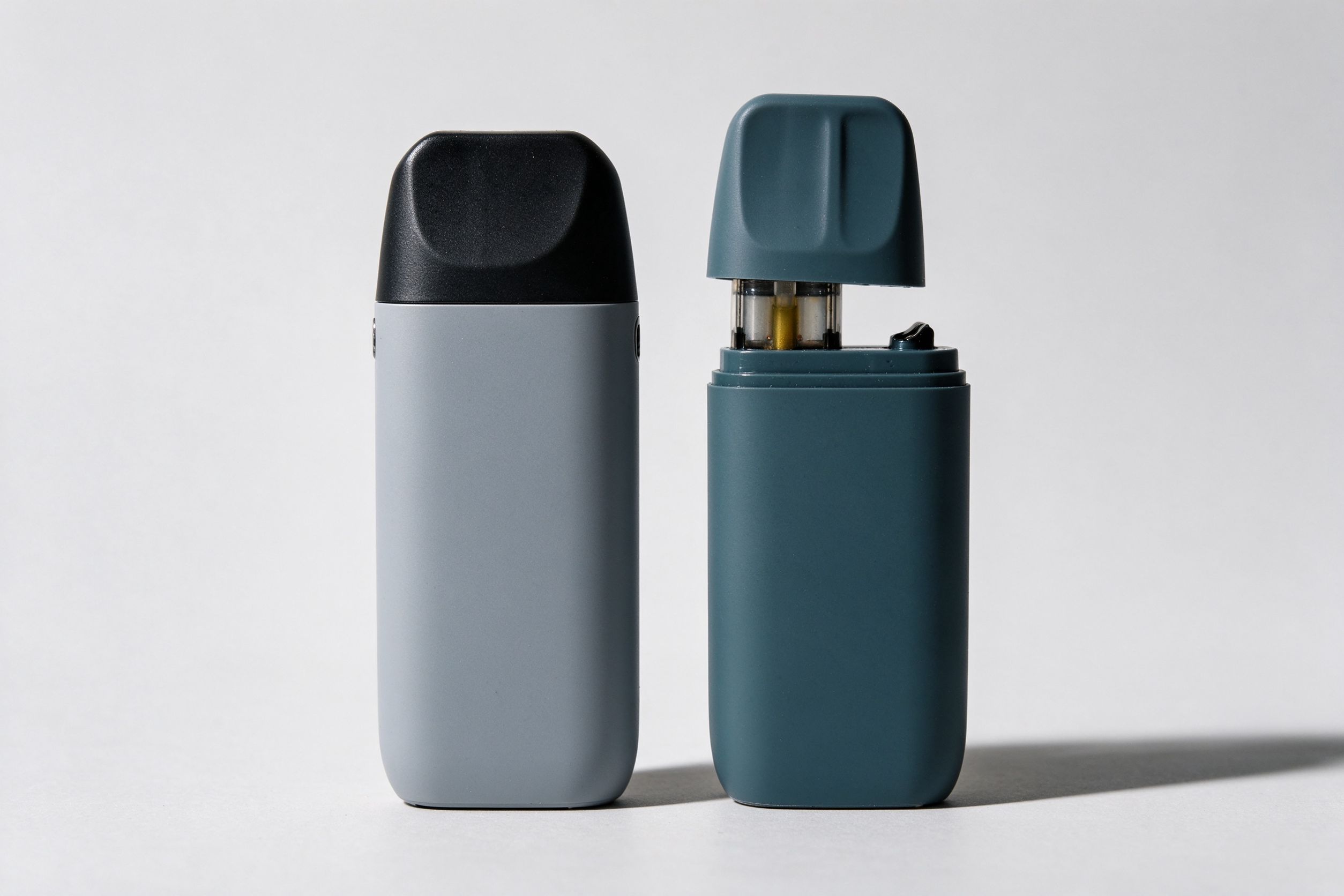
A pod is a small tank with a wicking material and a heating coil inside. Liquid feeds the wick, the coil heats it, and vapour leaves through the airflow. Everything that goes wrong is a failure of one of those three steps: the liquid does not reach the coil, the coil overheats, or the airflow is blocked.
Priming: the step that decides the lifespan
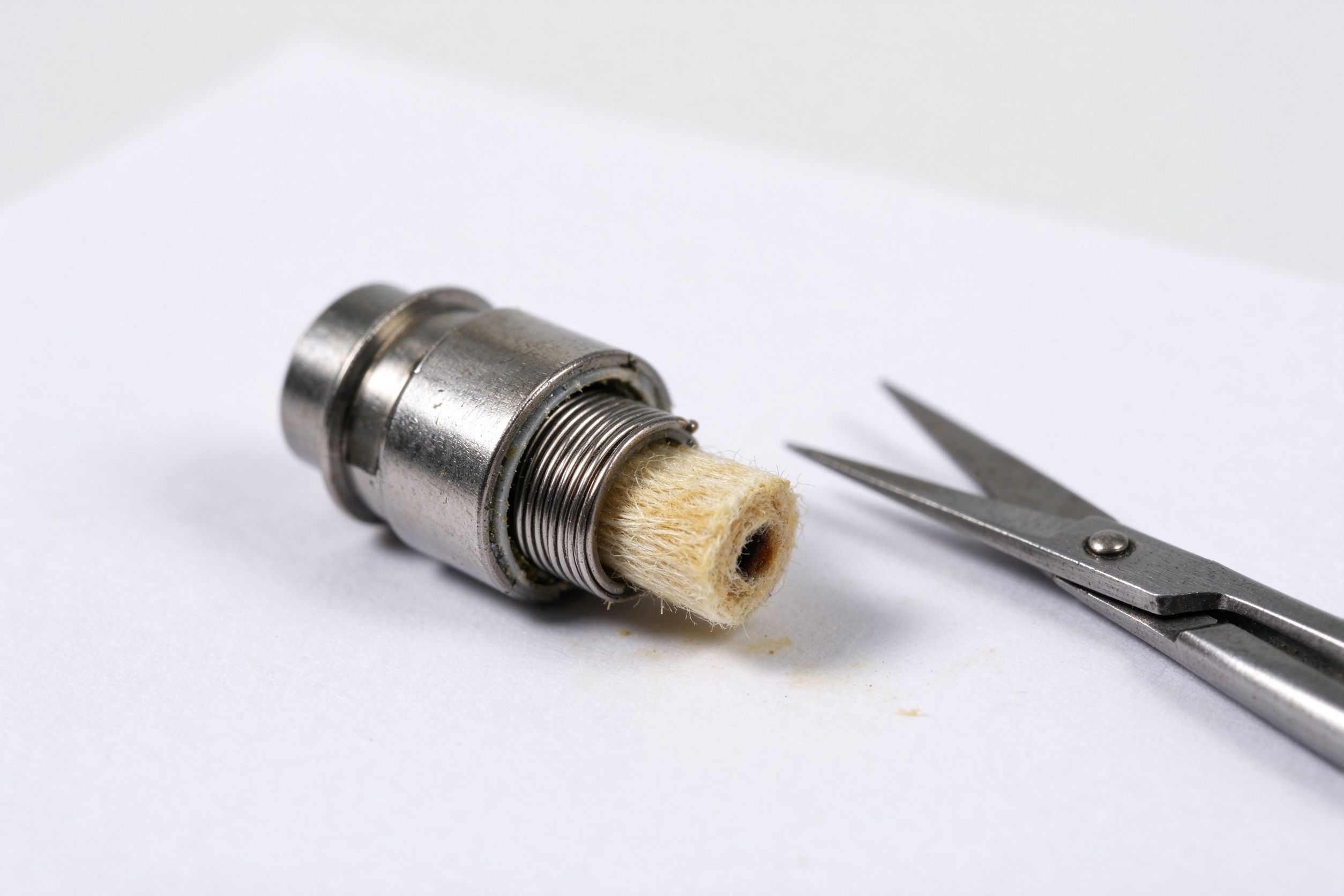
Priming is letting the wick soak before you fire. Skip it and the dry cotton burns, permanently. A burnt pod never recovers its flavour, no matter how long you wait — the cellulose is charred.
- New pod: fill, then wait 10 to 15 minutes before the first puff.
- Heavier VG liquid (70% or more): wait 20 minutes, and take two short dry pulls without firing to help it along.
- Fresh pod on a charged device: start at low power for the first few puffs.
Most leaks and dry hits in the first hour are priming errors, not design flaws.
Power settings that quietly kill coils
Every pod has a wattage range. Running above it vaporises faster than the wick can resupply, which is a dry hit on a technical level even when the tank is full. Running far below it floods the coil and liquid leaks out of the airflow. The fix is usually one setting change, not a replacement.
Liquid composition matters
Thick liquid (high VG) wicks slowly, which is fine in a tank with a large coil but hostile to a small pod. Very sweet liquids — the ones that taste like candy — contain more sugars that caramelise on the coil, shortening life dramatically. If a pod dies fast and the liquid is both thick and sweet, that is the reason.
Chain vaping and heat soak
Ten long draws back to back on a 350 mAh device will heat the pod past what its wick can keep up with. Two slower puffs with a gap between them produce more vapour and less burn. This is not about being precious with the device — it is the cheapest way to double pod life.
Tell the failures apart
- Burnt taste immediately: dry wick. Re-prime or replace.
- Burnt taste only at high power: too much wattage. Lower it.
- Gurgling and liquid in the mouth: flooded coil. Blow through the airflow, raise power slightly, do not top up while it is still soaked.
- Weak, tasteless vapour: coil is worn or the liquid is old. Replace the pod.
- Leak from the airflow with no gurgle: a seal has failed. Replace the pod, and check the fill port gasket.
Realistic replacement cadence
For a daily vaper, one pod per 5 to 7 days is normal at low power and sweet liquids. Two weeks is achievable with lighter, clearer liquid and moderate power. If you are changing pods every two days, something in the setup is wrong — and buying more pods will not fix it.
How many pods to keep on hand
Two is the right number: one in use, one spare. Buying ten locks you into a device and a flavour you have not fully tested, and pod stock for a given model can disappear when a manufacturer changes line-up. That is exactly why replacement availability should be part of the buying decision, not an afterthought.
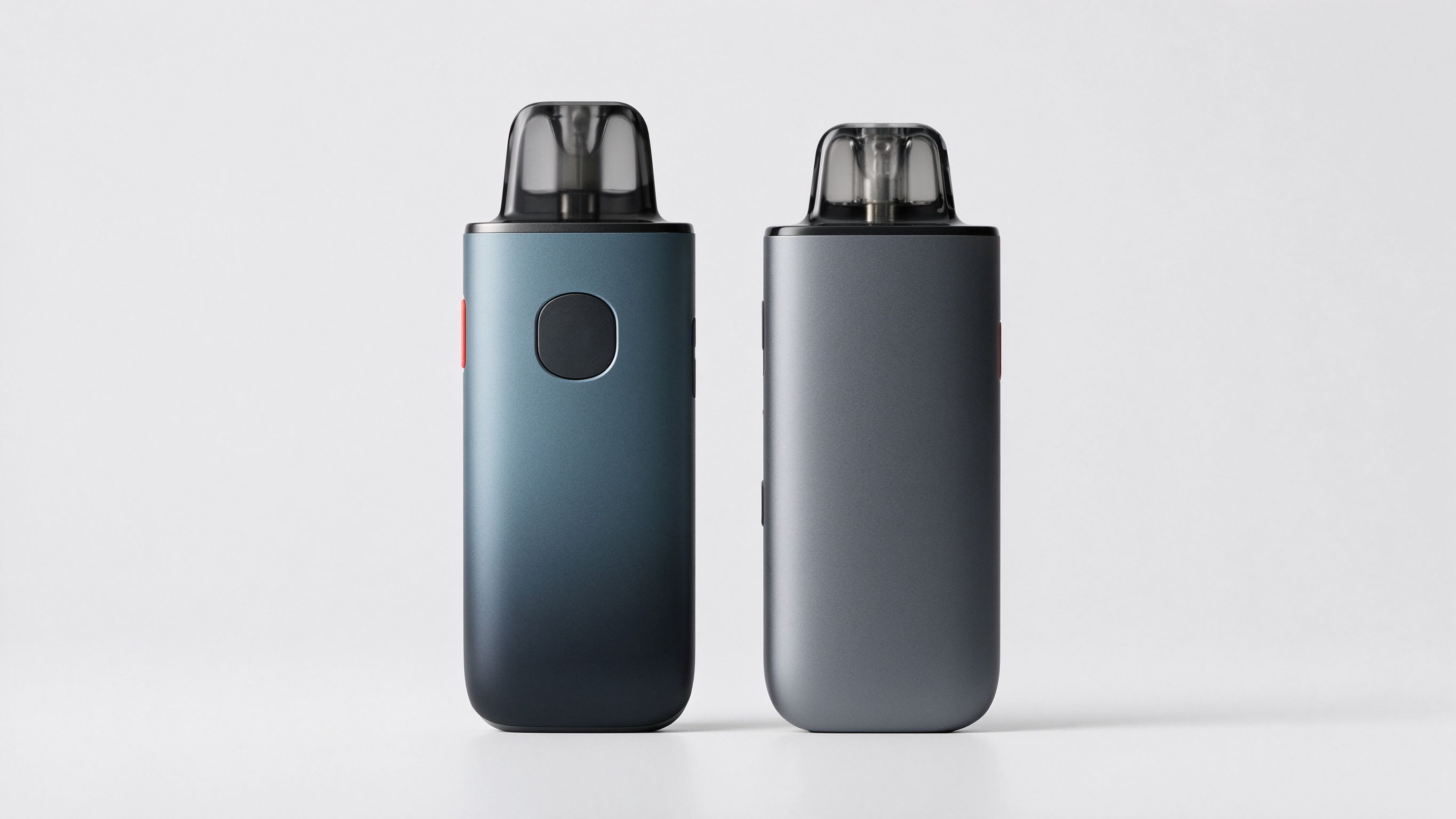
SmokVera keeps pod resistance and compatibility listed next to each device, so you can confirm replacement pods exist for the model before you buy the kit.
Find replacement pods at SmokVera
Bottom line
Coil life is mostly priming and power. Fifteen minutes of patience and one wattage adjustment will outperform any "long-life" pod on the shelf.
Choosing the right pod resistance in the first place matters too: see Pod Systems for a Pack-a-Day Smoker.
For adults 21+. Nicotine is an addictive chemical. Vaping is not an FDA-approved smoking cessation product.