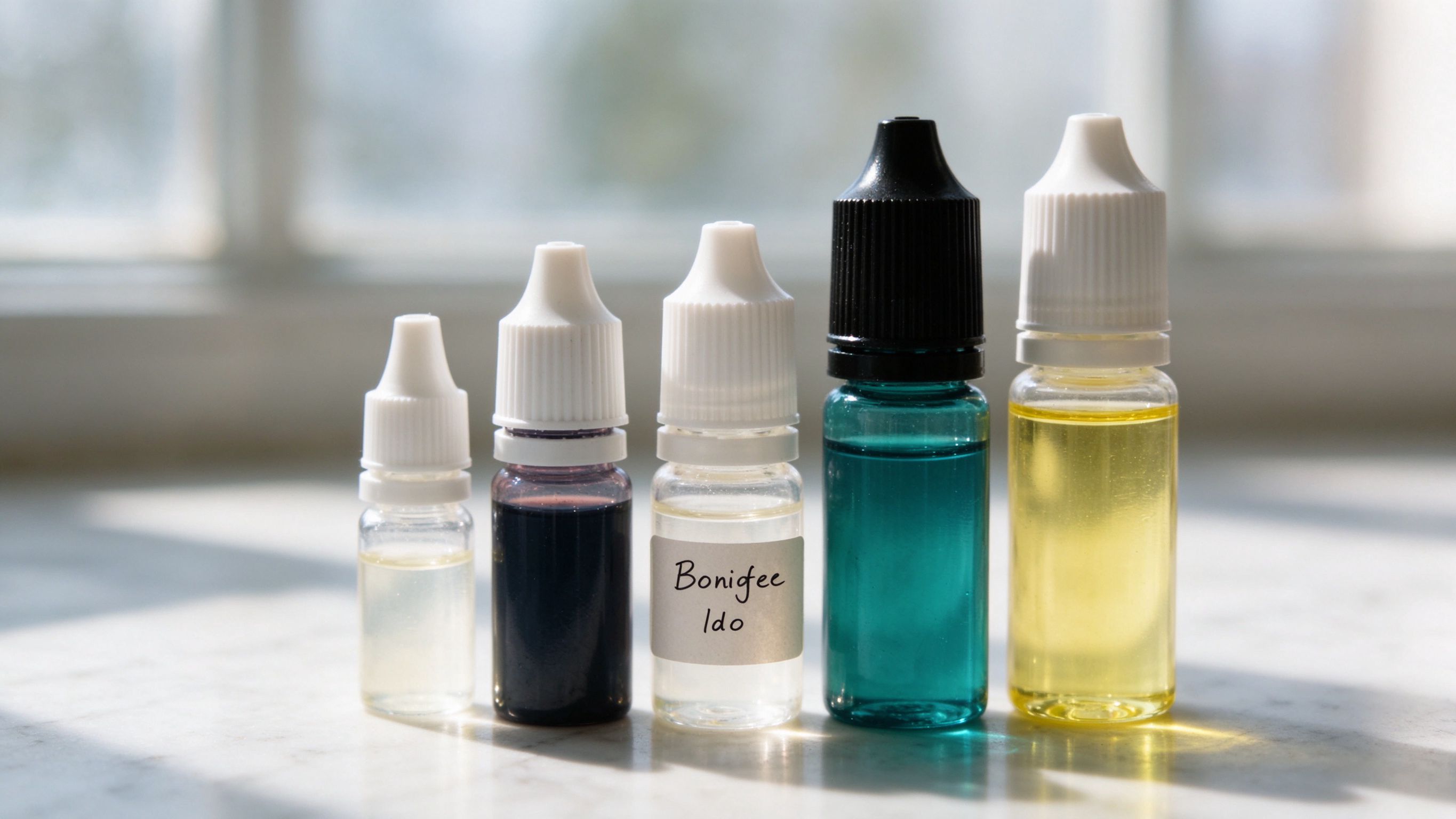
Summary: Pre-filled closed pods and refillable open pods solve different problems. Here is how to tell which one fits your week.
Two pod systems, same shape, opposite design philosophies. One locks the liquid inside a sealed cartridge. The other lets you pour whatever you want into it. The difference decides your monthly cost, your flavour range, and how much of your evening goes to maintenance.
Definitions, quickly
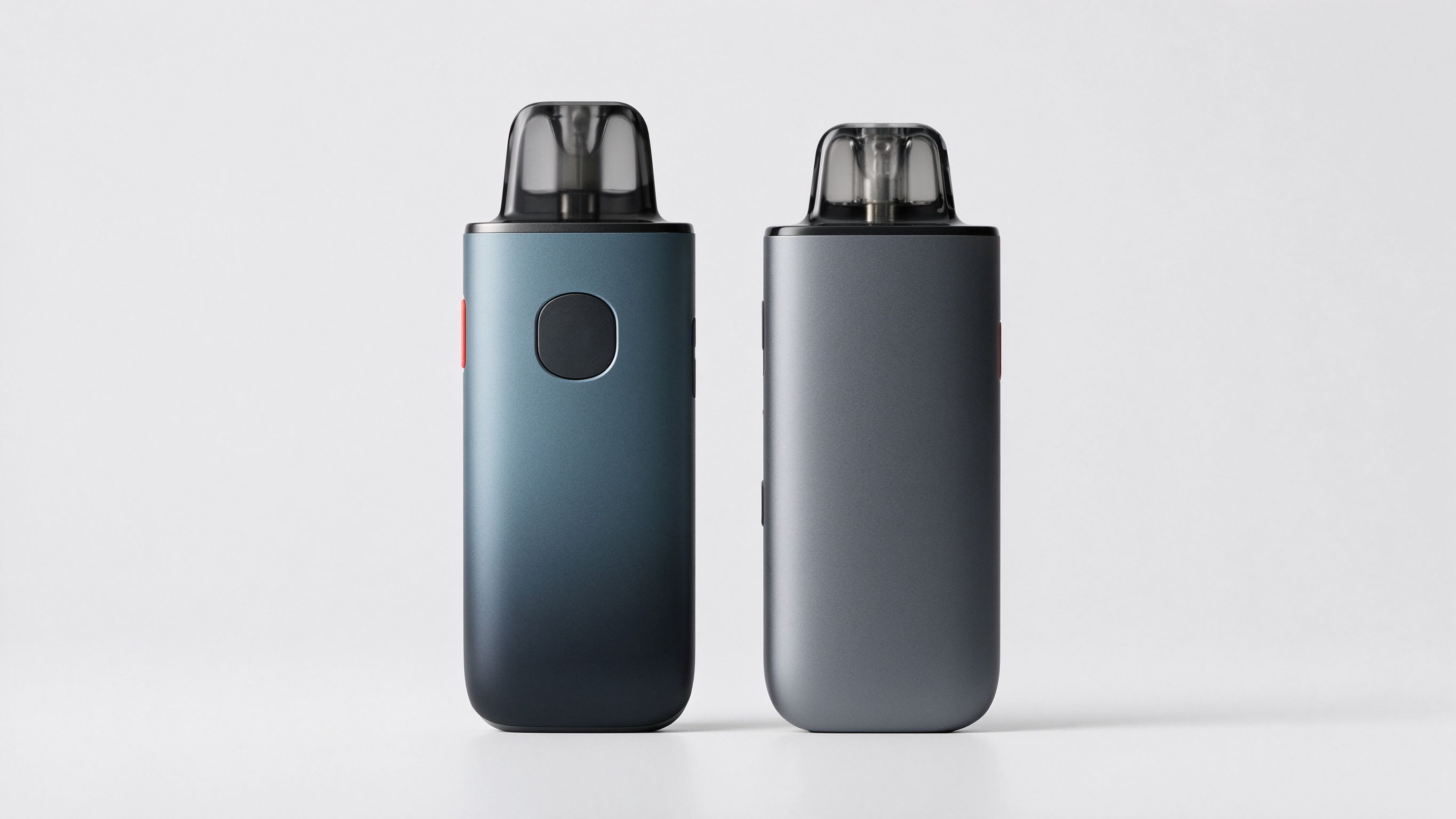
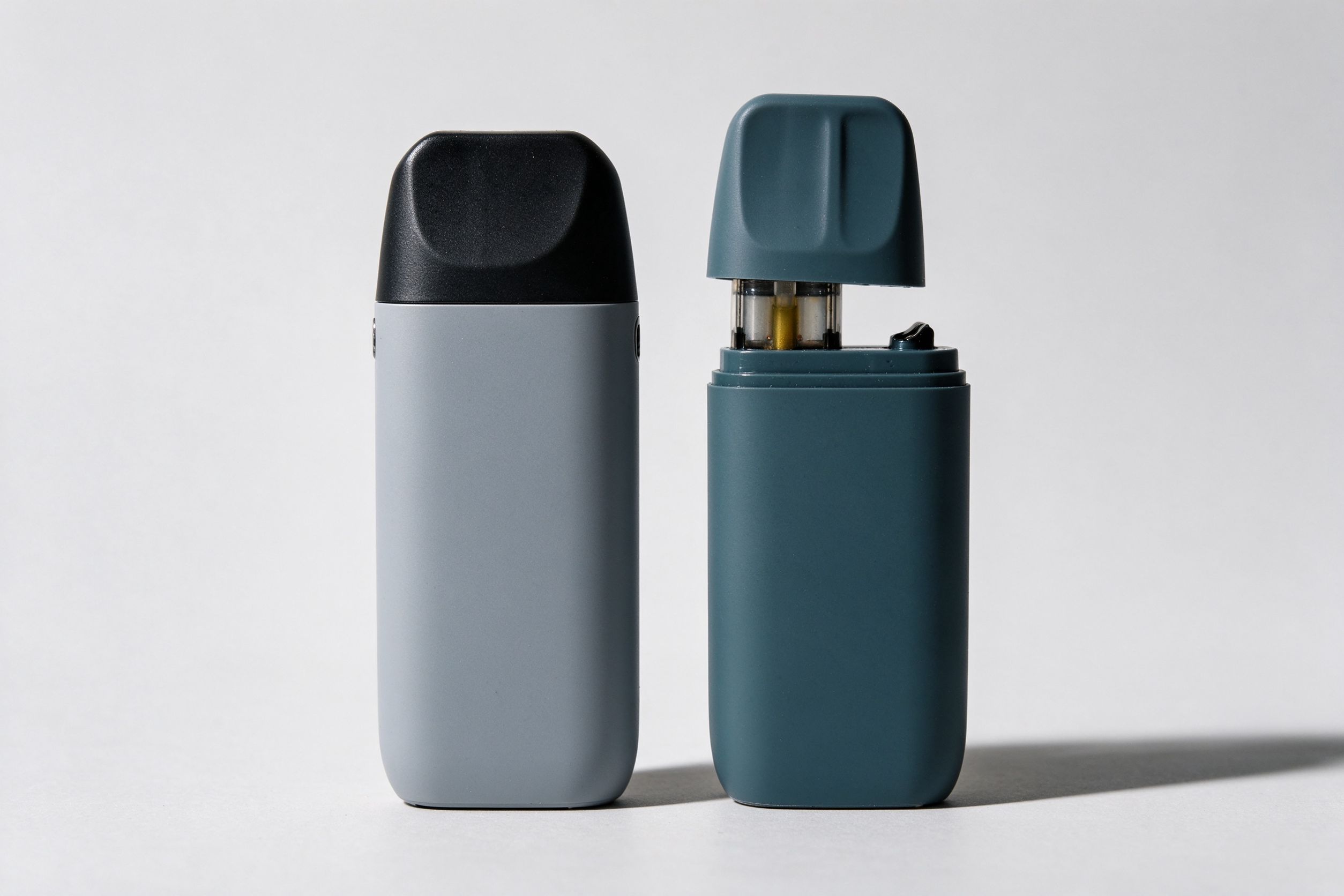
- Closed pod: a sealed, pre-filled cartridge, sold in packs, discarded when empty. The brand controls the liquid.
- Open pod: an empty refillable cartridge or tank that you fill from a bottle. You control the liquid.
Cost, honestly
Closed pods look expensive per unit and often are: $8 to $12 for a two-pack that lasts a week means roughly $35 to $50 a month. Open pods plus a bottle typically land near $30 to $40 a month, and the difference widens if you vape heavily, because liquid is far cheaper per mL than sealed cartridges.
But closed pods have no waste. Nobody throws away half a bottle they did not like. For a light vaper, closed can be genuinely cheaper.
Flavour freedom
This is the decisive difference for most people. An open pod gives access to every liquid on the market, in every strength from 3 to 60 mg/mL. A closed pod gives you the brand's menu, usually three to six profiles at one or two strengths.
If you like one flavour and want to stop thinking about it, closed is fine. If you get bored in two weeks — and most people do — open saves you from buying a new device every time you want a change.
Reliability and fiddliness
Closed pods are the least maintenance-heavy option that is not a disposable. No filling, no leaking, no priming ritual. Open pods add four small rituals: fill, wait, wipe, check the level. Most people find them routine within a week; some people resent them forever.
Open pods also fail in ways closed pods do not — flooding, overfilling, dry hits from priming too fast. That is the honest trade for the freedom.
Strength and throat hit
Closed pods are usually sold at one or two strengths, often 20 and 50 mg/mL. If your sweet spot is 35 mg/mL, a closed system may not offer it. Open pods let you buy exactly what works, which matters if you have already learned your number.
Compatibility risk
Both systems tie you to one device family. Closed pods are the more fragile commitment: when a brand discontinues a flavour or a pod generation, the battery becomes a paperweight. Open pods have less of that risk because liquid is standardised — a bottle works in any compatible pod regardless of brand.
Before buying either, confirm that spare pods are actually stocked for the model. This is the single most overlooked step in pod buying.
A one-question decision
Do you want to choose your liquid, or do you want to stop thinking about it?
- Choose liquid → open pod.
- Stop thinking → closed pod.
- You vape under 100 puffs a day and hate maintenance → closed pod, or a disposable.
- You vape 200+ puffs a day → open pod, because the cost gap becomes real money.
Where both are listed with real specs
Whichever you pick, the listing should state pod resistance, capacity in mL and available strengths. SmokVera lists closed and open pod systems with those specs side by side, which is the only way to compare them without anecdotes.
Compare closed and open pods at SmokVera
Bottom line
Closed pods buy convenience and cost flexibility. Open pods buy cheap running costs and flavour range, at the price of ten minutes a week. Neither is better — one is better for your habit.
Still deciding between a pod and a disposable? Read Disposable vs Refillable Pod.
For adults 21+. Nicotine is an addictive chemical. Vaping is not an FDA-approved smoking cessation product.