Summary: What the rules actually say about carrying and using a vape while travelling, and why a smoke detector does not care about vapour.
Travel rules for vaping split into two separate questions that get confused constantly: what you may carry, and where you may use it. The first is governed by aviation security rules and is fairly clear. The second is governed by property rules and local law, and it is where most people get into trouble.
Carrying a device on a plane
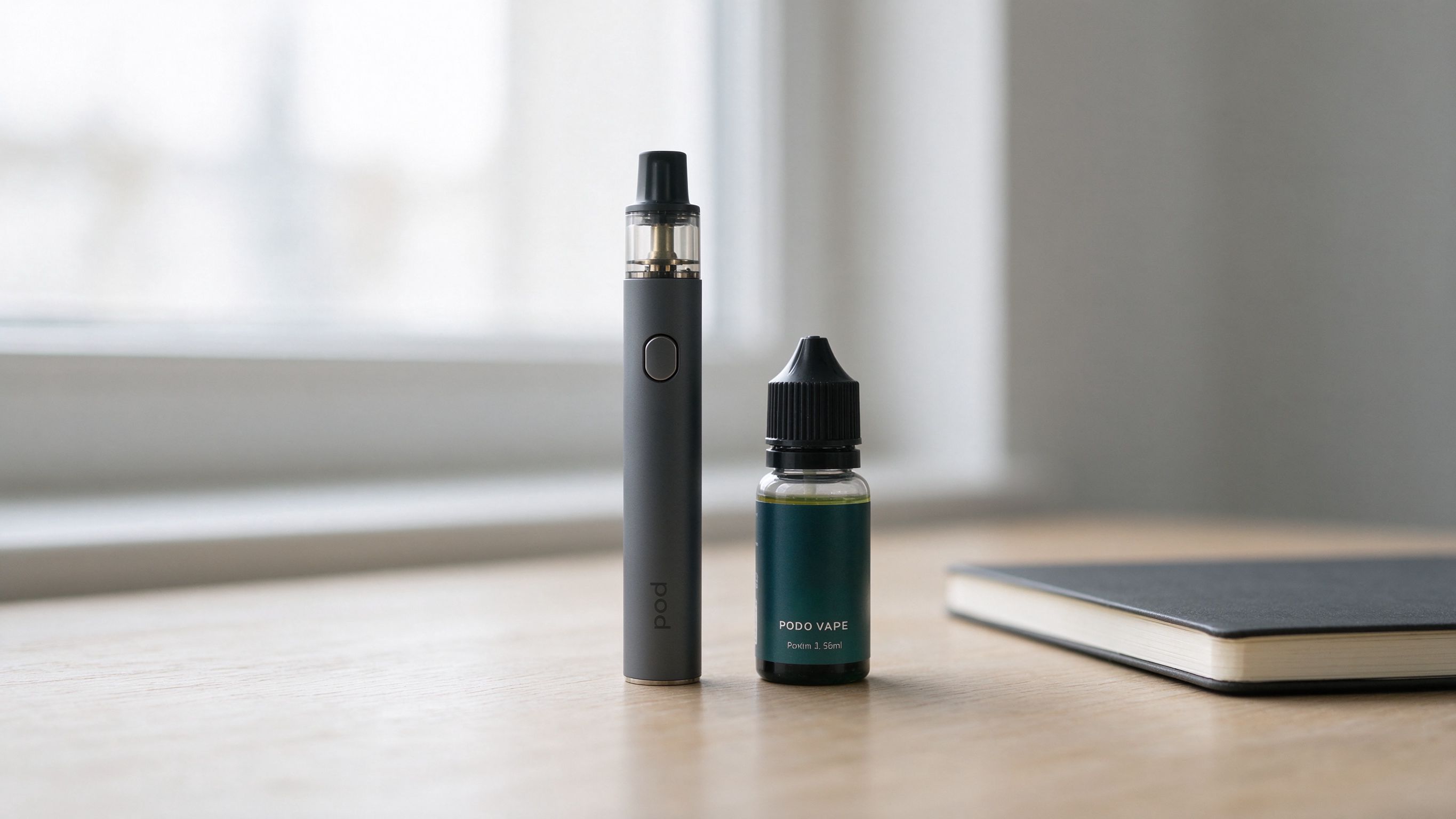
In the US, TSA allows vaping devices and spare batteries in carry-on baggage only — not in checked luggage, because lithium batteries in the hold are a fire risk. Devices must be powered off, and many airlines require them to be in the cabin rather than the overhead bin. Liquid rules apply as usual: containers of 100 mL or less in a clear quart bag, and bottles above that belong in checked baggage subject to the airline's rules.
Using one on a plane
Not allowed. US federal law prohibits smoking on commercial flights, and that prohibition covers electronic cigarettes explicitly. It is not a matter of discretion for the crew, and the fine is substantial. Vapour also sets off lavatory smoke detectors, which are sensitive particle detectors, not smoke-specific sensors — which brings us to the next section.
Smoke detectors do not distinguish vapour
Most hotel and aircraft detectors are photoelectric or ionisation sensors that respond to airborne particles, and aerosol from a vape contains particles in the same size range as smoke. A vape can and does trigger them. Hiding under a towel or blowing into a bag makes it worse: the particles stay concentrated in the room and the detector eventually alarms.
Hotel rules
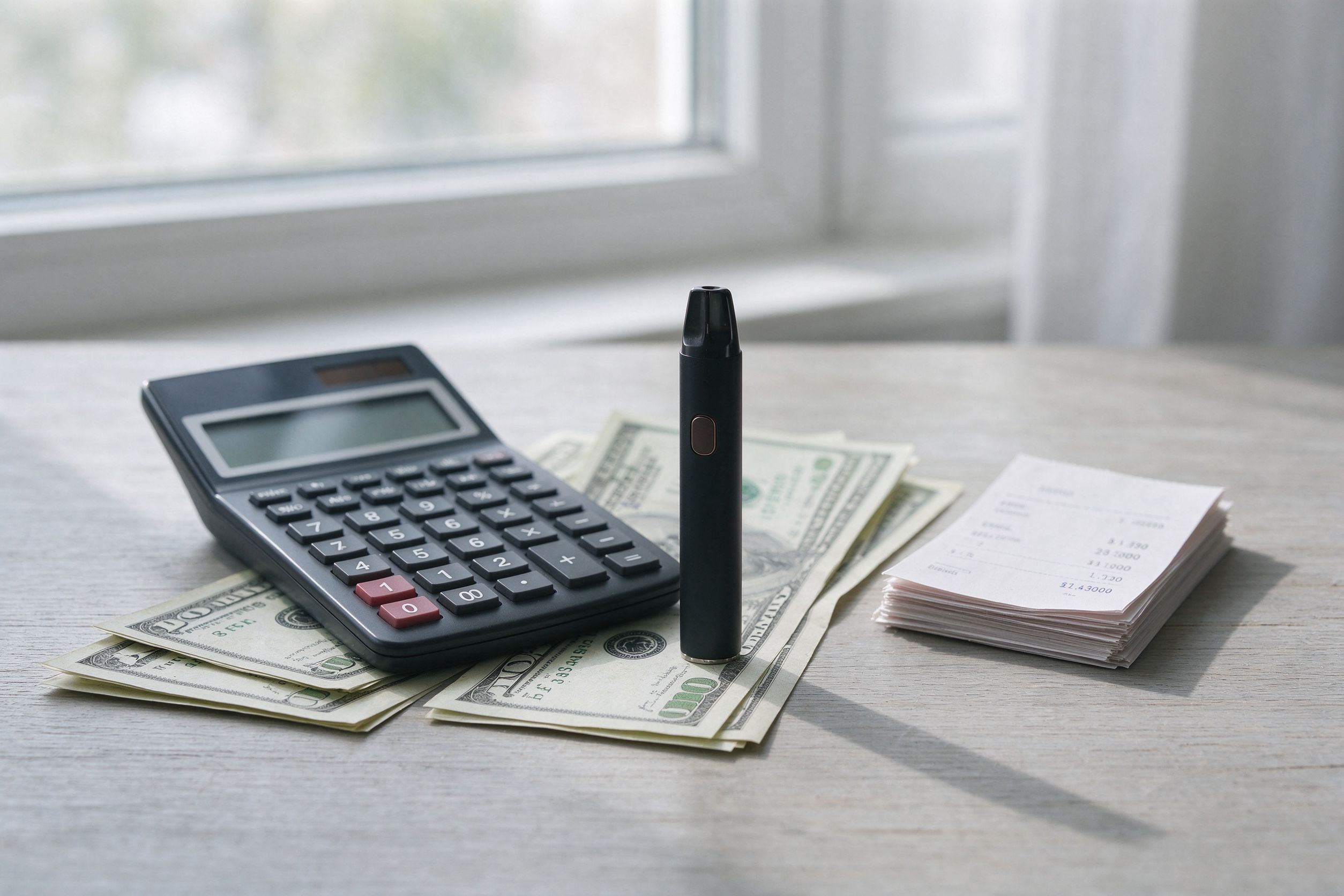
Hotel non-smoking policies almost always define smoking to include vaping; "smoke-free" in a hotel's terms usually means "no aerosol of any kind". Consequences range from a cleaning fee of $100 to several hundred dollars, and some chains add a service charge plus a damage assessment. Room type matters less than the property's written policy, which is usually in the booking terms rather than on the door sign.
Shop SmokVera travel-friendly pods
Where you actually can vape
Outdoors, away from entrances in most jurisdictions, and in designated smoking areas where they exist. Indoor vaping bans follow indoor smoking bans in most US states and cities, and many venues apply their own no-vaping rule even where the law is silent. In practice: assume that anywhere smoking is banned, vaping is banned too.
Practical travel checklist
Devices and spare batteries in your carry-on, powered off. Liquid in 100 mL containers inside the quart bag. Pods kept upright and half-full rather than full, because cabin pressure pushes liquid out of a brimmed pod. A tissue and a spare pod for the pressure-driven gurgle after landing. And no use on the aircraft, in the terminal beyond designated areas, or in the hotel room.
Bottom line
Carry in the cabin, never use on the plane, expect detectors to react to vapour, and read the hotel's written policy rather than guessing. None of this is ambiguous, and the cost of getting it wrong is a fine rather than a warning.
Two supporting reads: Vape Shipping Rules in the US and How to Spot a Counterfeit Vape.
For adults 21+. Nicotine is an addictive chemical. Airline and property rules change; confirm with your carrier and hotel.
More in the series: Disposable Vapes: the complete guide. Also worth reading: Vape Battery Safety, Why Your Vape Hits Weak, How to Clean and Maintain a Pod System, Vape Warranty and Returns, Geek Bar Pulse vs Pulse X, How to Pick a Geek Bar Flavour Without Wasting $20, Is Geek Bar Legit? Three Questions, Three Answers.