Summary: What is normally covered, what is normally not, and the exact sequence that gets a dead device replaced instead of argued about.
A device that arrives dead, leaks from the first fill, or dies in the first week is a warranty question, and the outcome depends almost entirely on what you do in the first 48 hours. Retailers replace these routinely; what they decline is claims that look like user damage. The difference is documentation and sequence.
What is usually covered
Dead on arrival — no vapour, no light, will not charge. Leaking from a sealed, unfilled device. A battery that will not hold charge in the first 30 days. A pod that will not fire in a new device. These are manufacturing faults and nearly every retailer covers them for 30 to 90 days.
What is usually not covered
Burned coils from running dry, cracked pods from dropping, liquid damage from overfilling or from a pod left on its side, and anything that happened after the device was used for weeks. Consumables — pods, coils, liquid — are almost never returnable once opened, for hygiene and legal reasons.
The first 48 hours, in order
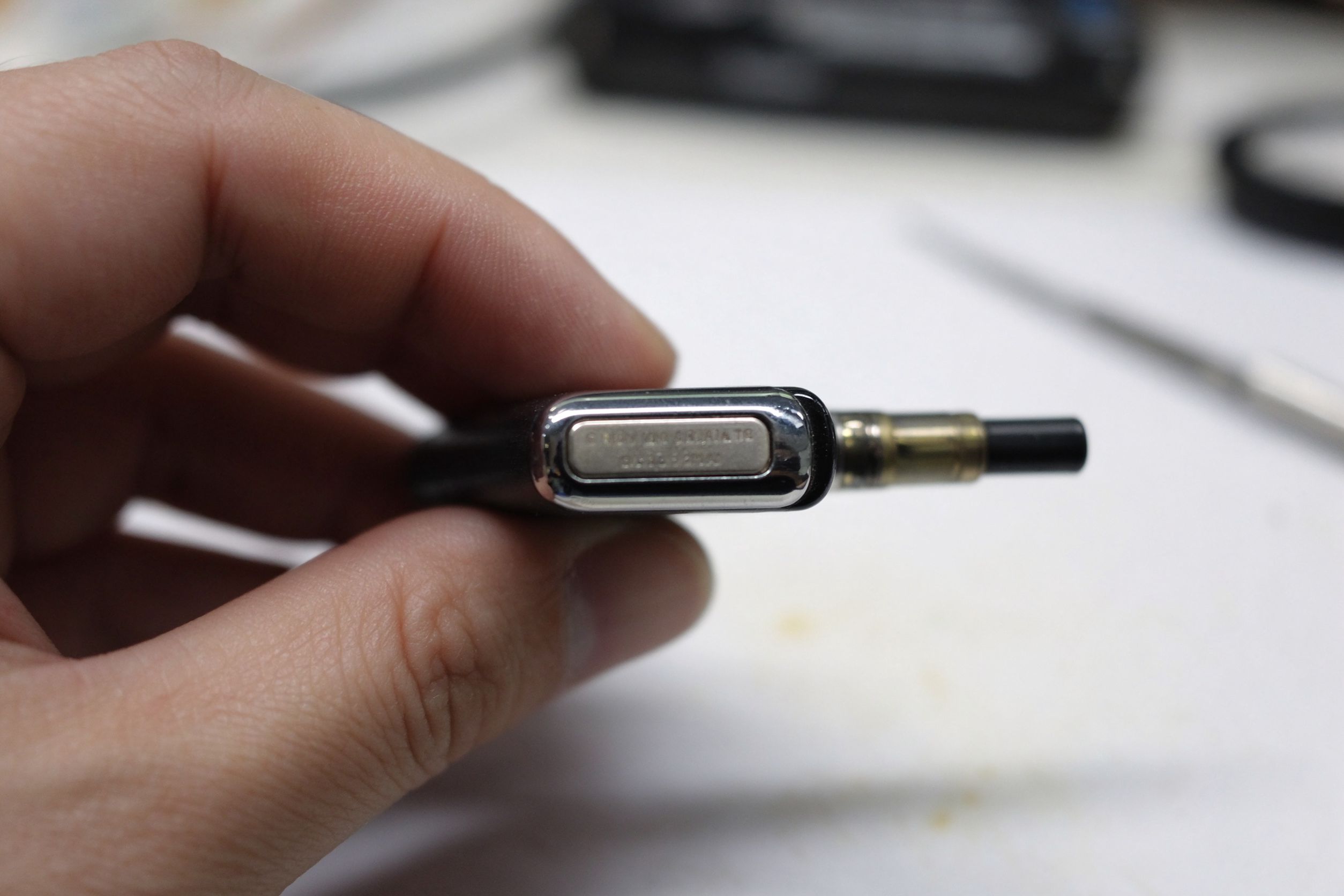
Photograph the device and its packaging before you open anything, and keep the box. Then, if it fails, document the failure on video: press the fire button with the pod attached, show no vapour; plug it into a charger and show no indicator. A 20-second clip is the single most effective piece of evidence in a warranty claim, and it costs you a minute.
Then contact the retailer with the order number, the date, the device model, and the clip. Ask specifically whether they want the unit returned or destroyed — many retailers prefer a video and will ship a replacement without a return, because a returned used device is a biohazard they have to dispose of anyway.
Chargeback is a last resort, not a first move
If a retailer refuses a legitimate dead-on-arrival claim, the card chargeback process exists for exactly this. It has a deadline — typically 60 to 120 days depending on the card network — and it requires the same evidence plus a record of your contact with the retailer. Start the request in writing, keep the emails, and use the chargeback only after the retailer has had a reasonable chance to respond.
What to check before you order
Three things on the retailer's site, in under two minutes: is there a written returns policy with a stated window, does it distinguish DOA from used-device returns, and is there a support address that is not a web form. A shop that publishes a policy is far easier to deal with than one that answers "contact us" and nothing else.
Bottom line
Keep the box, film the failure, contact the retailer within 48 hours, and ask how they want to handle the unit. Dead-on-arrival replacements are routine; the claims that fail are the undocumented ones.
Two supporting reads: How to Spot a Counterfeit Vape and Six Checks Before You Check Out.
For adults 21+. Warranties are set by the retailer and manufacturer; this page describes common practice, not a legal guarantee.
More in the series: Disposable Vapes: the complete guide. Also worth reading: Geek Bar Pulse vs Pulse X, How to Pick a Geek Bar Flavour Without Wasting $20, Is Geek Bar Legit? Three Questions, Three Answers, 50,000 Puffs? How Puff Counts Are Actually Calculated, Buying Vapes in the US in 2026, Vape Pen vs Disposable, Vape Batteries.