Summary: The practical difference between salt and freebase nicotine, which device each belongs in, and how to choose without wasting a bottle.
Two bottles on the same shelf, same flavour, same price, different nicotine. One is salt, one is freebase. Choosing wrong is the most common reason a beginner decides vaping "doesn't work for me".
What actually differs
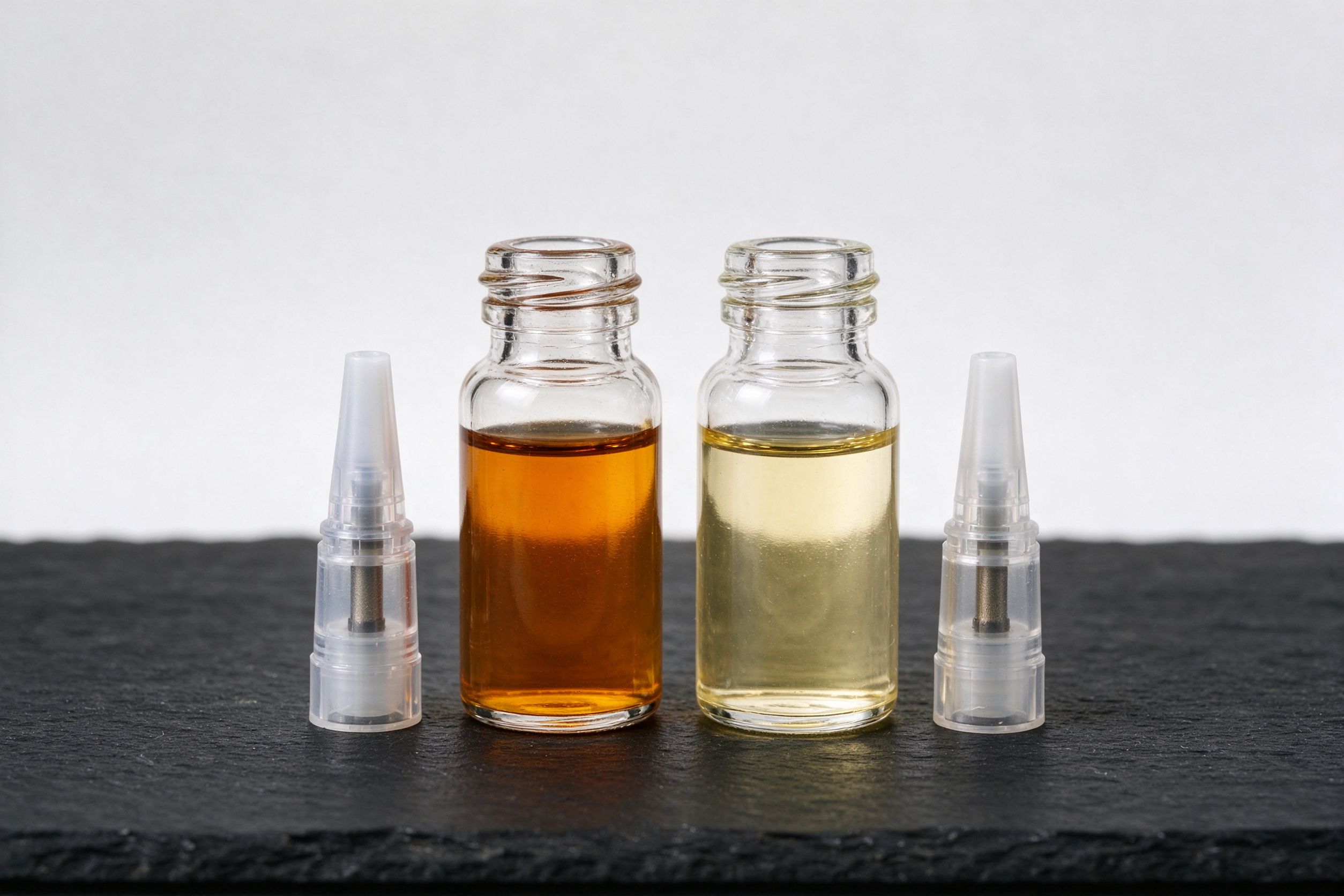
Both contain the same nicotine molecule. The difference is how it is bound and how the liquid is formulated:
- Freebase nicotine is the older form used in tank and sub-ohm liquids, usually sold at 3 or 6 mg/mL. It has a pronounced throat hit and absorbs more slowly.
- Nicotine salt is nicotine bound with a weak acid, which lowers the pH. It is far smoother at high strength, absorbs faster, and is what pods and disposables use at 20 to 50 mg/mL.
The mistake that costs you a bottle
People assume salt is "stronger" and freebase is "weaker". Not quite. At the same mg/mL, salt delivers more nicotine per puff because you can inhale it comfortably. A 20 mg/mL salt pod often satisfies a pack-a-day smoker in a way a 20 mg/mL freebase liquid never would, because nobody can actually inhale 20 mg/mL freebase.
So the honest comparison is not strength, it is device plus strength together:
- Low-power pod, tight draw, 20 to 50 mg/mL salt: high nicotine per puff, small vapour volume.
- Higher-power tank, open draw, 3 to 6 mg/mL freebase: low nicotine per puff, large vapour volume.
Which one belongs in your device
This part is not negotiable. Using the wrong liquid in the wrong device is how you get burnt coils, leaking pods and a bad week:
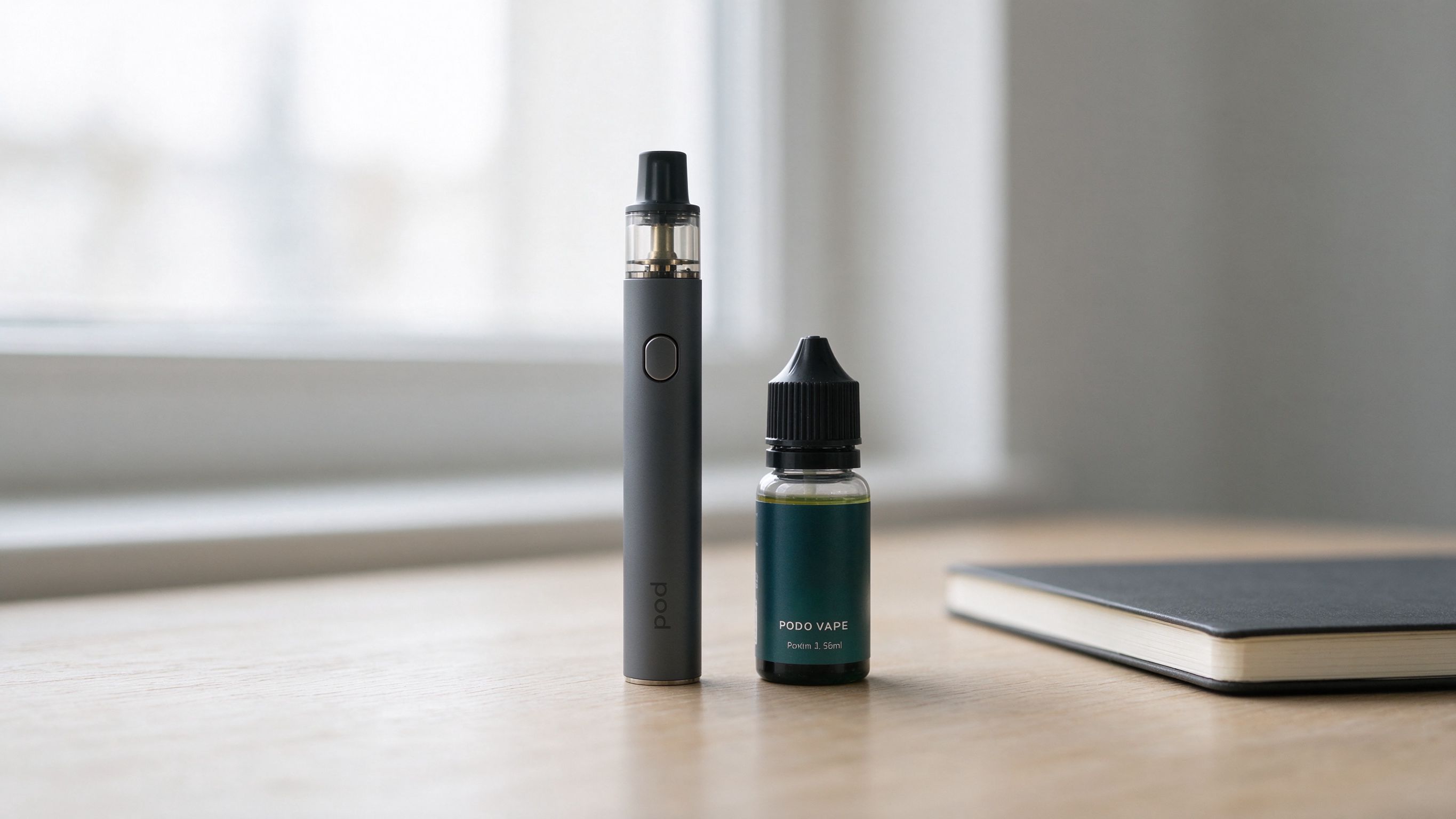
- Pod systems and disposables: salt. Pods above 0.8 ohm and low wattage are designed for it.
- Sub-ohm tanks and high-wattage devices: freebase, 3 to 6 mg/mL. Salt at high wattage delivers a nicotine dose that will make you feel ill.
- Refillable pod at 50 mg/mL: only if the pod is high resistance and the airflow is tight. A 50 mg/mL salt in a 0.4-ohm pod is a mistake people only make once.
Throat hit, and why it matters more than flavour
Ex-smokers usually miss the throat hit more than the taste. Freebase provides it mechanically — the alkalinity irritates the throat. Salt hides it, which is why high-strength salt does not feel like 50 mg/mL. If you have quit before and gone back because vaping felt "too soft", freebase at moderate strength in a tank may suit you better than salt.
Price and shelf life
Salt liquids are generally priced the same per mL as freebase at the same brand tier. Salt oxidises slightly faster once opened and darkens; that is normal and not spoilage. Freebase keeps longer. Neither is meaningfully cheaper per puff — the cost driver is how much liquid you get through, not which form you buy.
A decision you can make in one minute
- You want a small device you can pocket, and you smoked half a pack or more: salt, 20 to 35 mg/mL.
- You want a small device, and you smoke under five a day: salt, 10 to 20 mg/mL.
- You already own a tank or a high-wattage mod: freebase, 3 to 6 mg/mL.
- You tried salt and felt nothing: move up one step, or switch to freebase in a tank.
- You tried salt and felt sick: drop one step; do not push through a headache.
Where to buy without decoding the label
The listing should tell you three things: the strength in mg/mL, whether it is salt or freebase, and the resistance range it is intended for. SmokVera lists nicotine type and strength next to each pod and liquid, so the compatibility check above takes about ten seconds instead of a support ticket.
Compare salt and freebase options at SmokVera
Bottom line
Salt is for small devices and high strength. Freebase is for big devices and low strength. Almost every "vaping doesn't work for me" story is a mismatch between those two columns, and it is fixed by one $10 bottle, not a new device.
If you have not picked a strength yet, start with Nicotine Strength Explained. If you are still choosing between device types, read Disposable vs Refillable Pod.
For adults 21+. Nicotine is an addictive chemical. Vaping is not an FDA-approved smoking cessation product.