Summary: Two Tomoro devices, both 12 flavors and dual mesh, but the 50,000 count only applies to one mode. Here is what actually differs.
Tomoro sells two devices, and the two of them contradict each other in a way that is more useful than any marketing copy on either page.
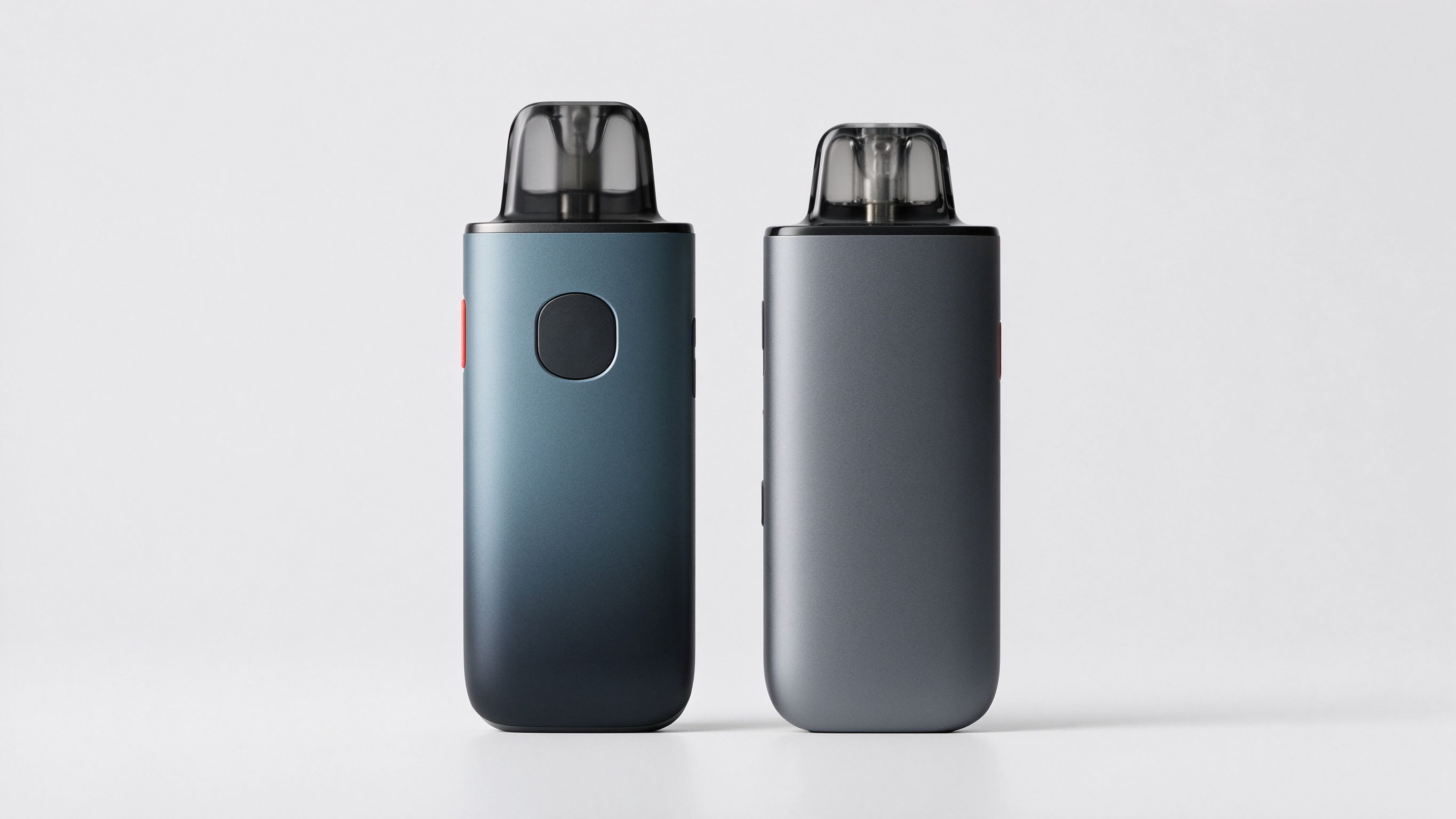
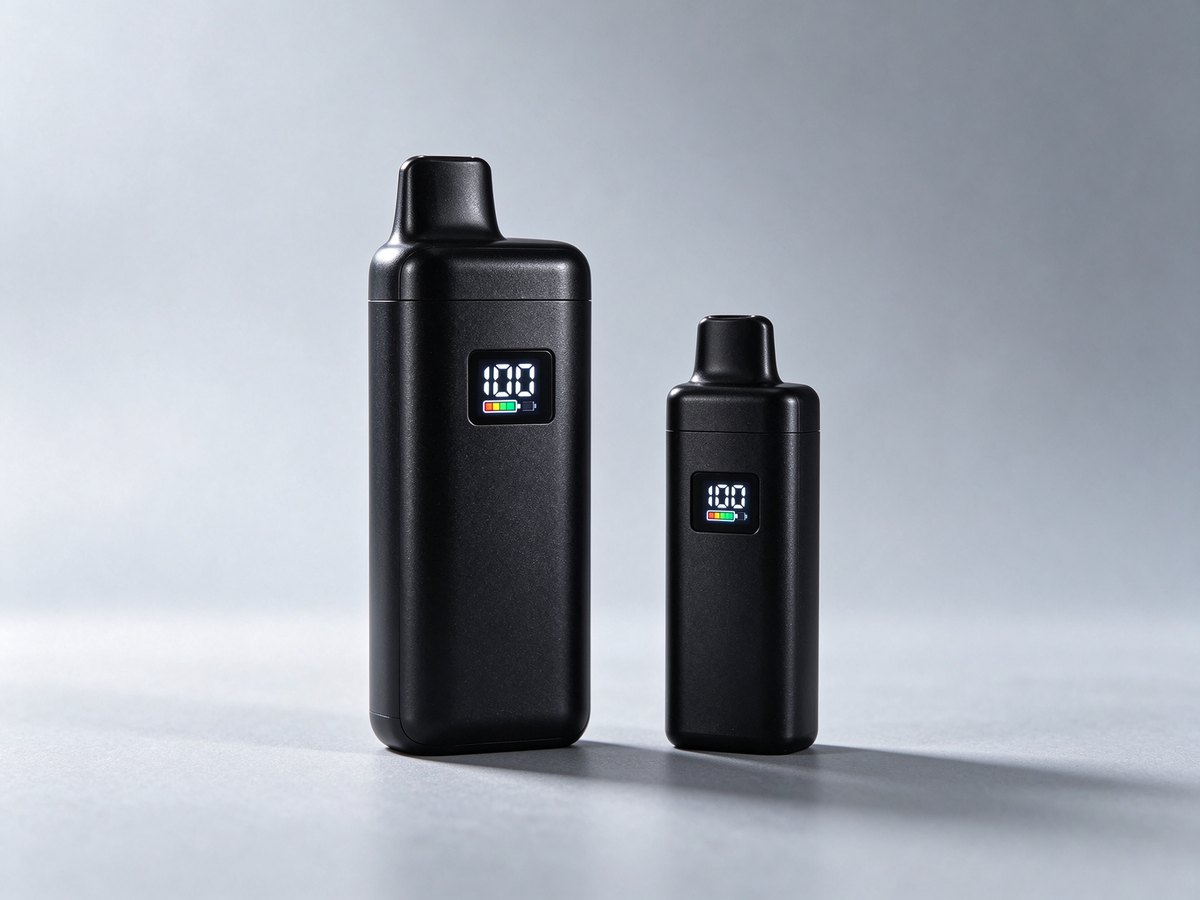
Both are high-capacity disposables with dual mesh coils, twelve flavors, a digital display and USB Type-C charging. The hardware language is identical. The numbers are not, and one of the numbers quietly changes depending on which mode you are in.
The two devices, on paper
| Tomoro D20 | Tomoro D15 | |
|---|---|---|
| Price | $18.95 | $14.50 |
| Rated puffs | 50,000 in Standard Mode | 35,000 maximum |
| Rated puffs, boost mode | 30,000 | not published |
| Fill volume | 18 mL | not published |
| Battery | 850 mAh, rechargeable | 600 mAh, rechargeable |
| Coil | Dual mesh, 1.0Ω and 0.19Ω | Dual mesh |
| Display | Yes | Smart digital display |
| Charging | USB Type-C | USB Type-C |
| Flavors | 12 | 12 |
| Nicotine | 5% (50 mg) | not stated on listing |
The 50,000 figure only applies to one mode
This is the detail worth slowing down for. The D20 is rated for up to 50,000 puffs in Standard Mode and up to 30,000 puffs in Boost Mode.
Same device. Same 18 mL reservoir. Same dual mesh coil. Two modes, and a 40% difference in the number printed on the box.
Nothing about the hardware changed between those two figures. What changed is the output setting, and therefore how much liquid leaves the reservoir on each draw. Boost mode runs hotter, produces more vapor, and consumes the fill faster. The puff count is a readout of that consumption rate, not a property of the device.
This is the cleanest demonstration of the point that matters across the whole category: a puff count is a test result, not a spec. When the same product can honestly claim 50,000 and 30,000, the number is telling you about a setting, not about hardware.
The D15 does not publish its fill volume
The D20 lists 18 mL. The D15 lists 35,000 puffs, a 600 mAh battery, dual mesh, a digital display and twelve flavors, and then stops short of naming how much liquid is inside.
That asymmetry is worth noticing because it makes the two devices incomparable on the one measure that actually holds across brands. For the D20 you can compute cost per millilitre: $18.95 divided by 18 mL is $1.05 per mL. For the D15 there is no denominator, so the per-mL price cannot be calculated at all.
What you can compute is cost per rated thousand puffs: $0.41 for the D15 against $0.38 for the D20. That comparison uses the same unreliable unit for both devices, so it is a fair comparison of labels and not of liquid. The ranking it produces is covered in the D20 versus D15 breakdown.
Battery is the difference that shows up in daily use
850 mAh against 600 mAh is a 42% larger reserve, and on a device rated for tens of thousands of puffs that matters more than any other spec on this page.
A 50,000-puff device with a small battery does not stop working, it stops being convenient: you charge it more often, and every recharge is a pause. The D20's larger cell is the reason it can plausibly deliver its full rated count without constant interruption. The D15's 600 mAh is adequate for a smaller device, and it is the honest reason to expect a shorter interval between charges.
Both charge over USB Type-C, and neither ships with a cable.
What the two devices actually share
- Twelve flavors each, with the same naming and the same dependence on batch and stock.
- Dual mesh coil construction on both, intended for even heating and consistent vapor.
- Two output modes on both, though only the D20 publishes a puff figure for its boost setting.
- An on-device digital display on both, showing battery and mode information.
- USB Type-C charging and a rechargeable cell on both.
Strip the marketing and the difference between these two products is battery size, reservoir size, and physical footprint. The flavor lineup, the coil type, the charging standard and the mode structure are the same purchase.
Which one to pick
- Longest interval between purchases, least charging friction: the D20. 18 mL, 850 mAh, and a published 30,000-puff boost figure you can plan around.
- Smaller footprint, lower entry price: the D15. $4.45 cheaper, visibly smaller, same twelve flavors and the same coil design, with less liquid and less battery behind it.
If you are deciding on liquid economics alone, neither of these is the cheapest option in the line, because both sit above the per-mL and per-puff rates of the cheapest 50K device on the same shelf. That comparison is in why the same 18 mL can be labeled 50,000 and 25,000 puffs.
Before you buy a Tomoro
Two checks matter more than the spec sheet. First, the nicotine figure: the D20 listing states 5%, which is 50 mg/mL, and the D15 listing does not state a concentration at all. If a seller cannot tell you the strength of the D15 batch they are shipping, that is a reason to ask again. The conversion from percentage to milligrams is in nicotine strength explained.
Second, sealed packaging with a checkable batch code. High-capacity devices at these price points are a counterfeit target, and the checks are the same ones described in the Geek Bar legitimacy breakdown. For how the two brands compare on capacity and price, the Geek Bar line overview covers the other side of the same shelf.
More in the series: Disposable Vapes: the complete guide. Also worth reading: Vapekool Kolos 40K, Lost Mary vs Geek Bar, Geek Bar Flavors, Disposable vs Refillable Pod, Pods for a Pack-a-Day Smoker, What Vaping Actually Costs a Month, Compared With Cigarettes, US Vape Shipping Rules.