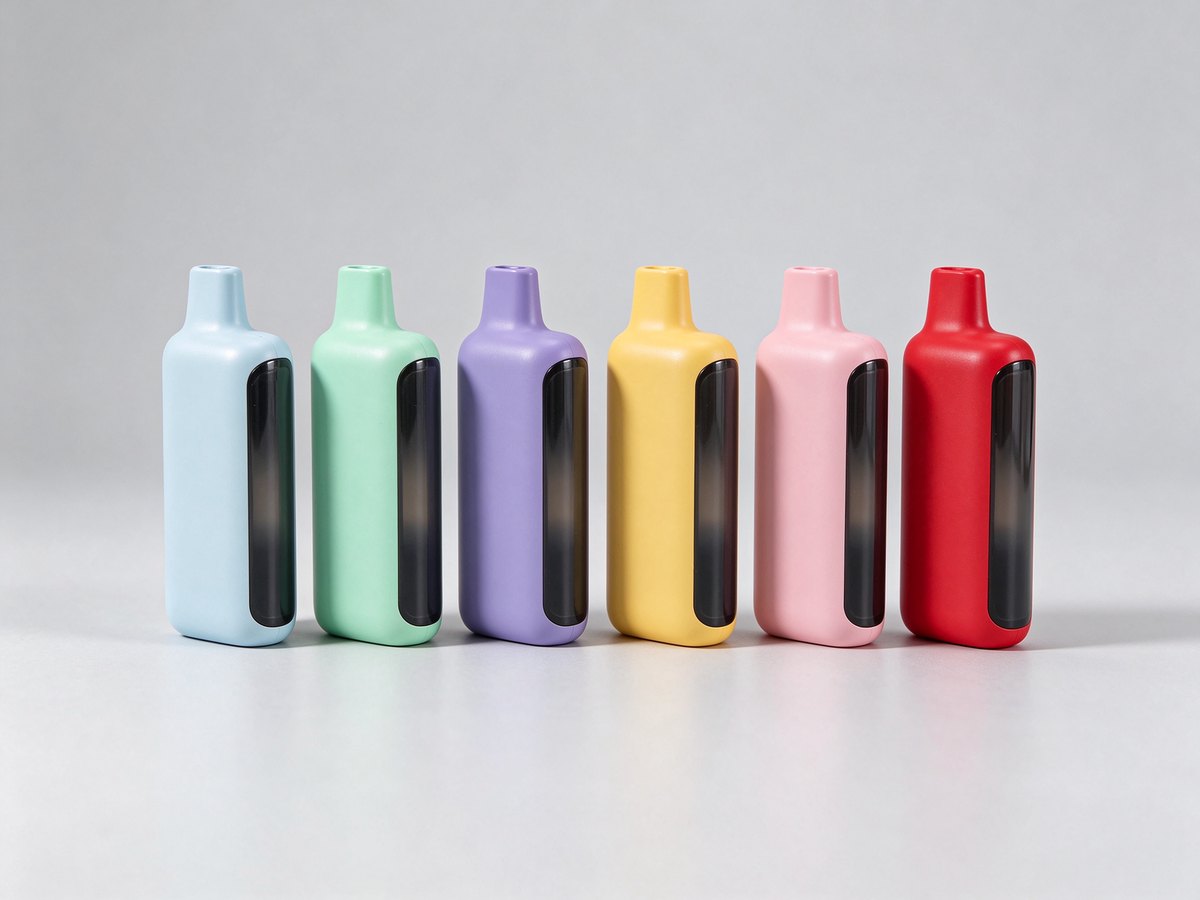
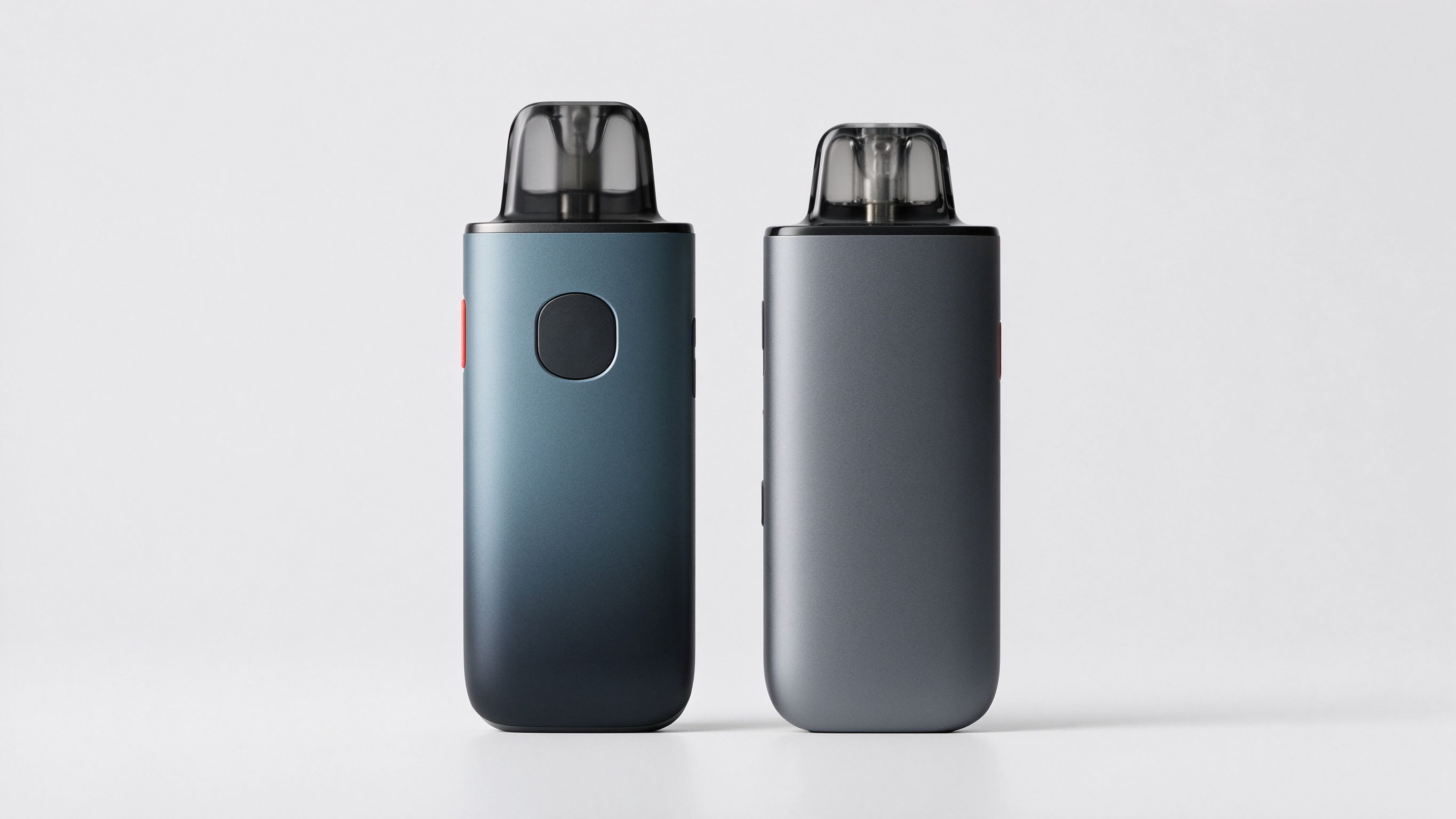
Summary: Two devices hold the same 18 mL and claim double the puffs. Why rating protocols, not liquid, decide the number on the box.
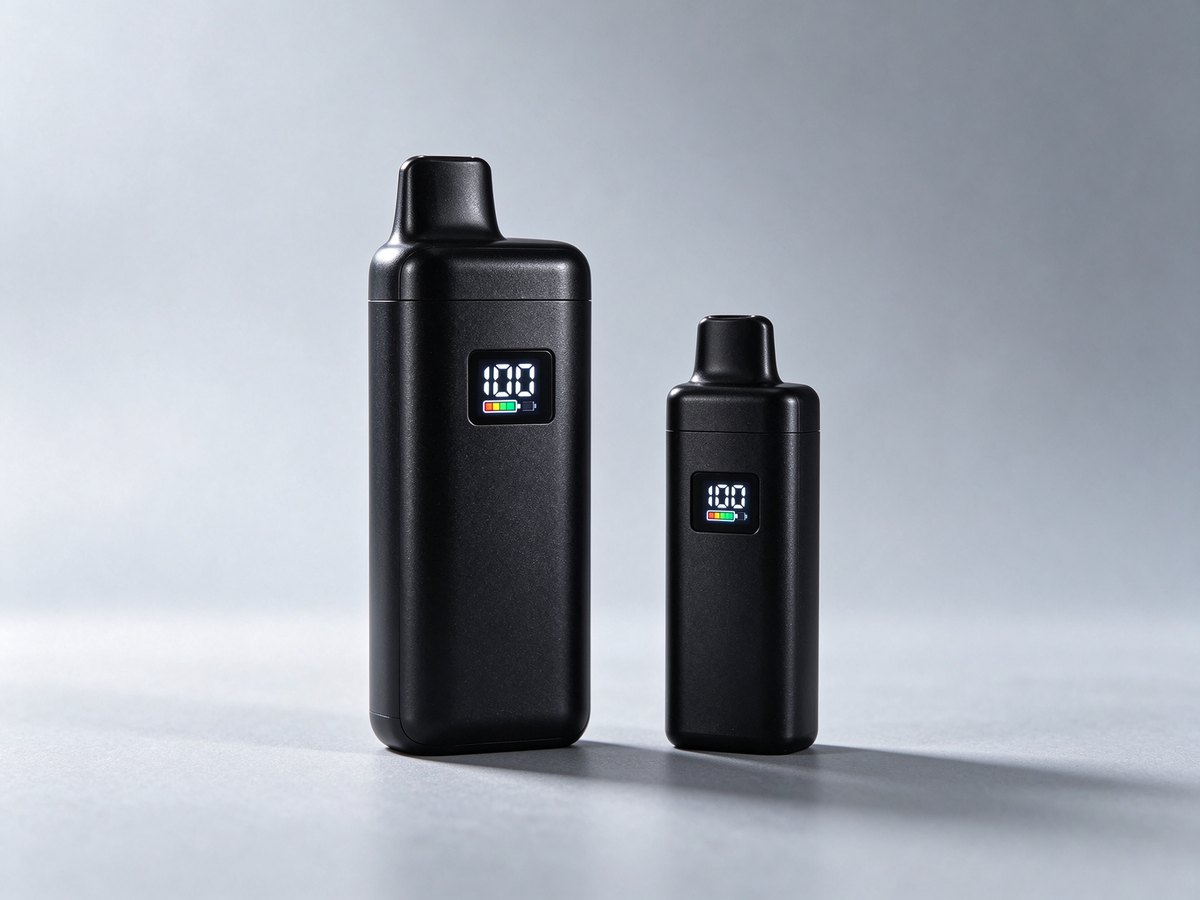
Two devices hold exactly 18 mL of e-liquid. One box says 25,000 puffs. The other says 50,000. Both are sold by the same store, at almost the same price, to the same customer.
This is not a mistake in the listing, and it is not confined to these two products. It is how the puff count works across the entire disposable category, and understanding it is the difference between comparing devices and comparing labels.
The two devices, side by side
| Tomoro D20 | Geek Bar Pulse X | |
|---|---|---|
| Price | $18.95 | $17.99 |
| Rated puffs | 50,000 | 25,000 |
| Fill volume | 18 mL | 18 mL |
| Cost per 1,000 rated puffs | $0.38 | $0.72 |
| Cost per mL | $1.05 | $1.00 |
Read the last two rows together. On rated puffs, one device looks 45% cheaper. On liquid, the two devices are five cents apart.
A puff is a test result, not a device spec
Liquid does not stretch. If two devices carry the same 18 mL, only one thing can produce a doubled puff rating: the two companies measured a puff differently.
A puff count comes out of a protocol. The tester fixes a draw length, a draw interval, an airflow setting, and a rule for when the coil is finished. Change any of those and the number changes, without the hardware changing at all.
Run the arithmetic per millilitre and the implied protocols separate cleanly:
- Geek Bar Pulse X: 25,000 puffs from 18 mL = 1,389 puffs per mL
- Tomoro D20: 50,000 puffs from 18 mL = 2,778 puffs per mL
Exactly double. A machine taking one-second draws at long intervals can reach 2,778 per mL. A person inhaling for three or four seconds, back to back, cannot. One of these two numbers describes a machine; the other describes something closer to a person.
Which one should you trust
Neither number is dishonest, and neither is a lie you can act on. The useful position is in the middle:
- Treat the higher rating as an upper bound produced under ideal conditions.
- Treat the lower rating as a more conservative estimate, still above what most people will actually get.
- Assume 60–70% of any rated figure for real-world use, and apply that discount equally so the comparison stays fair.
Discount both and the ranking survives, but the margin shrinks. The D20 still wins on cost per puff. It just stops winning by 45%.
The trap that catches people on price
The same arithmetic exposes a second inconsistency inside the Tomoro line. The D15 is priced at $14.50 for a 35,000 rating, which works out to $0.41 per thousand puffs, against $0.38 for the D20.
The device that costs less at the counter costs more per puff. Paying $4.45 less up front buys you a worse rate for the entire life of the device. This pattern is common across the category, and it is the single most reliable way to overpay without noticing.
So what should you actually compare
- Cost per millilitre, which is what you physically receive and what the two 18 mL devices agree on.
- Output modes and screen, which are real hardware differences and not label differences.
- Rated puffs, only as a rough upper bound, and never across two brands that measure differently.
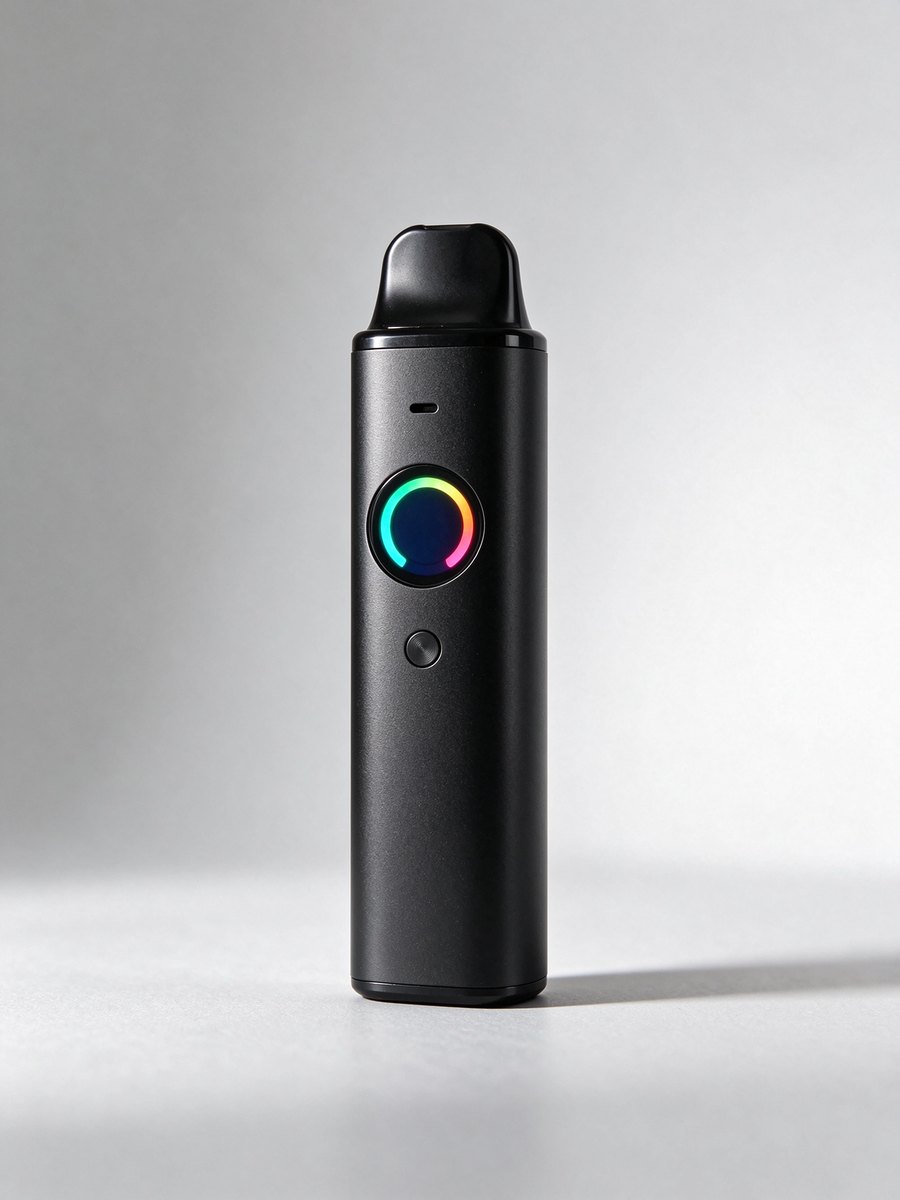
By that standard, the D20 and the Pulse X are nearly the same purchase on liquid economics. What separates them is the screen and the dual-mode output on the Pulse X, and the larger reserve before repurchase on the D20. Puff counts do not separate them, because the puff counts were never comparable in the first place.
Where the specific pairings are covered
This page is the general rule. The worked comparisons are separate:
- Tomoro D20 versus D15, including why the smaller device is the worse rate.
- Pulse X versus Vapekool Kolos, two devices at the identical $17.99 price point.
- Tomoro D20 versus Vapekool Kolos 40K, the 50,000 versus 40,000 question.
For the underlying arithmetic on how ratings are derived, how puff counts are actually calculated goes further into the test conditions. And if the 5% figure on these boxes means nothing to you yet, nicotine strength explained converts it into milligrams, which is the number that actually tells you what you bought.
Before you buy either
High-capacity devices at this price point attract counterfeits. Three checks matter more than any spec on this page: the fill volume printed on the packaging should match the listing, the device should arrive sealed with a checkable batch code, and the seller should be able to name the states it can legally ship to. The counterfeit checks themselves are covered in the Geek Bar legitimacy breakdown.
Buy on millilitres and modes. The label is doing most of the talking, and it is talking about a test, not about your week.
More in the series: Disposable Vapes: the complete guide. Also worth reading: Tomoro Disposable Vapes, Vapekool Kolos 40K, Lost Mary vs Geek Bar, Geek Bar Flavors, Disposable vs Refillable Pod, Pods for a Pack-a-Day Smoker, What Vaping Actually Costs a Month, Compared With Cigarettes.