Summary: Capacity is not power, and the number on the wrap is often invented. How to read mAh and amp ratings, and the signs that mean stop.
Almost every battery problem in vaping comes from two misunderstandings: that a bigger mAh number means a better cell, and that the printed rating can be trusted. Neither is true, and both matter more in a sealed disposable than people expect, because you cannot inspect what is inside.
Two kinds of battery situation
Sealed devices. The cell is not user-accessible. You cannot test it, replace it, or read its rating. What you can control is heat: not leaving it in a car, not charging it on a hot surface, and not using a device that gets warm on its own. A sealed device that becomes hot while idle should be retired immediately, not "kept an eye on".
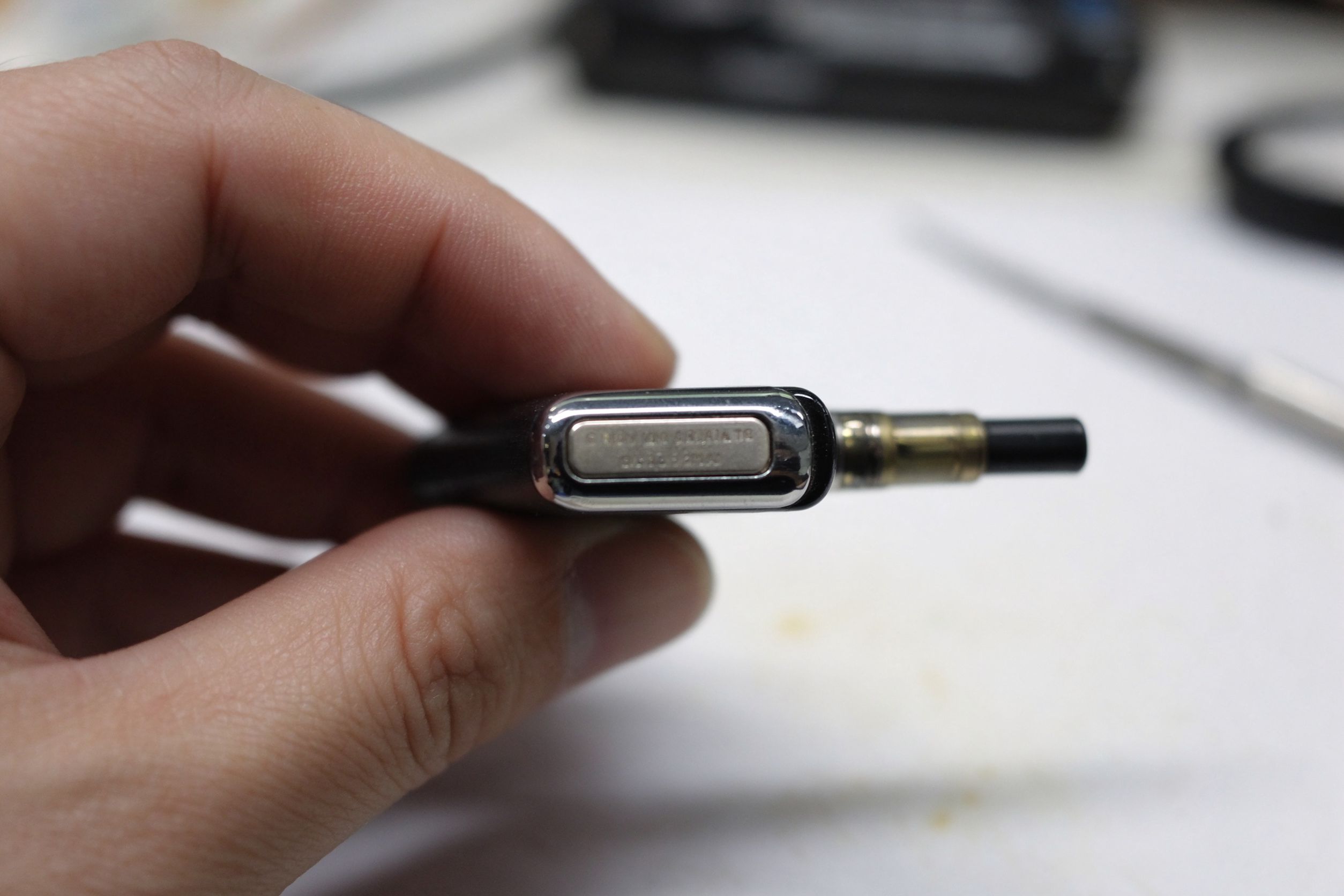
Devices with replaceable cells. Typical formats are the 18650 and the larger 21700. Here the ratings are printed on the wrap, and the wrap is the only thing between you and a short circuit.
What mAh actually measures
Milliamp-hours is capacity, not power. A 3,000 mAh cell and a 2,500 mAh cell can deliver the same wattage; the larger one simply lasts longer between charges. This is the number sellers lead with because it is the easiest to inflate and the least relevant to safety.
The number that governs safety is the continuous discharge rating — how many amps the cell can supply without overheating. A regulated device's board asks for a known current at a given wattage; a cell with an honest 20-amp rating handles most single-cell use comfortably, while a cell rated "40A" on the wrap is usually a 15–20A cell with optimistic labelling.
Practical rule: buy cells from vendors who publish independent test data, treat inflated amp claims as a warning, and never buy a cell whose only specification is printed by the seller.
The wrap is a safety device
A torn or peeling wrap exposes the metal can, and the can is connected to one terminal. Anything metal touching it — keys, coins, a loose mod body — completes a circuit. A cell with a damaged wrap is a cell you stop using, full stop. Rewrapping is cheap; it is not a cosmetic repair.
Related: do not carry loose cells in a pocket with metal, do not stack cells in a device not designed for it, and do not charge a cell that has been dropped hard or that smells of solvent.
Signs a cell is finished
It charges far faster than it used to and discharges far faster too. It gets warm during charging when it previously did not. Output sags under load that it used to handle. The wrap discolours near the positive end. Any one of those is a reason to retire it; the combination is a reason to retire it today. Cells are consumables with a finite cycle life, not permanent equipment.
Charging behaviour that shortens life
Leaving a cell at full charge for weeks, discharging it to cutoff every cycle, and charging at high current all cost cycle life. For devices used daily, none of this matters much. For a device kept in a drawer, storing at partial charge is the difference between a cell that works in six months and one that does not.
Disposal
Lithium cells do not belong in household waste. Tape the terminals and take them to a battery recycler or a shop that accepts them. A sealed disposable is also a lithium device; the same rule applies, and most municipal programmes will take them if the terminals are taped. This is the one part of battery ownership that has an unambiguous correct answer.
Where this shows up in daily use
Most "my vape hits weak" complaints are a discharged cell, not a broken device — that diagnosis is in why your vape hits weak. Sealed-device heat handling and the stop-using signs are in vape battery safety.
More in the series: Disposable Vapes: the complete guide. Also worth reading: Box Mods and Vape Mods, 50,000-Puff Devices, Cold Weather Vaping, How We Review Vapes, Same E-Liquid, Two Devices, Vape Flavour Bans 2026, Cheap Pod vs Premium Pod.
For adults 21+. Nicotine is an addictive chemical. Specifications change between revisions; verify the pack. Product information, not medical advice.