Summary: Heating instead of burning is the whole story. Four parts of every device, four ingredients in every liquid, and what the aerosol contains.
Vaping is the act of inhaling an aerosol produced by heating a liquid, rather than smoke produced by burning tobacco. That single mechanical difference — heating versus combustion — explains almost everything else about the category: why the device looks the way it does, why the liquid has the ingredients it has, why the health conversation is different from the one about cigarettes, and why the regulation is a mess.
The four parts every device has
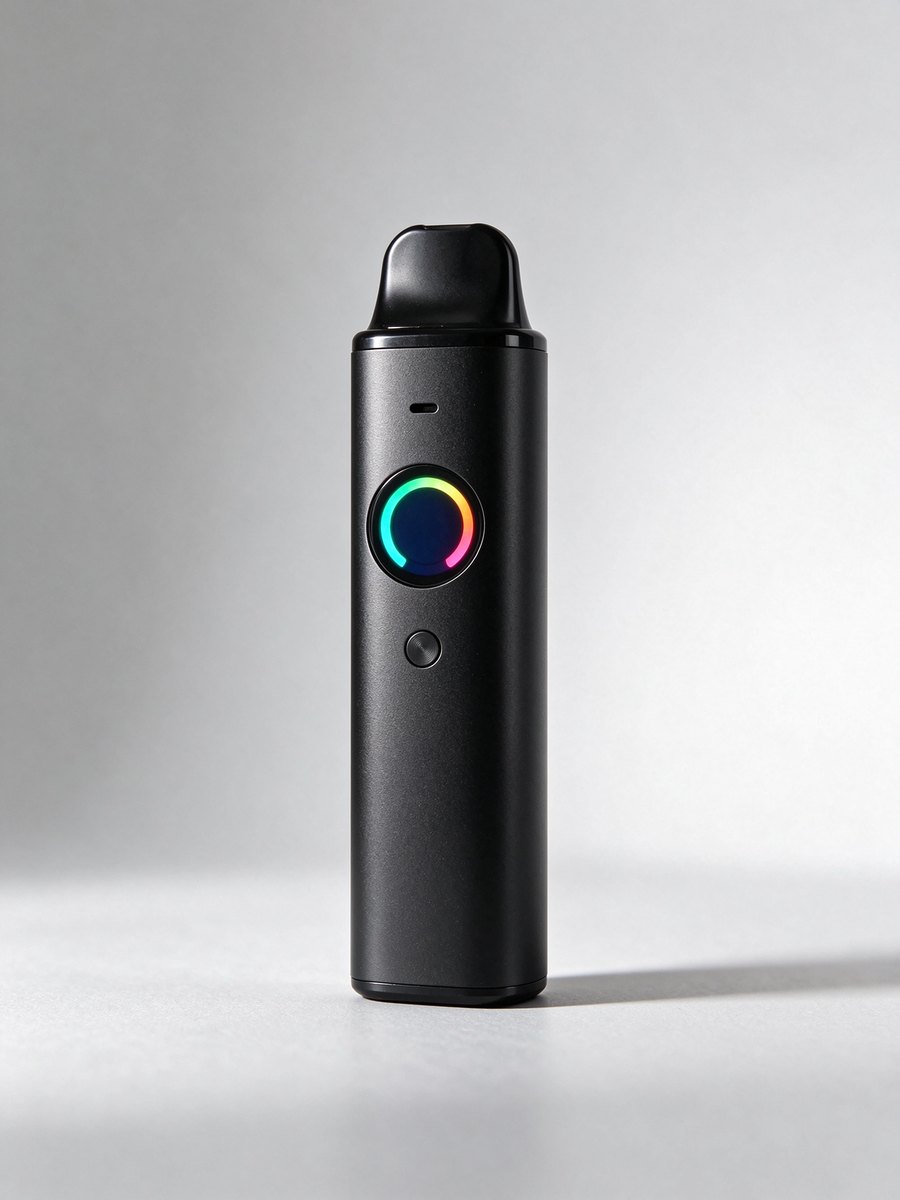
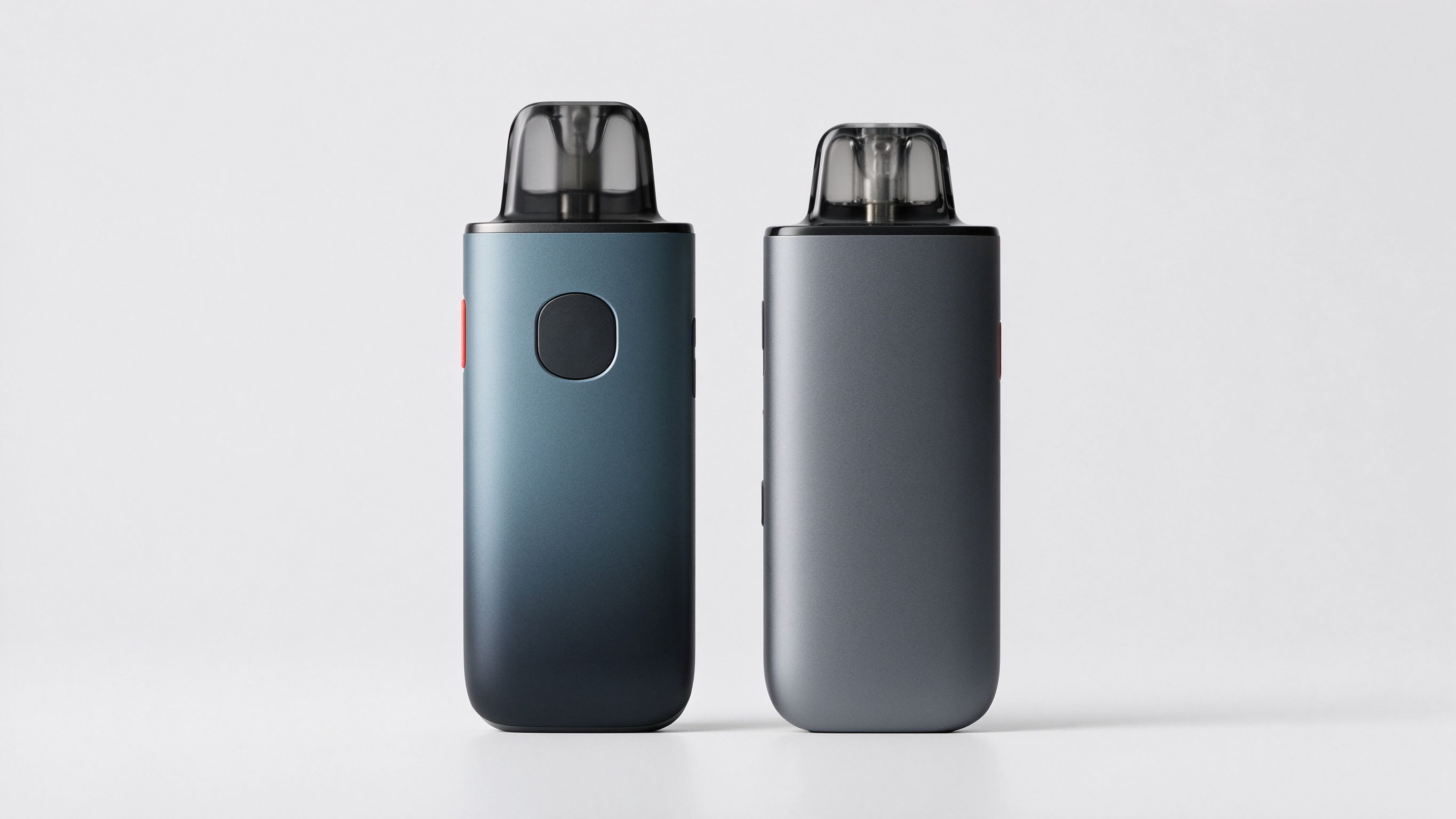
Whatever the shape, a vapour product is four components doing four jobs.
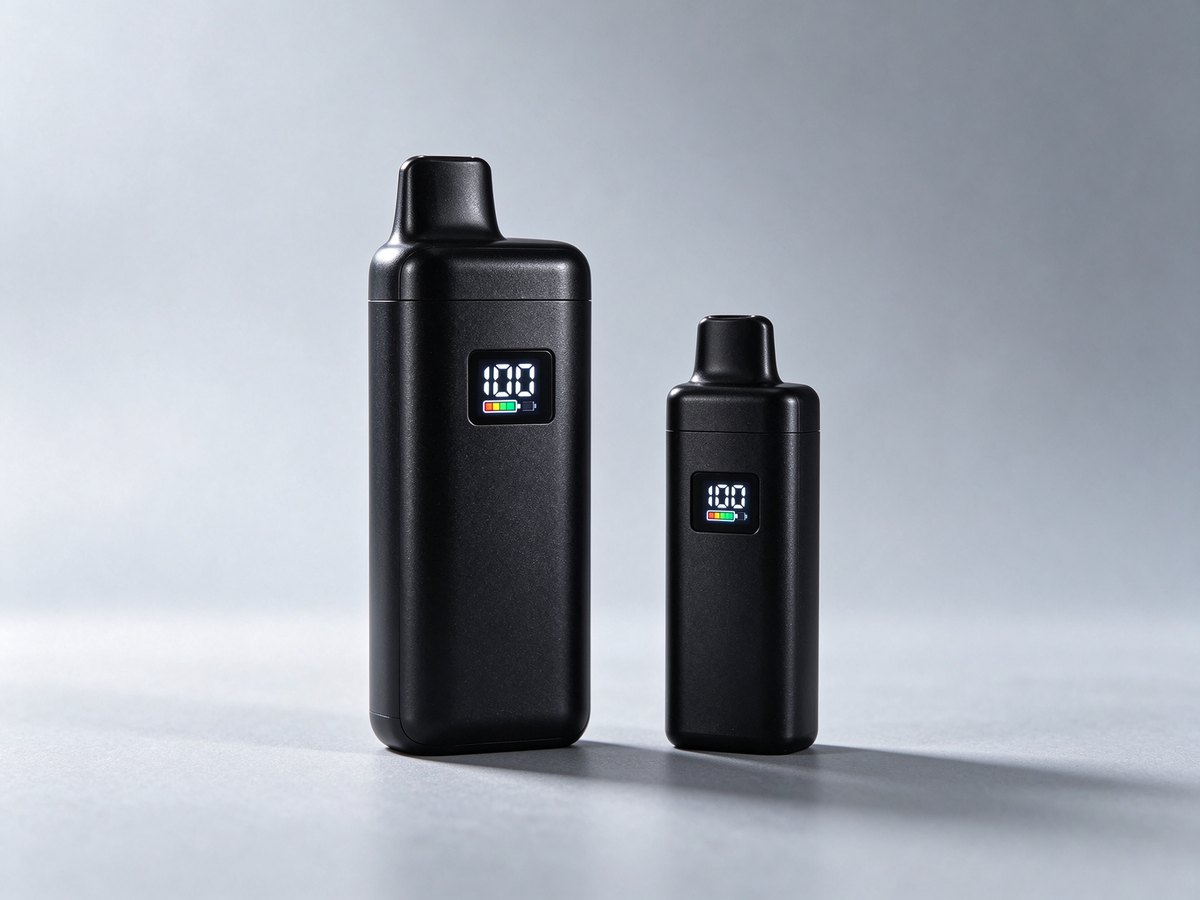
The cell. A lithium battery, usually 300 to 1,500 mAh in a pocket device. It sets the power ceiling and, in sealed devices, it is also the part that fails first in daily use.
The coil and wick. A resistive element wrapped around or pressed against cotton. The wick draws liquid to the coil; the coil vaporises it. Mesh coils, now standard, spread heat over more surface than a wire coil and hold flavour longer. This component determines how a device tastes on day one versus day ten.
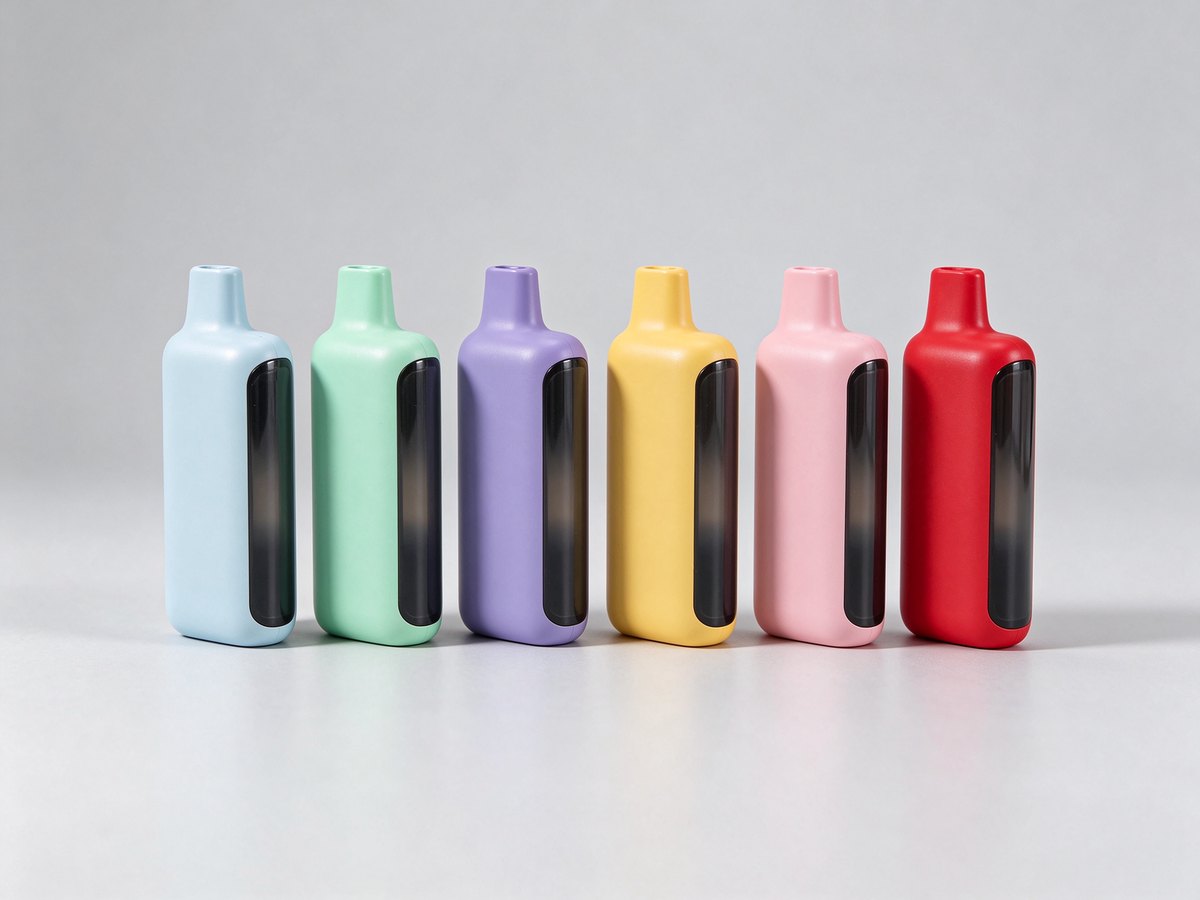
The cartridge. Holds the liquid. In a pod system it is replaceable; in a sealed disposable the whole device is the cartridge, which is why sealed devices have a finite life and no maintenance.
The airflow path. The mouthpiece, the inlet, and the chamber between them. Airflow, not wattage, is what most people are actually adjusting when they say a device "hits differently".
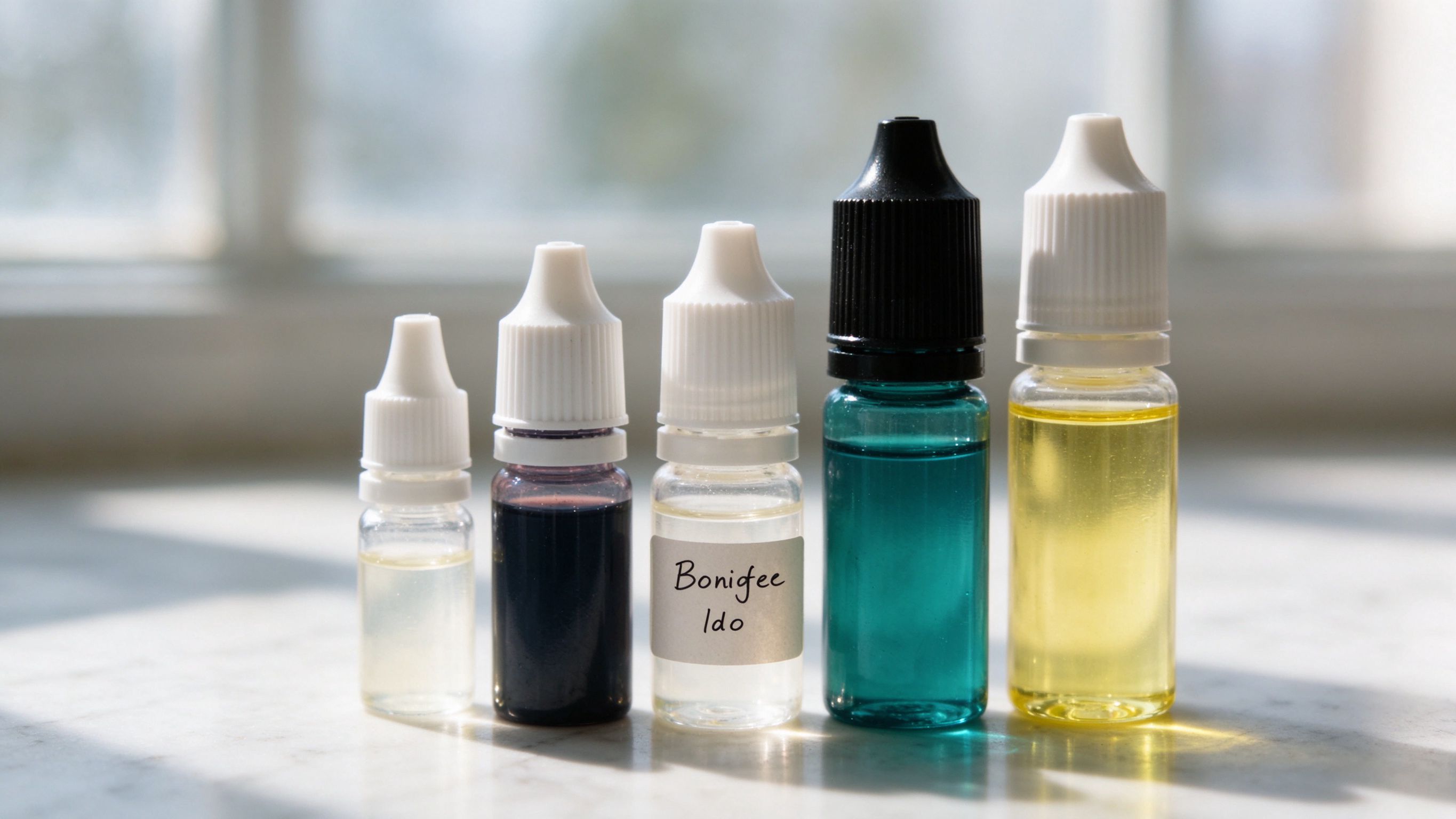
What is in the liquid
Four categories of ingredient, in roughly descending order of volume: propylene glycol and vegetable glycerin as the carrier, nicotine in one of two chemical forms, flavourings, and sometimes a cooling agent such as WS-23 or menthol.
PG carries flavour sharply and produces throat hit; VG produces vapour volume and smoothness. Ratios from 50/50 to 30/70 change the experience more than most people expect, which is why the ratio discussion deserves its own piece (PG versus VG).
Nicotine comes as freebase, which hits slower and harder in the throat, or as a salt, which is smoother at the same strength. A 5% disposable is 50 mg/mL, which is a high concentration by any historical standard and exists because it is what makes a small device satisfy a heavy smoker (nicotine strength explained, salt versus freebase).
What you actually inhale
Not water vapour — the visible cloud is aerosol: liquid droplets and dissolved gases. It does not contain the tar or carbon monoxide that combustion produces, which is the basis for the claim that vaping is less harmful than smoking. It does contain ultrafine particles, flavourings, and nicotine, and the long-term effects of inhaling those repeatedly are not established. Anyone telling you either "it is safe" or "it is as bad as smoking" is overshooting the evidence.
The three device families
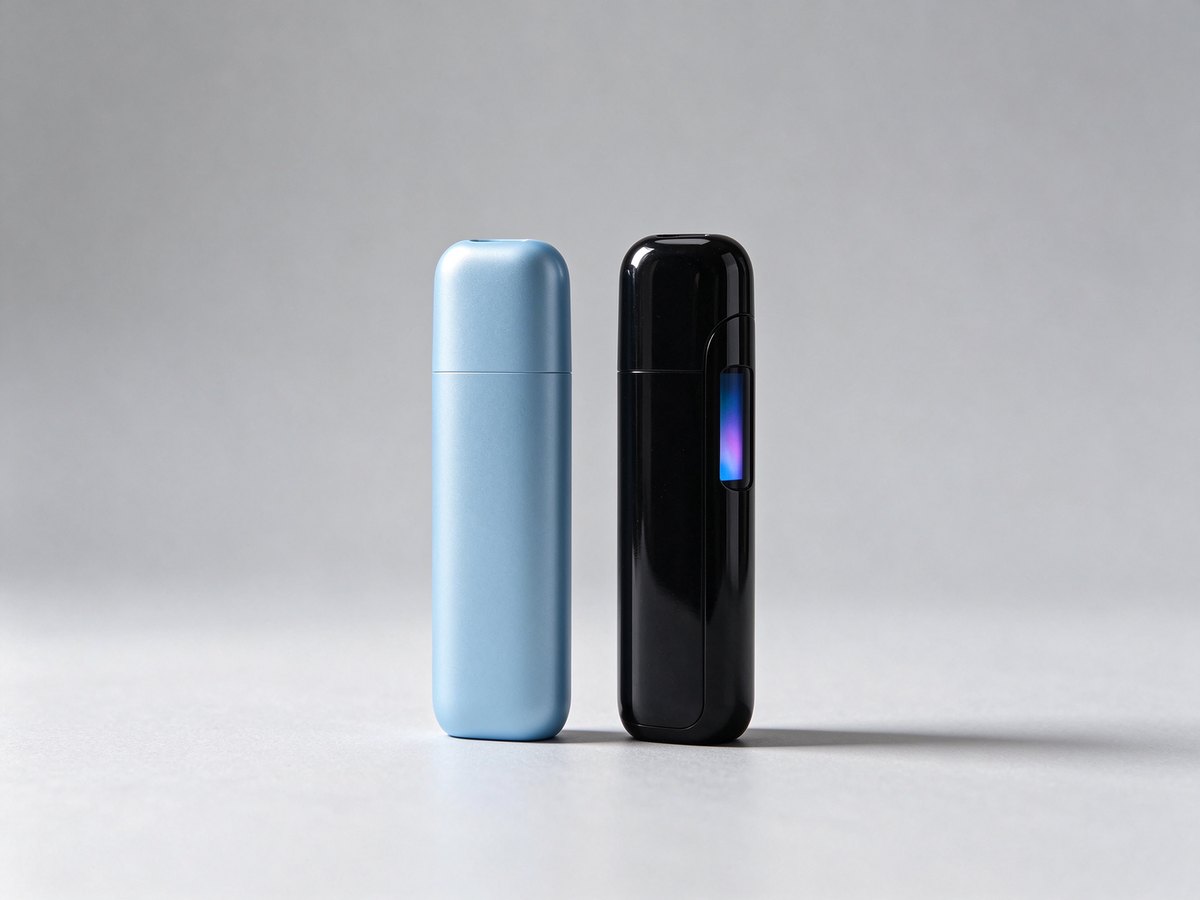
Sealed disposables. One piece, no refilling, no coil changes, life measured in days. The dominant format in the US market and the cheapest entry point (the full disposable guide).
Pod systems. A rechargeable body with replaceable or refillable pods. Higher upfront cost, much lower running cost, and the format most people land on if they stay with vaping (closed versus open pod).
Box mods and rebuildables. Separate cell, tank, and coil. Higher power, more control, more things that can go wrong. Rarely the right first purchase (first device guide).
Three things vaping is not
It is not an FDA-approved smoking cessation medicine. No vapour product has that authorisation, and a US seller cannot legally market one as a quit aid — a statement about authorisation, not about the trial evidence (what PMTA means, what the research says).
It is not harmless. Nicotine is addictive, the aerosol is not clean air, and the devices themselves introduce battery and heating risks that cigarettes do not have (battery safety).
It is not one thing. A 5% disposable, a refillable pod at 12 mg, and a 60-watt mod produce very different exposures, and treating them as a single category is why public argument about vaping goes nowhere.
Where to go next
If you are trying to work out whether to start, read the first week off cigarettes and the withdrawal timeline first — they describe what the transition actually feels like, which is the part marketing never covers.
If you already vape and want to understand your device, read how to read a vape label and the main guide for whichever format you own.
The basics series
- How to choose your first vape
- Nicotine strength: mg/mL, percentages and what they mean
- Nicotine salt versus freebase
- How to read a vape label
- Switching from cigarettes: the first week
- PG versus VG: what the ratio changes
- The nicotine withdrawal timeline
- Do vapes help you quit smoking? What the research says
- What the FDA PMTA process means for buyers
More in the series: What Is Vaping: the basics series. Also worth reading: First Vape Guide, Nicotine Strength, FDA PMTA Explained, Nicotine Salt vs Freebase, How to Read a Vape Label, Switching From Cigarettes, PG vs VG.
Related: state rules on where vapes can be sold — device basics are here; the legal side is decided per state.
For adults 21+. Nicotine is an addictive chemical. This is product information, not medical advice, and not a legal opinion; rules differ by state and change often.