Summary: The PG/VG ratio decides throat hit, cloud size, coil life and whether your pod leaks. A plain explanation with no chemistry.
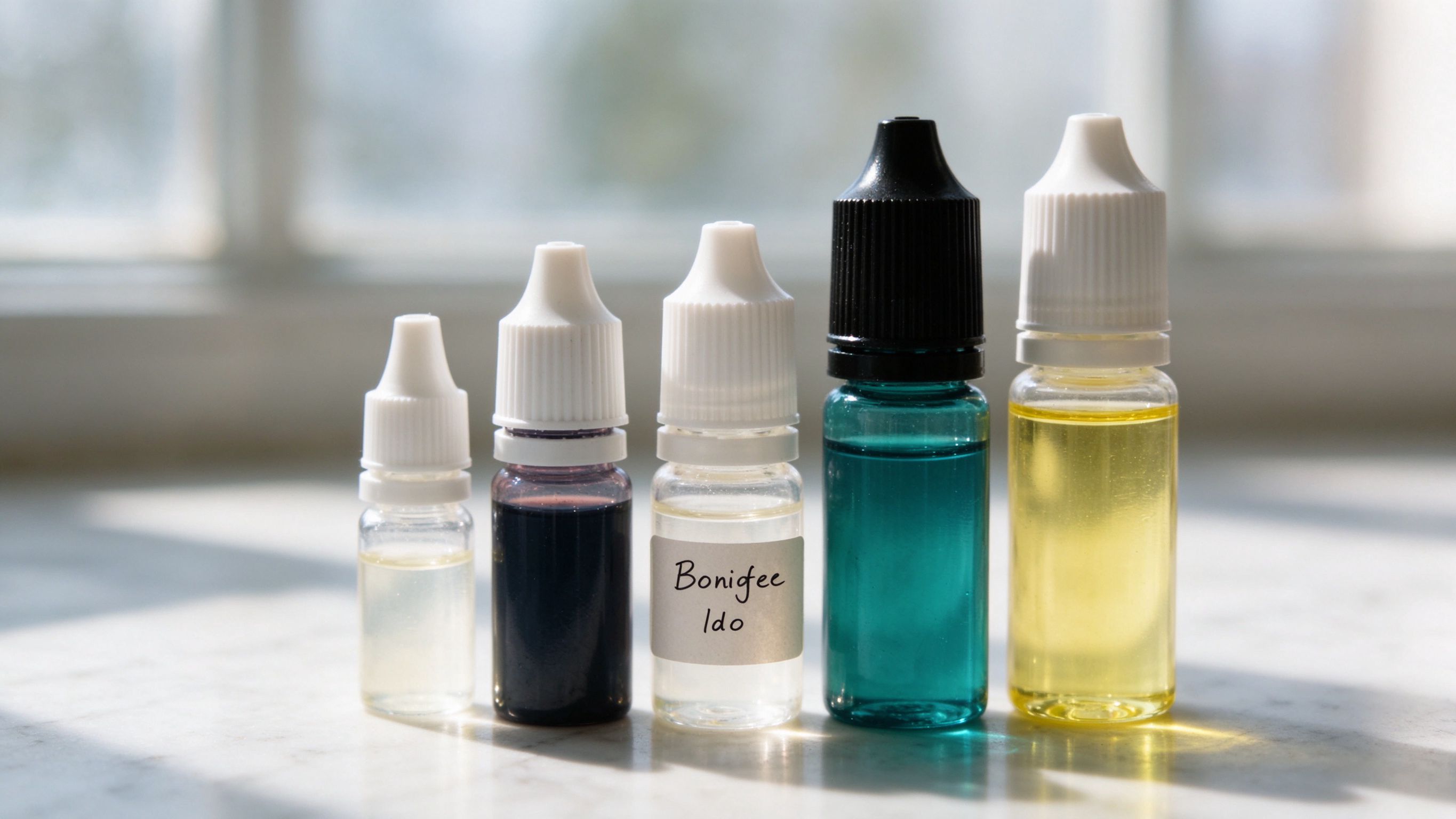
Every bottle of e-liquid is mostly two ingredients: propylene glycol (PG) and vegetable glycerin (VG), plus nicotine, flavourings and usually a little distilled water. The ratio between those two decides almost everything about how the vape feels — and it is the specification buyers check least often, which is why so many people end up with liquid that does not suit their device.
What PG does
PG is thin, carries flavour sharply and delivers throat hit. It also wicks quickly, which is why high-PG liquid suits small coils and low wattage. The trade-off: more throat hit means more irritation for someone who wants a smooth draw, and some people are mildly sensitive to PG, reporting dryness or a scratchy throat.
What VG does
VG is thick, slightly sweet, produces dense vapour and is much smoother on the throat. It wicks slowly. That is the entire reason high-VG liquid belongs in high-wattage devices with large wick openings — a 70% VG blend in a small pod simply cannot feed the coil fast enough and produces dry, burnt hits.
The common ratios and who they are for
50/50 PG/VG. The default for pod systems and beginner devices. Good flavour, moderate clouds, reliable wicking, decent throat hit. If you are unsure, this is the safe answer.
60/40 or 70/30 VG-heavy. Sub-ohm tanks and higher wattage. Smoother, bigger clouds, needs more power and a coil designed for it.
70/30 PG-heavy. Uncommon now, mostly found in older high-nicotine formulations and some tobacco profiles. Strong throat hit, thin vapour — closest to a cigarette sensation, and harsh for many people.
How the ratio affects your coil
Thick liquid shortens coil life because the cotton has to work harder to stay wet. If you use 70/30 in a pod, the coil carbonises faster and you will replace pods more often — the money you save on liquid gets spent on hardware. Match the liquid to the device rather than the other way round.
How it affects your throat
If the vape feels harsh, most people assume the nicotine is too strong and buy a weaker bottle. Often the ratio is the culprit: dropping to a VG-heavy blend or lowering nicotine slightly will smooth it more than a strength change. If instead the vape feels airy and flavourless, a higher PG share brings flavour forward.
Does the ratio change health risk?
Both PG and VG are approved food and pharmaceutical ingredients and both are inhaled in consumer products, but neither is risk-free when heated and inhaled, and long-term inhalation data is limited for both. There is no established basis for choosing one ratio over another for health reasons. Choose for how it performs in your device.
Bottom line
PG carries flavour and throat hit and wicks fast. VG makes clouds and smoothness and wicks slowly. 50/50 suits pods, VG-heavy suits high-wattage hardware, and mismatching the two is the most common cause of both burnt hits and disappointing flavour.
Two supporting reads: Salt Nicotine vs Freebase and Choosing a Nicotine Strength.
For adults 21+. Nicotine is an addictive chemical. Vaping is not an FDA-approved smoking cessation product.
More in the series: What Is Vaping: the basics series. Also worth reading: The Nicotine Withdrawal Timeline When You Switch to Vaping, Do Vapes Help You Quit Smoking? What the Research Says, E-Cigarette vs Vape, First Vape Guide, Nicotine Strength, FDA PMTA Explained, Nicotine Salt vs Freebase.