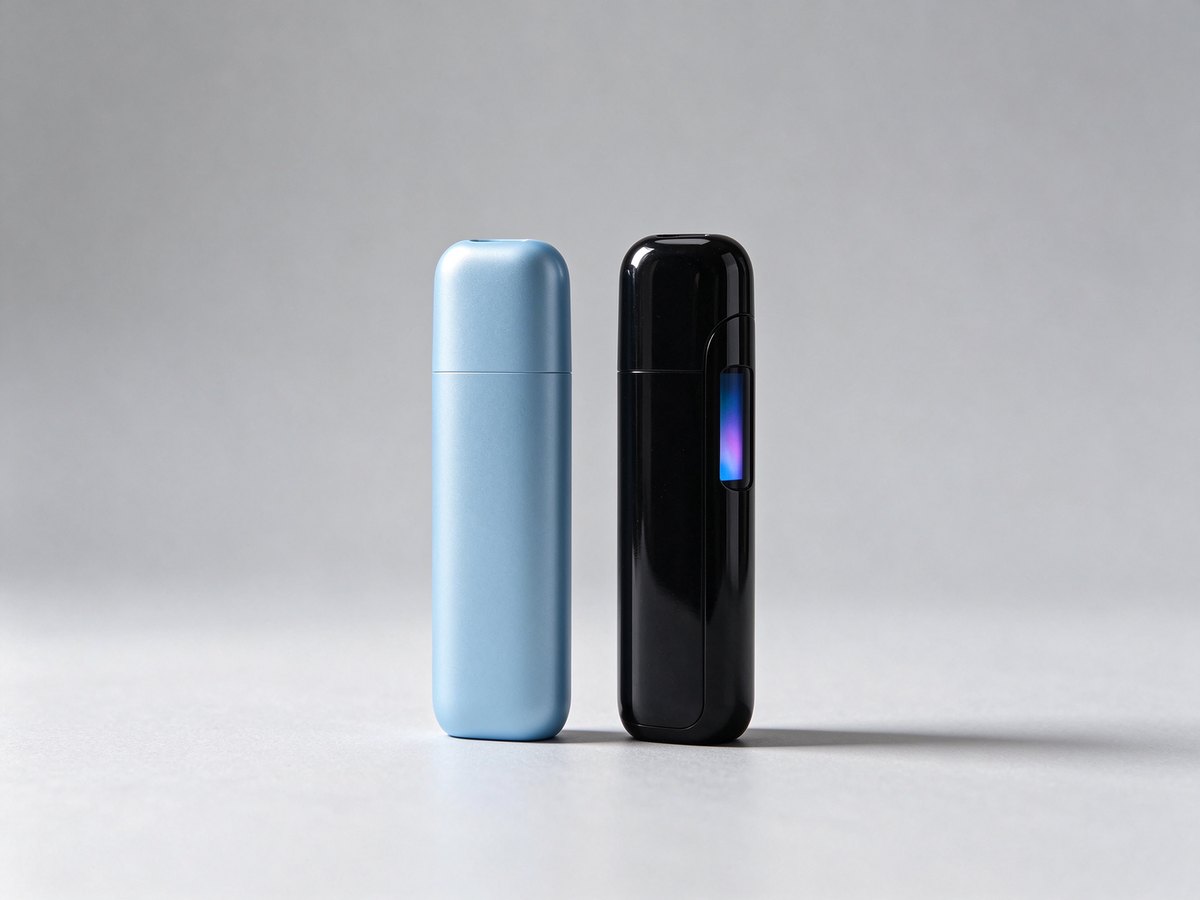
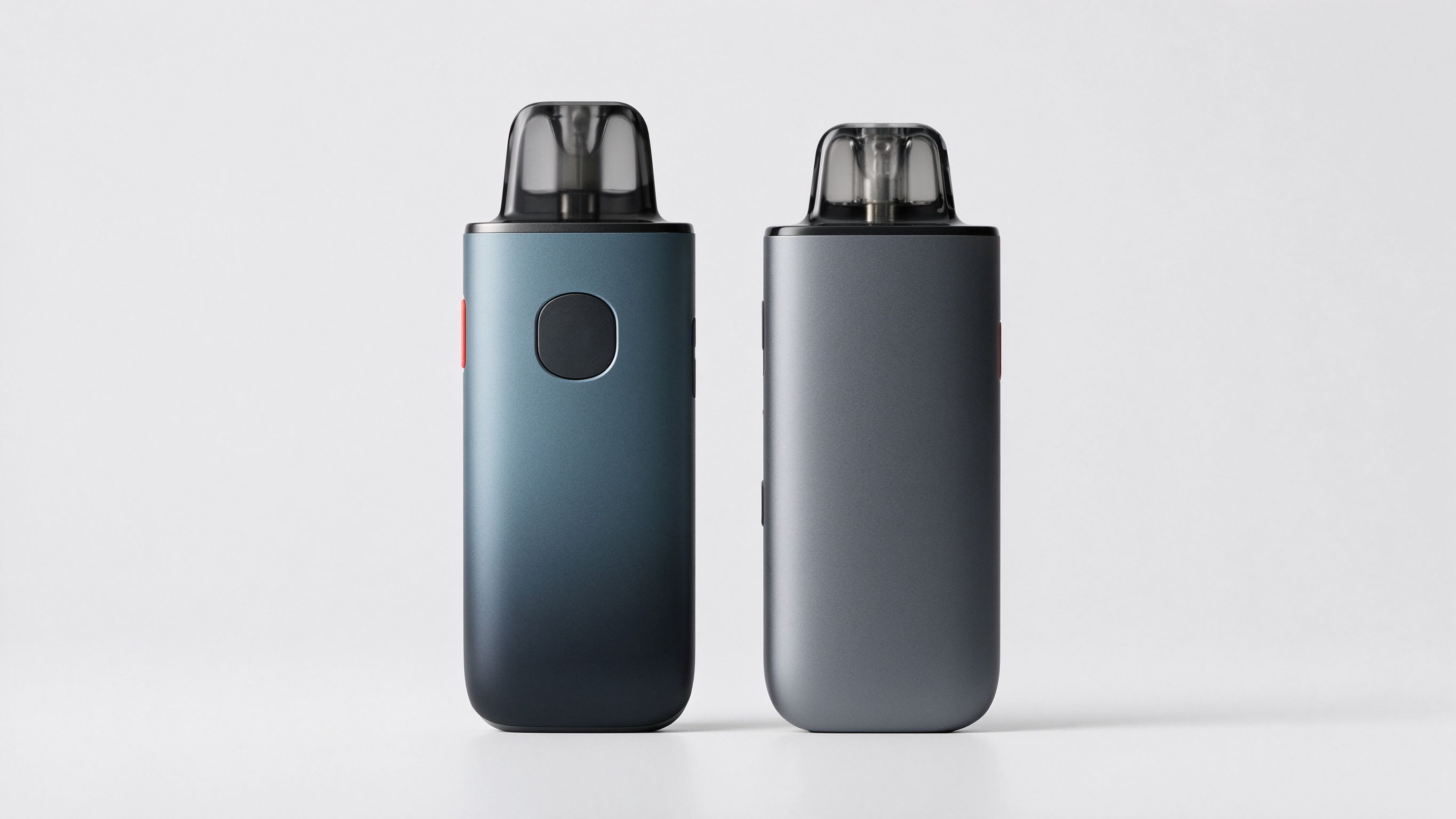
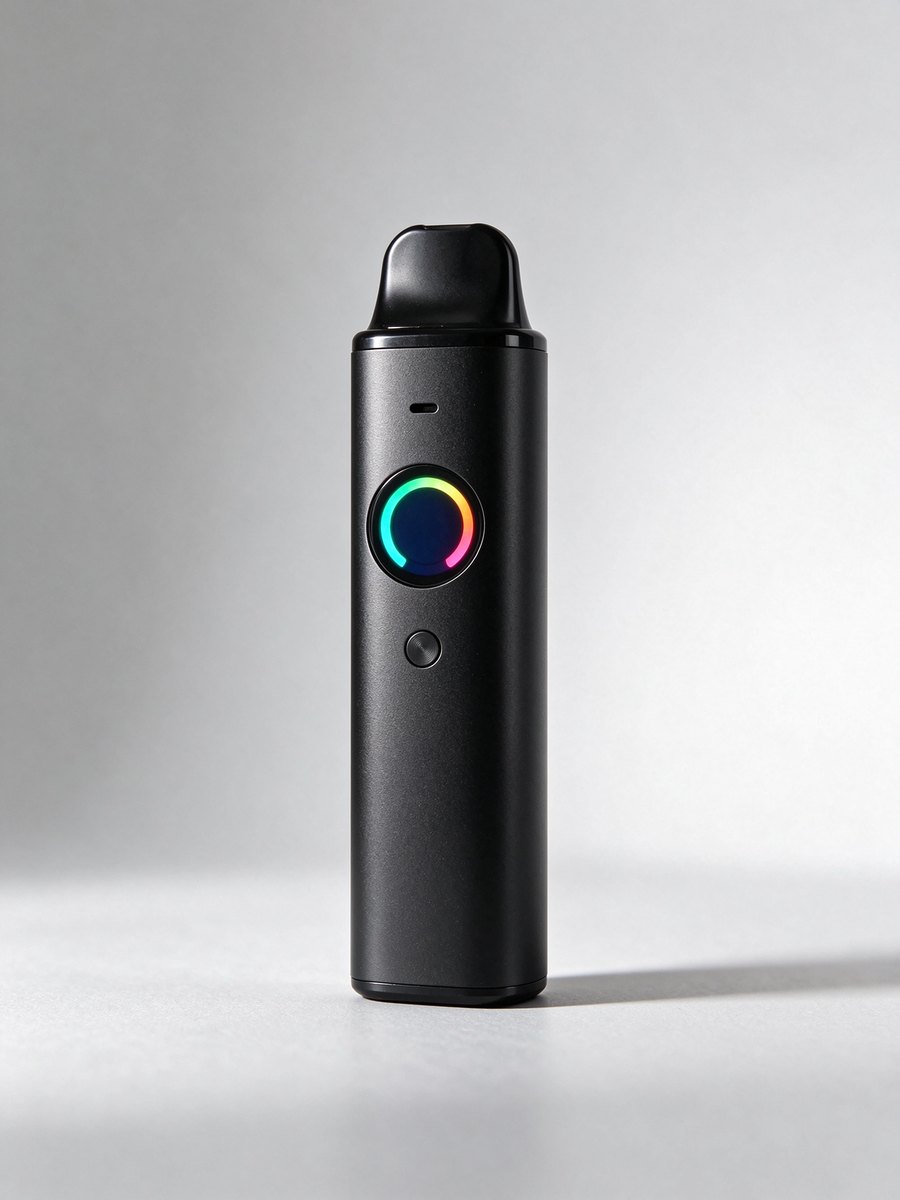
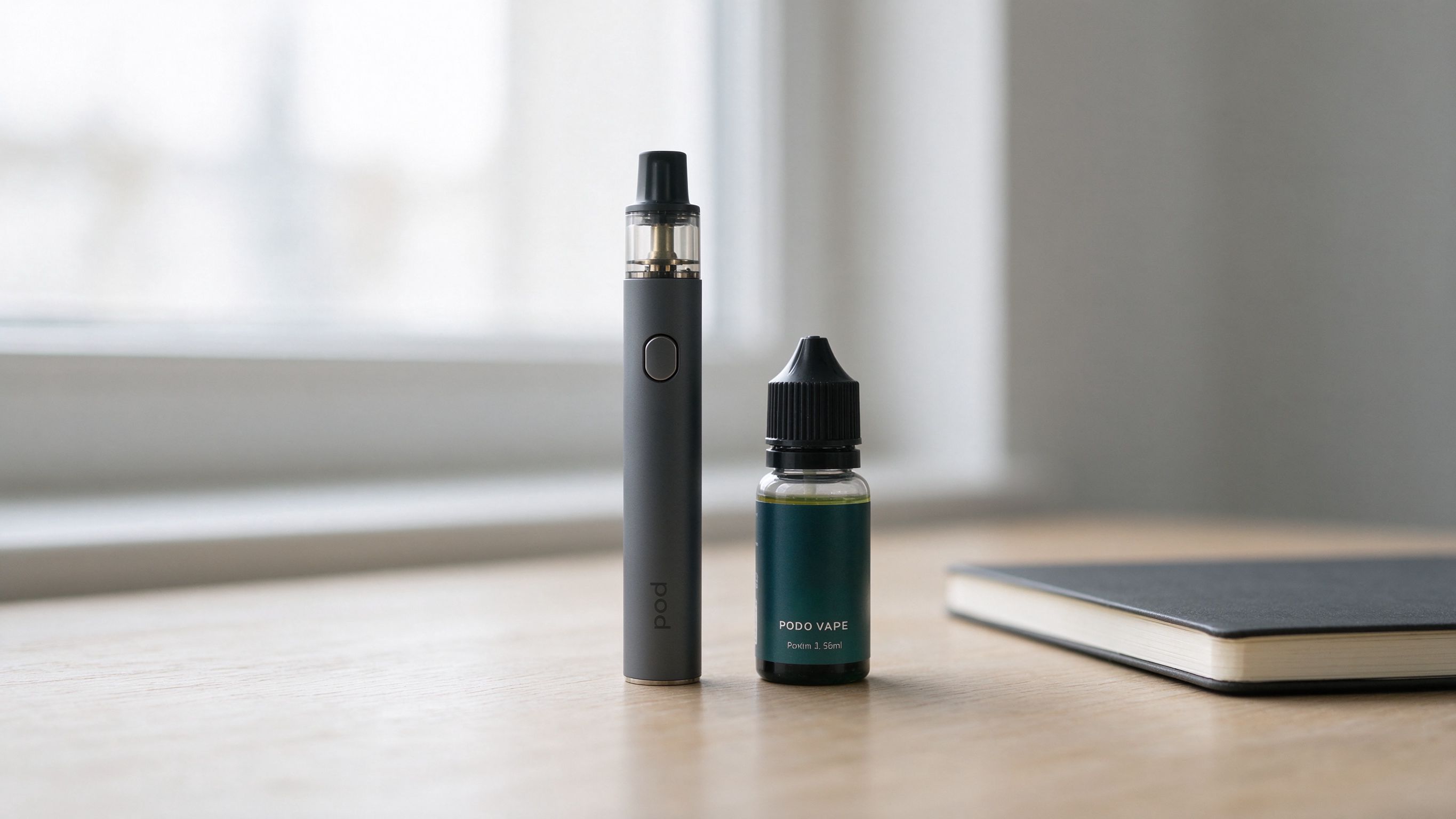
Summary: Same device, different words. The one case where the legal difference changes what you can buy in 2026, in under 400 words.
There is no hardware difference between an e-cigarette and a vape. The distinction is vocabulary, and vocabulary matters in two places: in law, and in how people find information. Understanding which is which saves you from misreading a product page, a statute, or your own search results.
Where the words come from
E-cigarette is the older term, coined when the first commercial products were designed to look like cigarettes — white tube, brown mouthpiece, glowing tip. It belongs to the era when the pitch was explicitly "this replaces a cigarette". Regulators, health agencies and academic literature still use it, along with the formal "electronic nicotine delivery system" (ENDS).
Vape arrived with the second generation: devices that no longer looked like cigarettes, liquids that no longer tasted like tobacco, and a culture that was not about quitting. It is the colloquial word, and it now covers everything from a $15 sealed disposable to a 200-watt box mod.
So the short answer to "what is the difference" is: e-cigarette is the regulatory and historical word, vape is the popular word, and both describe the same mechanism — heating a liquid to produce an aerosol.
Where the distinction becomes real
In law. US federal law uses "electronic nicotine delivery system" and state statutes use a patchwork of "vapor product", "electronic cigarette", "alternative nicotine product" and "ENDS". These definitions are not identical, and the differences decide which tax applies, whether a flavour restriction covers the product, and whether online sale is permitted. A device that is a "vapour product" in one state may be caught by a different definition in another. This is why any article claiming a single national rule for vaping is wrong, and why the shipping piece (US shipping rules) is organised state by state.
In retail compliance. A US seller cannot describe any of these products as a smoking cessation aid, because none has that authorisation. So you will see "e-cigarette" used in legal text and never in marketing copy, where "vape" does the work. If a product page calls itself an "FDA-approved e-cigarette", that is a compliance red flag, not a feature.
In search behaviour. People who search "e-cigarette" are often older, often looking for a cigarette substitute, and often comparing against nicotine replacement. People who search "vape" are broader — hobbyists, flavour chasers, and smokers who have already switched. If you are writing or reading about switching from cigarettes, "e-cigarette" language tends to surface the clinical material, and "vape" tends to surface retail material.
What is genuinely the same
Components: cell, coil, wick, cartridge, airflow. Liquid: propylene glycol, vegetable glycerin, nicotine, flavourings. Mechanism: vaporisation, not combustion. Health profile relative to cigarettes: no tar, no carbon monoxide, but not clean air. Legal status in the US: authorisation required, most products unauthorised (PMTA explained).
What people usually mean when they ask
Most of the time the real question behind "e-cigarette vs vape" is one of these three:
"Is the thing that looks like a cigarette different from the thing that does not?" No. Cigarette-shaped devices are simply an older industrial design. The internals are the same idea.
"Is one of them safer?" No. Safety is a function of power, liquid, nicotine concentration and how the device is maintained, not of the word on the box. A low-power pen and a 200-watt mod are both "vapes" and are not comparable exposures.
"Which one is legal?" Neither category is blanket-legal or blanket-illegal. Authorisation is per product, and state restrictions are per state.
The practical takeaway
When you read a product page or a statute, translate both words to "nicotine vapour product" and then look for the three things that actually differ between products: liquid volume, nicotine concentration, and coil format. Everything else in the naming is history. If the terminology is what is confusing you, the plain-language explanation of what the device does is in what is vaping, exactly.
More in the series: What Is Vaping: the basics series. Also worth reading: First Vape Guide, Nicotine Strength, FDA PMTA Explained, Nicotine Salt vs Freebase, How to Read a Vape Label, Switching From Cigarettes, PG vs VG.
For adults 21+. Nicotine is an addictive chemical. Specifications change between revisions; verify the pack. Product information, not medical advice.