Summary: A part-by-part breakdown of what the extra money buys in a pod device, what it does not buy, and the 90-day cost-per-day maths that settles the decision.
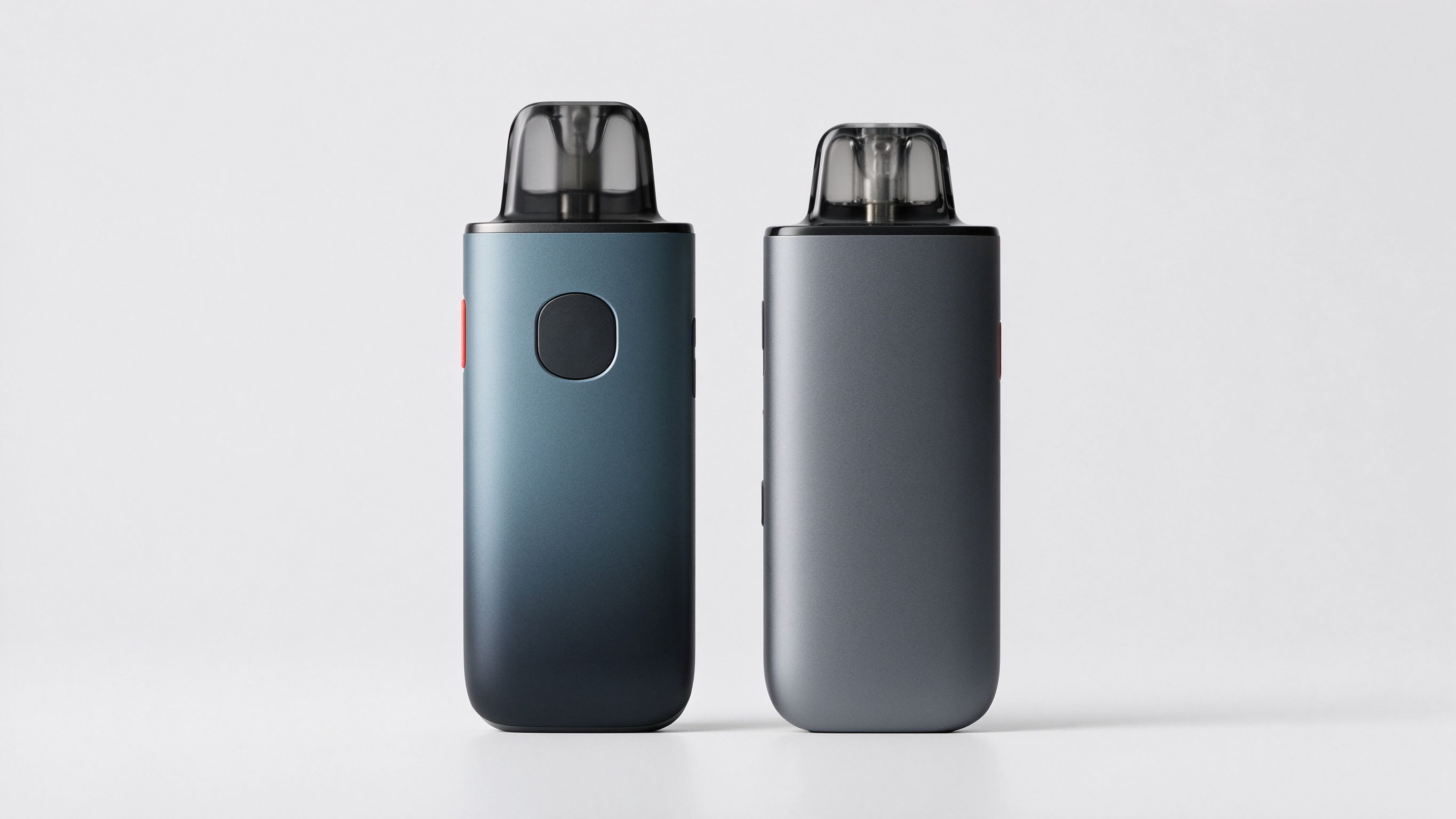
A $20 pod and a $50 pod often look identical in a photo and both claim the same output. The difference is in parts you cannot see until they fail: the airflow path, the sealing geometry, the cell, the chip, and how consistent the coils are batch to batch. Some of that is worth paying for. A few of the usual premium claims are not worth anything at all.
This is the part-by-part version, with what each upgrade actually changes in daily use. More side-by-side device comparisons are in comparisons.
What the extra money usually buys
Sealing and airflow geometry
Leak resistance is almost entirely a mechanical design question: how the pod mates with the device, how many sealing surfaces exist, and whether condensate has somewhere to drain. Cheap devices often use a single O-ring and no condensate path, which is why they leak sideways in a bag. This is the upgrade most worth paying for, because leaks are the failure people abandon devices over. If yours already leaks, the fault order in leaks and gurgling tells you whether it is design or handling.
The battery cell
Two devices can both say "1000 mAh". What differs is the cell inside: continuous discharge rating, cycle life after 300 charges, and whether the reported battery percentage tracks the real voltage curve. A cheap cell sags under load, so the device hits weaker as the battery drops even though the gauge says half. The technical side of that is in vape batteries explained.
Coil consistency
Premium pricing often shows up not in a better single coil but in fewer bad ones. Budget pod coils typically vary batch to batch; the same pack can be excellent or harsh. If you replace coils often, consistency is worth more than peak performance, because you are buying a predictable six weeks, not one great day.
Chip and regulation
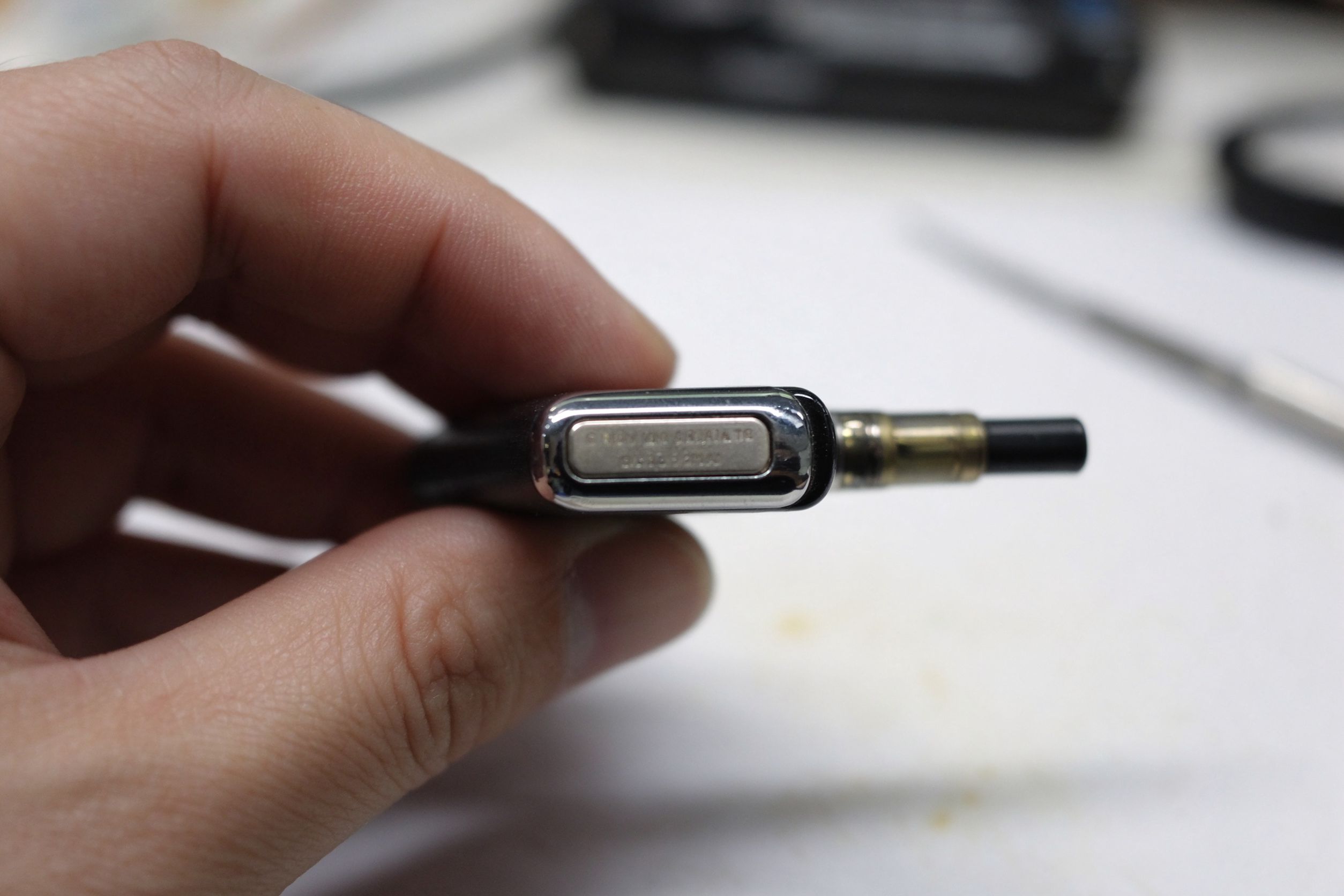
A regulated device with a decent chip holds output steady as the battery drains, cuts off when the coil is dry, and charges safely. A very cheap device may be direct-drive with a rudimentary protection circuit: output drops as the battery falls, and dry hits are your responsibility. That is the difference you feel as "it hits weaker in the afternoon".
What the extra money does not buy
- Better flavour from the same liquid. Flavour is a function of power per coil area, airflow and wick condition. A more expensive device is not a flavour upgrade for a liquid that was already running correctly; the variables are in PG vs VG ratio and coil temperature.
- Health protection. No consumer device reduces risk by price tier. There is no evidence that a $50 pod is safer than a $20 pod, and no manufacturer has that data.
- Longer device life by default. A premium pod with a sealed non-replaceable battery still dies when the cell dies. The life you buy is coil and pod life, not infinite hardware.
- Better legality. Price has nothing to do with whether the product is authorized or legal where you live.
Price per day, worked honestly
Take two plausible setups over 90 days, using the method from our three-year cost comparison:
- Budget pod: $20 device, $12 for a two-pack of pods that each last four days, so roughly 11 pods in 90 days. Consumables ≈ $66. Device may need replacing once if the battery degrades; call it $20. Total ≈ $86.
- Premium pod: $50 device, $18 for a two-pack lasting the same four days each. Consumables ≈ $99. No replacement in the window. Total ≈ $149.
That is about 1.7× the cost, or roughly 70 cents a day more. Whether that is worth it depends entirely on whether the premium device actually fixes something you experienced — leaks, weak draws late in the day, or inconsistent coils. If it does not, you paid extra for a nicer finish.
When cheap is the right answer
Buy the budget device if: you vape occasionally, you want a backup that lives in a bag, or you are still deciding whether you even like the format. Buy the premium device if: you had leaks with the cheap one, you rely on consistent draw strength through the day, or you are replacing coils monthly and want fewer duds. Everything else — the finish, the screen, the packaging — is taste.
More in the series: Disposable Vapes: the complete guide. Also worth reading: Ten-Minute Arrival Check, Geek Bar, Buying Vapes Online in 2026, California Vape Law 2026, New York Vape Rules, Texas Vape Rules, Florida Vape Rules 2026.
For adults 21+. Nicotine is an addictive chemical. Prices vary by state and retailer; this is product economics, not medical advice.