Summary: Eight checks in the first ten minutes, from authenticity to the upside-down leak test, plus what is worth returning.
The worst time to discover a device is defective is three days later, when the return window is closed and you are out of a daily habit. A ten-minute check on arrival catches nearly everything that matters: authenticity, charging faults, sealing faults, and the two failure modes that are dangerous rather than annoying.
Run this in order. Each step takes the device in a different direction, so a failure early saves you the rest. General device guidance is in vaping guides.
Step 1: verify it before you open anything
Check the packaging seal, the batch and serial codes, and whether the scratch-off verification code validates on the manufacturer's own site rather than through a QR code printed on the box. QR codes on counterfeit packaging point to counterfeit verification pages, which defeats the point. If the code does not validate, stop and photograph everything before opening. The wider method is in spotting counterfeit vapes.
Step 2: charge it while you watch it
Plug in and stay in the room for the first full charge. You are looking for four things: whether it charges at all, whether the case gets more than mildly warm, whether the reported charge level rises sensibly rather than jumping, and whether it stops charging when full. A device that gets hot enough to be uncomfortable in the hand, or that continues drawing current after "full", is a return, not a fault to live with. Charging limits and cell behaviour are in vape battery safety.
Step 3: look inside the pod or tank
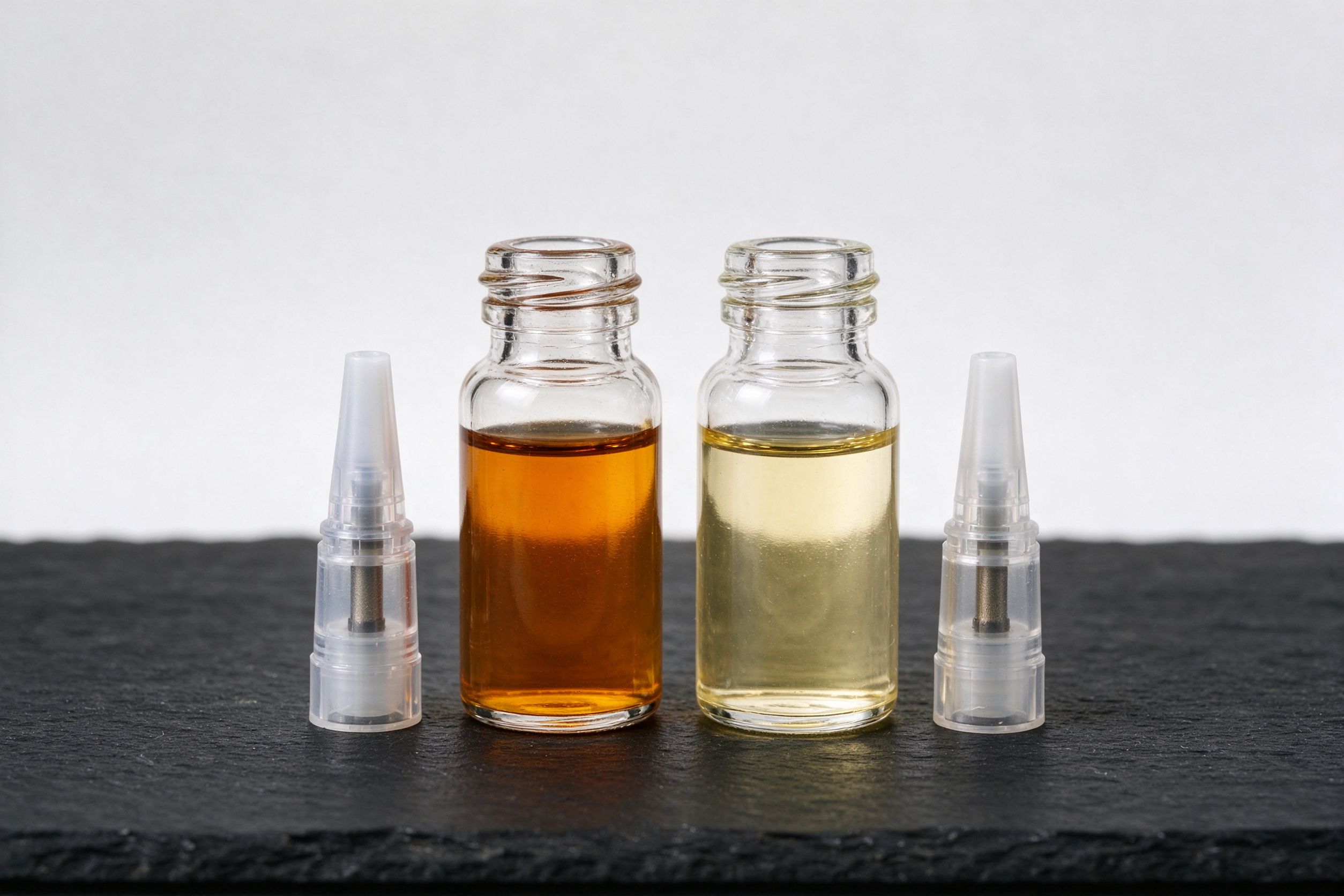
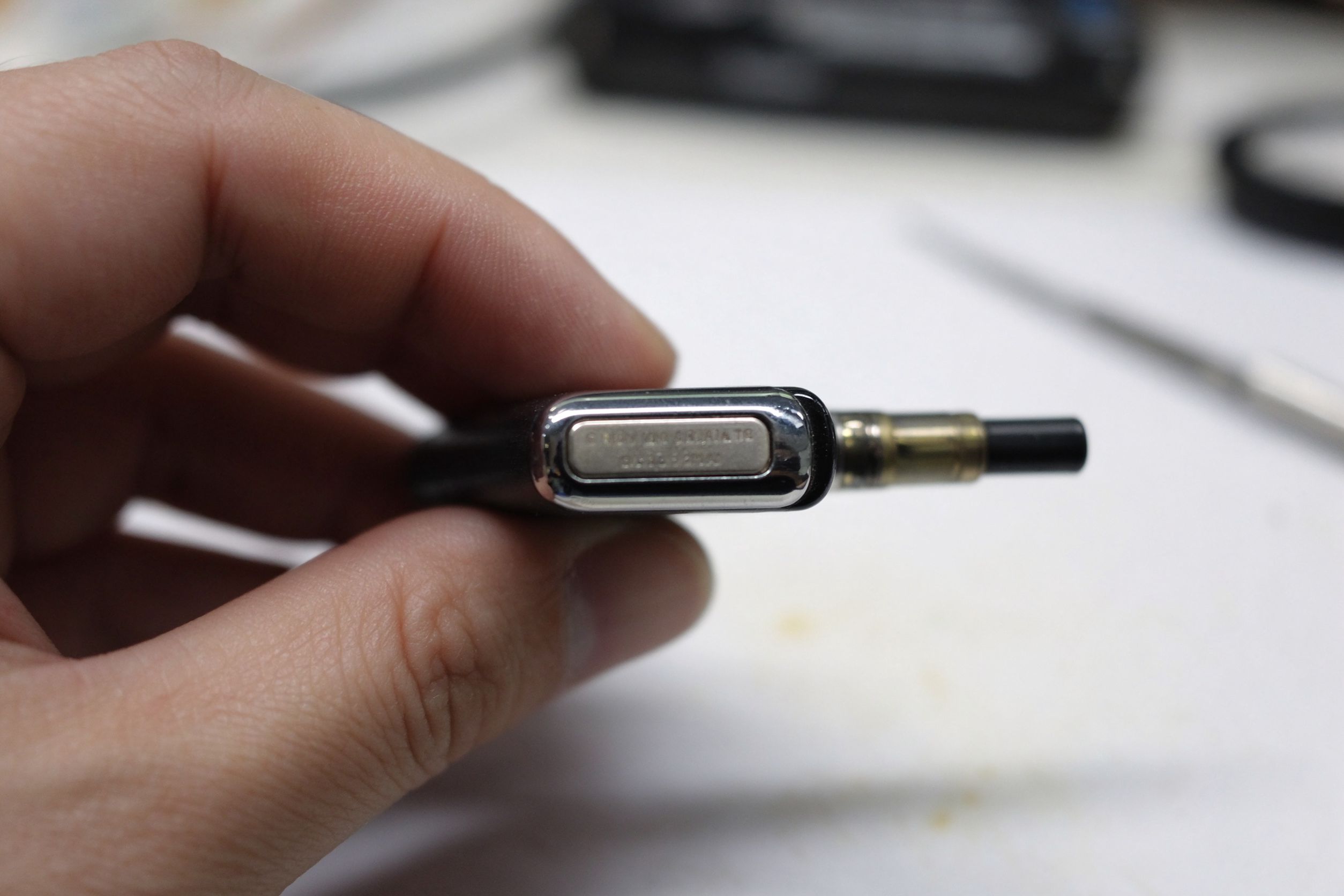
New pod: check that the coil is centred, the cotton is not visibly crushed against the wall, and the contacts are clean and dry. If the pod arrives pre-filled, check the liquid level is where the label claims and that there is no liquid already sitting in the airflow tube. A pre-filled pod that arrives half-empty has been stored badly or has leaked in transit.
Step 4: prime and wait, do not rush
Fill or install the pod, then wait. Five minutes for a small coil, longer for a large mesh coil. Dry puffs before priming are the single most common way people kill a new coil in the first hour, and it is not covered by warranty. If the device has a primer-puff instruction on the box, follow the box: manufacturers design for their own coil, not for a general rule.
Step 5: the first draw, deliberately gentle
Take three short, soft draws rather than one long hard one. Listen: a faint crackle is normal, a sharp popping is usually over-filled, and a harsh dry scrape means the wick is not saturated yet. Stop and wait rather than pushing through; pushing through is how a dry wick becomes a burnt one permanently.
Step 6: the upside-down test
Put the device upside down on a tissue for 30 minutes, then check for liquid on the tissue and in the airflow slot. This is the standard way to catch a sealing fault before it ruins a jacket pocket. A few specks of condensation are normal. A visible drop or a wet airflow slot is not, and it is a valid return reason in the first days. Compare with leaks and gurgling to distinguish design faults from fill errors.
Step 7: check for autofire and gurgle
With the pod installed and the device idle, listen for any hiss or crackle without pressing the button. Then draw without firing. Autofire — the device heating on its own — is the one failure that is genuinely unsafe, and it goes back immediately regardless of the return window. Gurgling on a cold draw usually means liquid in the airway; clear it and retest once.
Step 8: record the numbers now
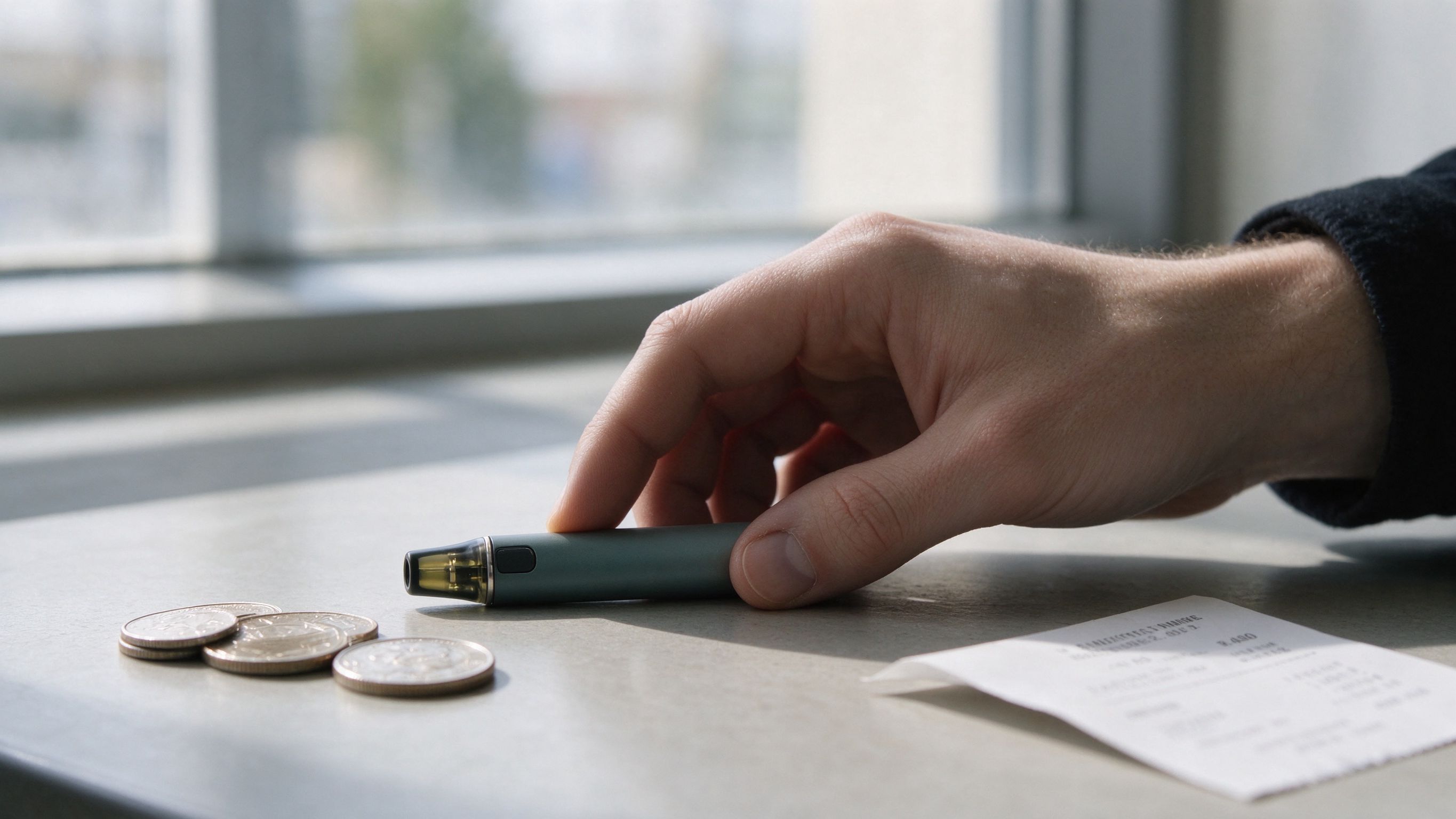
Photograph the serial, the batch code, the receipt, and the packaging. Then write down the date and the puff or day count when you started. Warranty claims are decided on evidence, and the process is much easier when you have the batch code in a photo instead of a drawer full of identical boxes. What manufacturers typically cover, and what they do not, is covered in vape warranty and returns.
What to return, and what not to bother with
- Return immediately: autofire, heat that is uncomfortable to hold while charging, a cell that will not take charge, a pod that leaks upright, a device that will not fire at all.
- Return within the window but mention it: gurgling that persists after clearing, a battery gauge that jumps, coils that taste burnt from the first draw.
- Do not return: a slightly different flavour than you expected, mild condensation at the mouthpiece, or a draw that is tighter than you personally prefer. Those are preference, not defect.
Ten minutes on arrival is cheaper than an argument three weeks later, and it gives you a real basis for judging whether the device is worth buying again.
More in the series: Disposable Vapes: the complete guide. Also worth reading: Geek Bar, Buying Vapes Online in 2026, California Vape Law 2026, New York Vape Rules, Texas Vape Rules, Florida Vape Rules 2026, Illinois Vape Rules.
For adults 21+. Nicotine is an addictive chemical. This is handling guidance, not medical advice. Follow the manufacturer's instructions where they differ from general practice.