Summary: 40,000 against 50,000 rated puffs, $0.96 apart. Where the D20 is verifiable, where the Kolos wins, and how boost mode changes the maths.
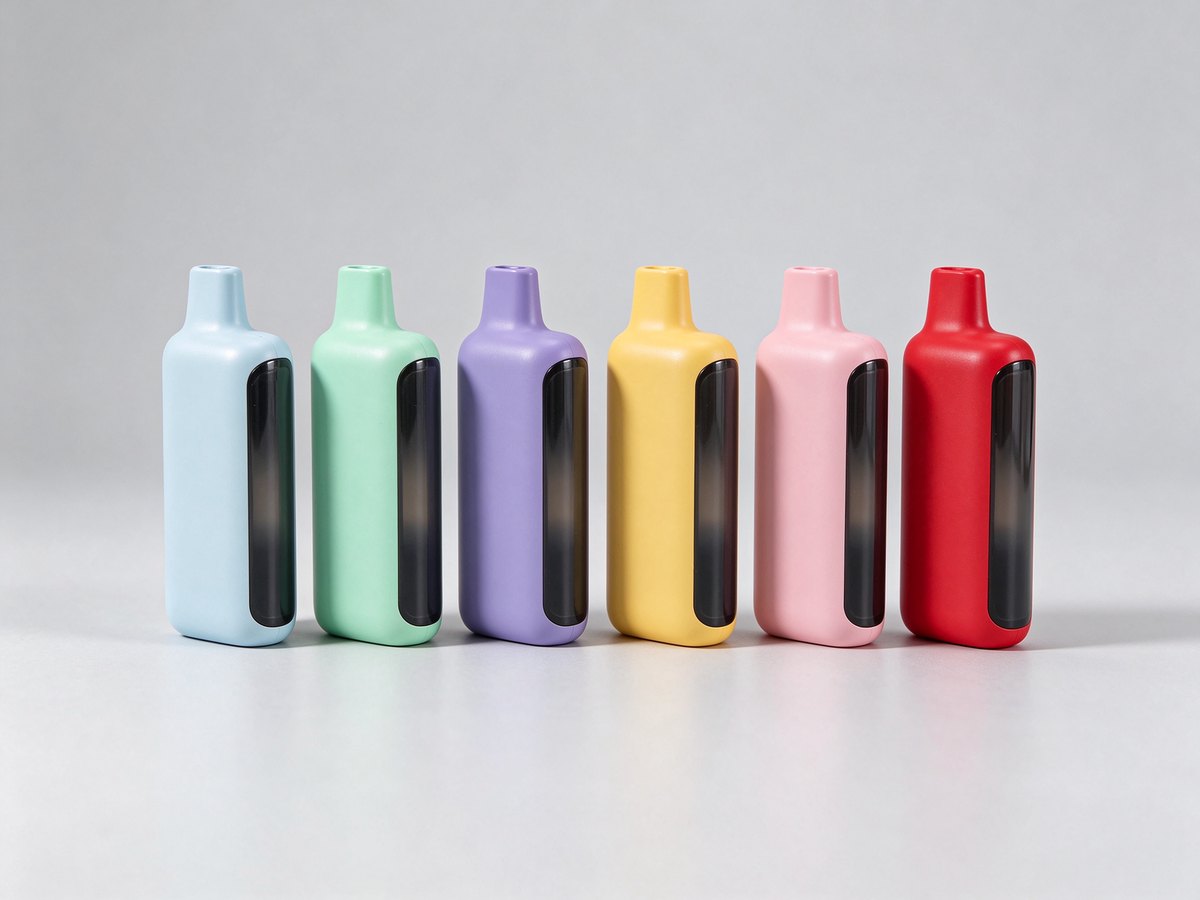
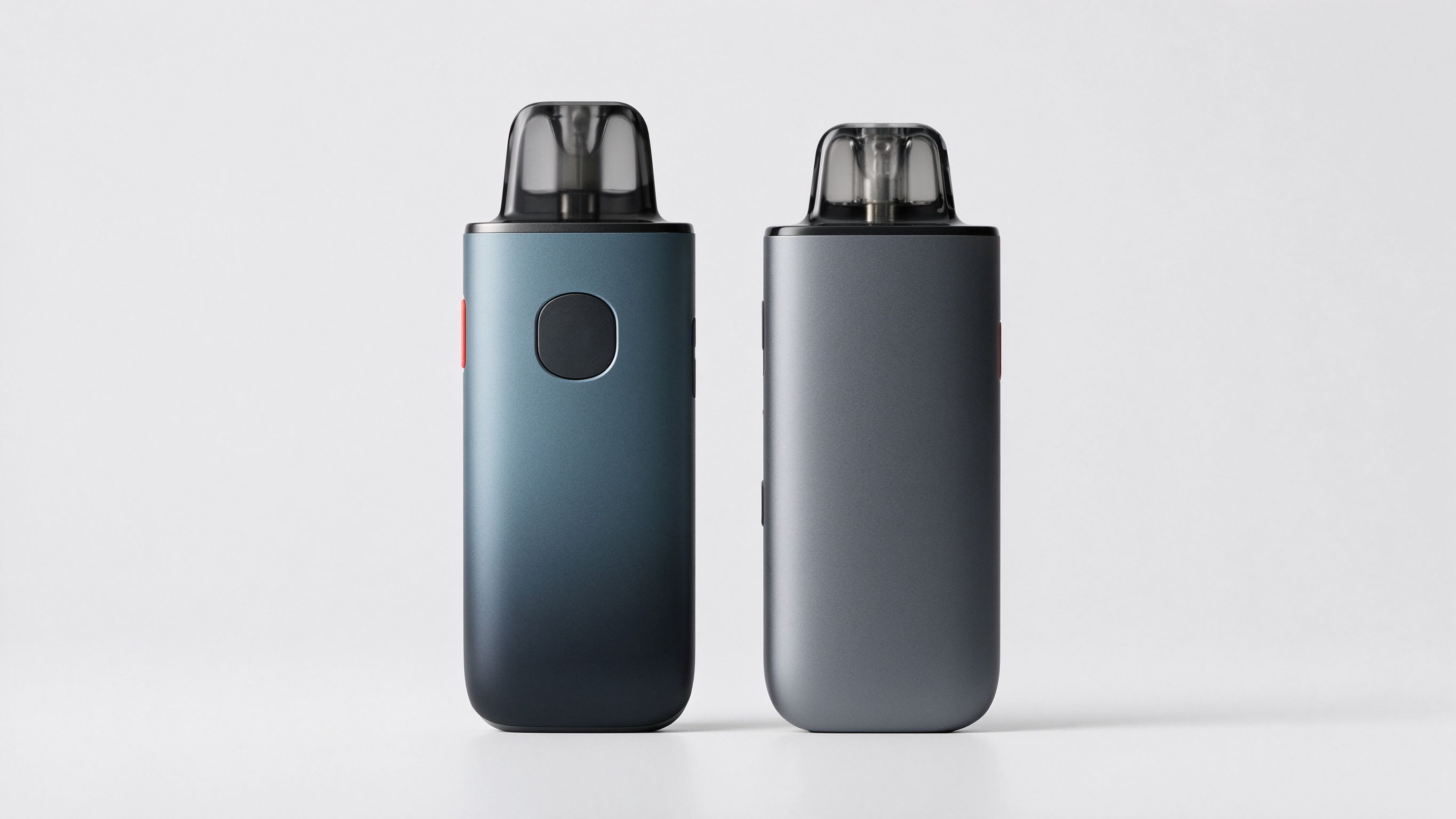
This is the high-capacity end of the disposable market: two devices rated 40,000 and 50,000 puffs, $0.96 apart, both rechargeable, both 5% nicotine. The $0.96 is noise. The 10,000-puff gap is not, and neither is the fact that only one of the two publishes the reservoir size behind its rating.
A specification comparison, not a test. We have not run either device on a bench; every "up to" number below is the manufacturer's rating, and the ones we can check against a second published figure are marked as such.
The numbers, side by side
| Vapekool Kolos 40K | Tomoro D20 50K | |
|---|---|---|
| Current price | $17.99 | $18.95 |
| Rated puffs (standard) | Up to 40,000 | Up to 50,000 |
| Rated puffs (boost) | Not published separately | Up to 30,000 |
| E-liquid capacity | Not published | 18 mL |
| Battery | Rechargeable, capacity not published | 850 mAh, rechargeable |
| Charging | USB-C | USB-C |
| Coil | Advanced mesh | Dual mesh, 1.0Ω and 0.19Ω |
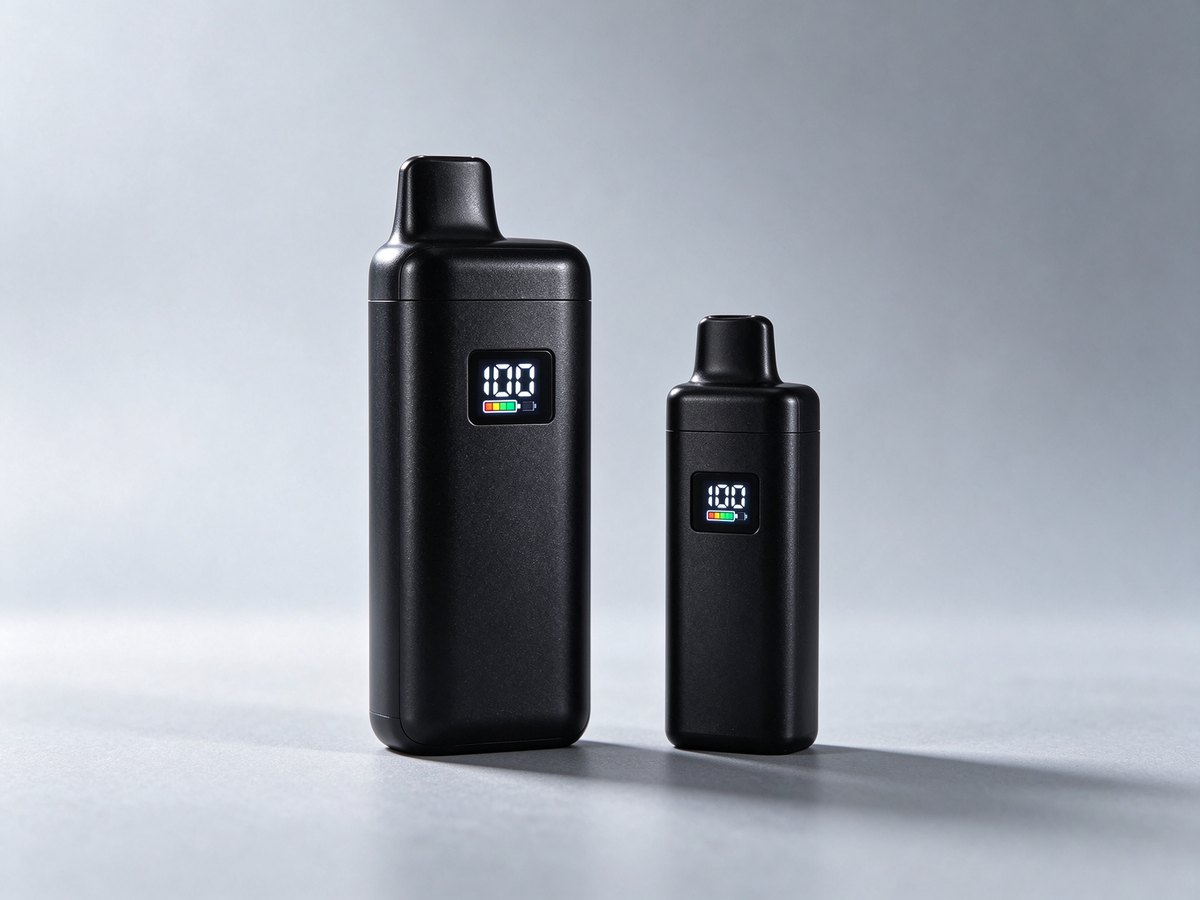
| Display | Battery and liquid level indicator | Not stated |
| Nicotine | 5% | 5% (50 mg) |
| Flavours listed | 20 published options | 5 shown at retail |
| Cost per 1,000 rated puffs | $0.45 | $0.38 |
The arithmetic, and why the headline is the wrong number
At list price, the D20 is cheaper per rated puff: $0.38 against $0.45. That is a 16% advantage — real, but small enough that a single missed top-up or a burnt coil tail erases it.
The 18 mL reservoir is what makes the D20's rating checkable. 50,000 puffs from 18 mL is about 0.36 mL per 1,000 puffs, which sits at the lean end of what disposables actually draw. Lean means the rating is optimistic rather than fabricated — and it also means that if you take long draws, that 50,000 will land closer to 35,000.
The Kolos publishes no reservoir figure. Its 40,000 puffs cannot be cross-checked at all. Treat it as a ceiling, not an expectation, and judge it on days of use rather than on the number.
Cost over a month
At 400 puffs a day:
- D20: roughly 125 rated days, about $0.15 per day.
- Kolos: roughly 100 rated days, about $0.18 per day.
With a realistic 30% haircut on both, that becomes about $0.22 and $0.26 per day. Four cents a day is $1.20 a month. Anyone choosing between these two on price alone is optimising a rounding error.
The number that does move: boost mode. The D20 drops from 50,000 to 30,000 rated puffs in Boost, which pushes its cost per 1,000 up to about $0.63 — worse than the Kolos at $0.45. If you vape at high output, the device that looked 16% cheaper becomes roughly 40% more expensive per puff. This is the single most common way a high-capacity rating misleads people.
Where the D20 is the better device
- Verifiable capacity. 18 mL is a second number. In a category where "50,000 puffs" is routinely printed on a 12 mL device, a checkable denominator is worth more than 10,000 claimed puffs.
- Battery headroom. 850 mAh is published. The Kolos does not state its cell size. A larger published cell is the difference between one charge a day and three.
- Two coil resistances. 1.0Ω and 0.19Ω gives the standard and boost modes something real behind them, rather than one coil doing double duty under two labels.
Where the Kolos is the better buy
- Flavour range. 20 published flavours against 5 listed for the D20. If flavour variety is the reason you buy disposables at all, this decides it.
- Lower upfront cost. $0.96 is trivial, but if you are testing whether a 40K device suits your usage at all, the smaller commitment is the sane one.
- One rating, one expectation. No boost mode halving the headline figure. What you read is what you plan around.
Which one to buy
- You want the longest verified run per dollar, and you vape in standard mode: the D20. Tomoro D20 50K — current price at SmokVera.
- You vape at high output, or you want 20 flavours to choose from: the Kolos. Boost mode removes the D20's price-per-puff advantage entirely. Vapekool Kolos 40K — current price at SmokVera.
- You have never used a device this large: buy the cheaper one first. A 40K device is roughly three months of moderate use; most people discover their real daily pace in week one, and it is usually lower than they assumed.
Before you order
Puff ratings are estimates. "Up to" is the manufacturer's number under short-draw conditions; plan for 60–80% of it in real use, and less if you vape in boost.
Stock and batches vary. The same model can differ between production runs, especially in coil quality. Two units behaving differently is batch variation, not automatically a counterfeit — the tells are in how to spot fake vapes.
Your state decides delivery. Both devices are legal to sell federally in some form; whether they can reach your address is a state question — flavour bans, excise tax and online-sales restrictions are listed in the 50-state table. Shipping and age-verification details are covered in US vape shipping rules.
Related: Do 50,000-puff devices cost less per day? · What 5,000 puffs really means · Disposable vapes: the complete guide · How these comparisons are built
More in the series: Disposable Vapes: the complete guide. Also worth reading: 18 mL, Two Labels, Tomoro Disposable Vapes, Vapekool Kolos 40K, Lost Mary vs Geek Bar, Geek Bar Flavors, Disposable vs Refillable Pod, Pods for a Pack-a-Day Smoker.