Summary: Puff counts are marketing. Convert them into days using your own smoking rate, and the numbers get much more useful.
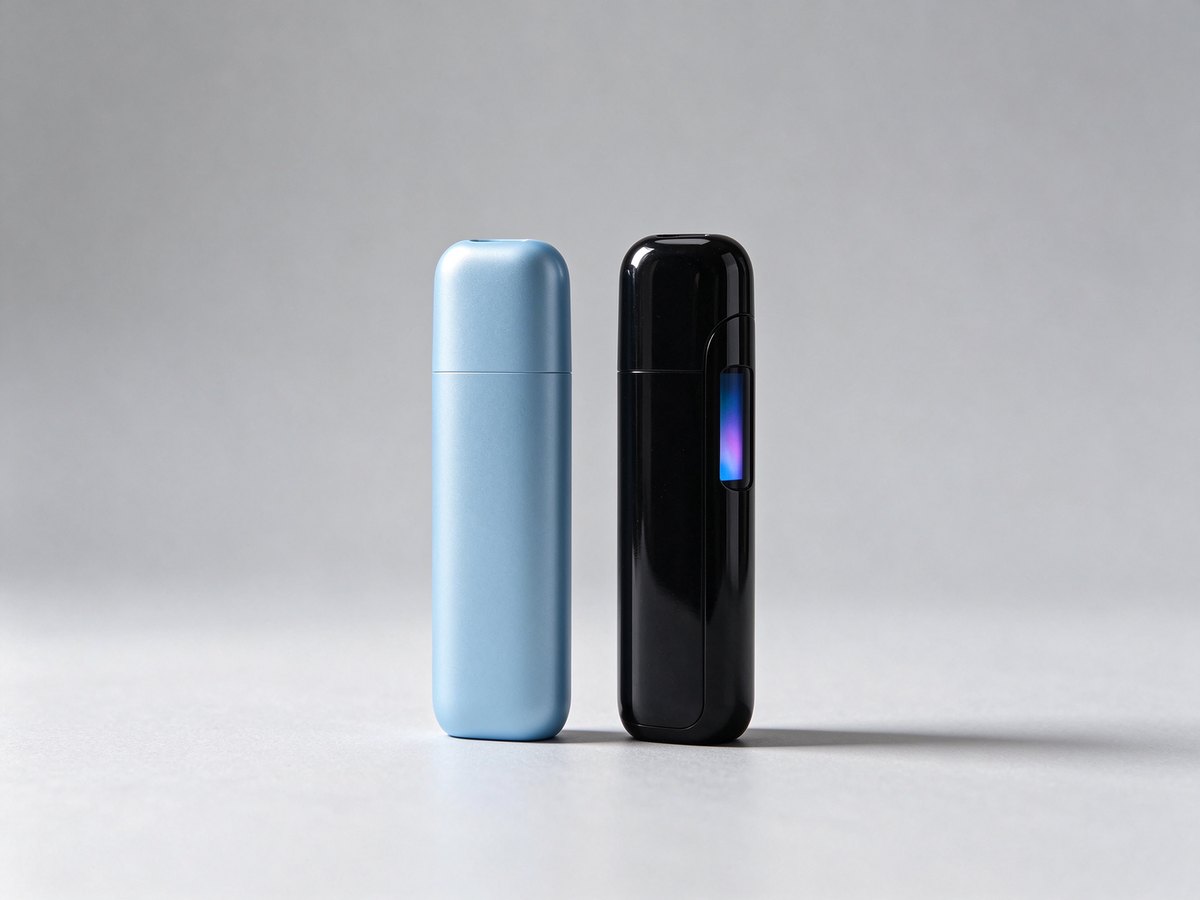
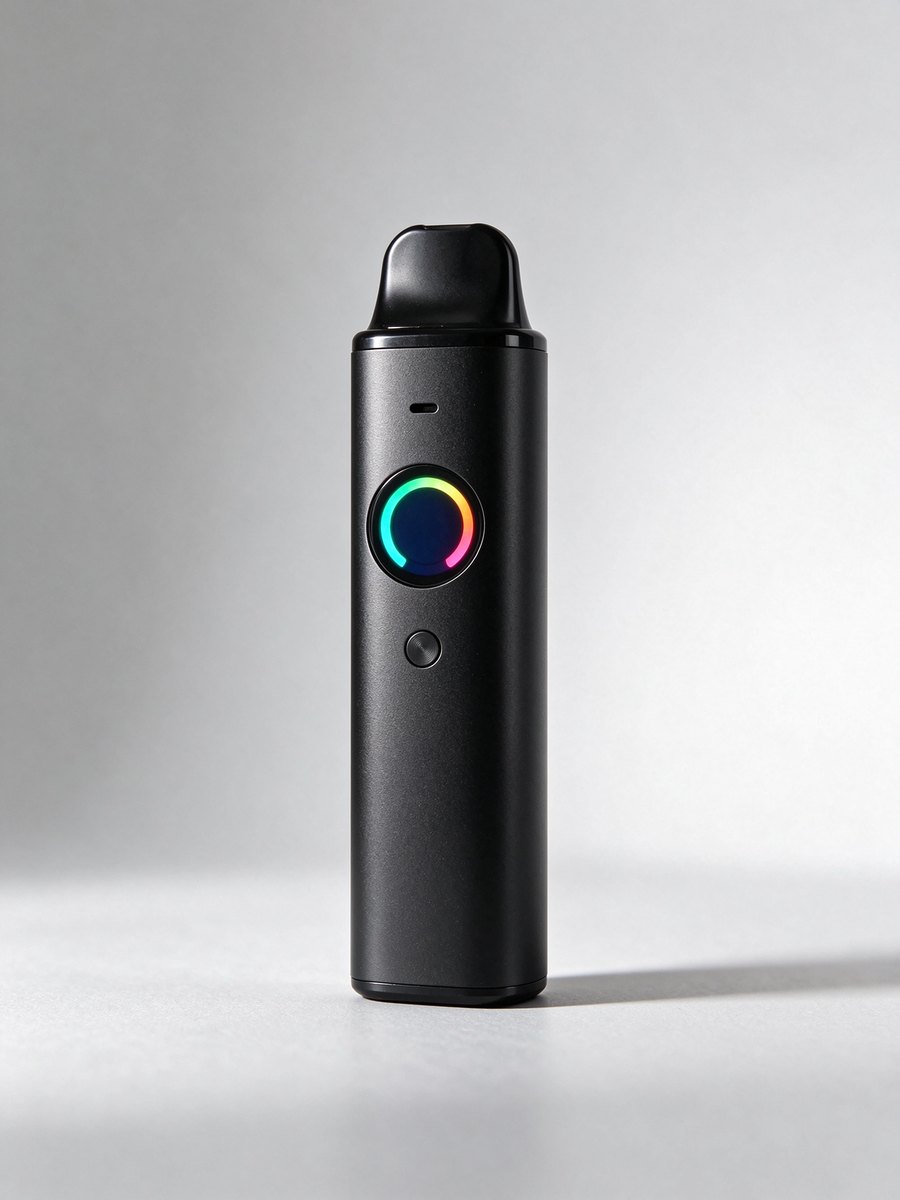
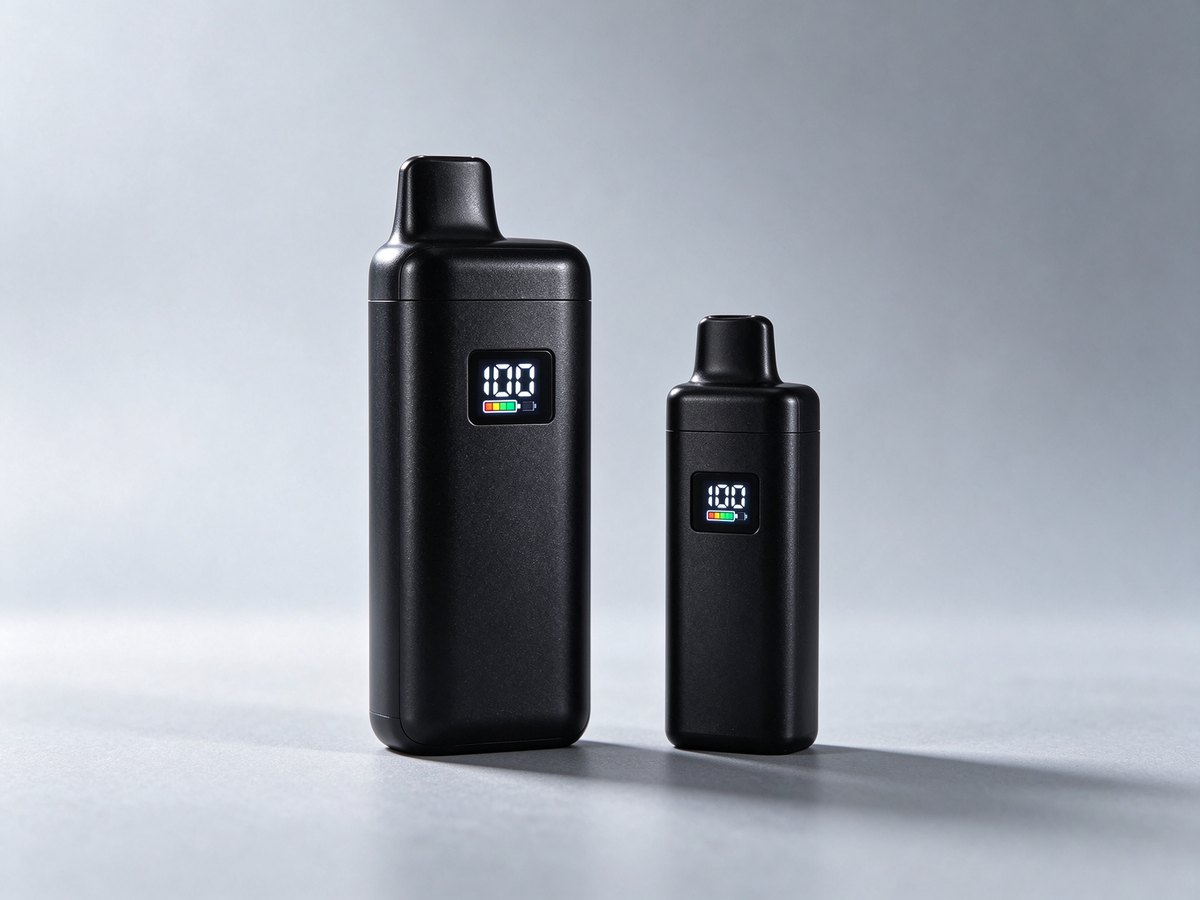
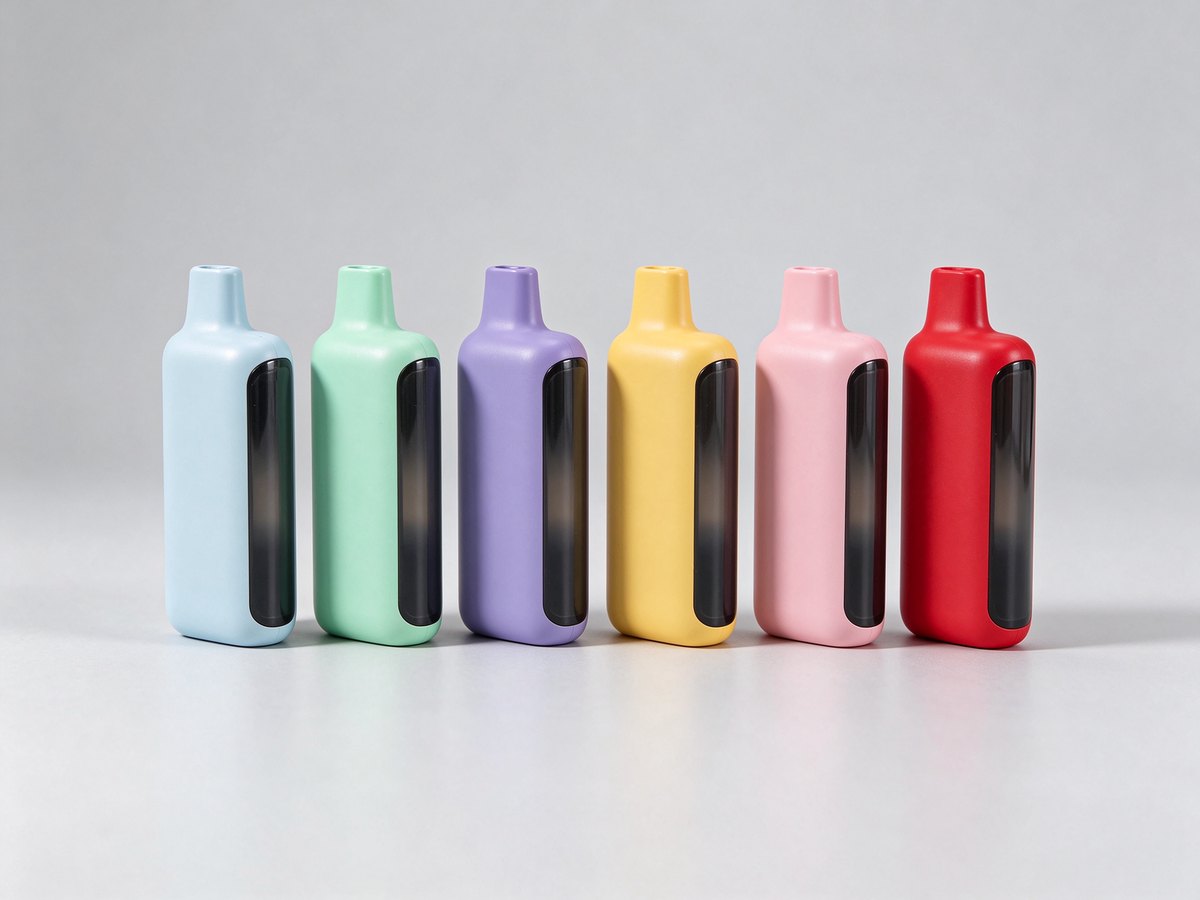
Disposable vapes are sold by puff count — 5,000, 10,000, sometimes 20,000 — and puff counts are close to meaningless without a conversion. A puff is a manufacturer's test draw, not your draw, and the gap between the two can be a factor of three. Converting to days answers the question people actually have: how much will this cost me per week?
The conversion that works
Measure your own habit first. A typical draw on a disposable lasts one to two seconds and delivers a modest amount of vapour. A former pack-a-day smoker usually takes 150 to 250 such draws per day, replacing roughly twenty cigarettes at ten to fifteen puffs each.
So a device rated at 5,000 puffs, used by a pack-a-day convert, is somewhere between 20 and 33 days. A 10,000-puff device is 40 to 66 days. Those are optimistic upper bounds: real-world numbers run shorter because long draws and high wattage burn liquid faster than a lab test does.
Why the rated number is optimistic
Three reasons. Test draws are short and machine-controlled; yours are longer and warmer. Rated capacity assumes the device works at full efficiency until the last puff, but most disposables weaken noticeably in the final fifth of their liquid. And flavour intensity drops before capacity does — people replace a device when the taste fades, not when it goes empty, which cuts effective life by weeks.
A realistic table
Half a pack a day (about 100 draws). A 5,000-puff device lasts roughly 30 to 40 days; a 10,000-puff device 60 to 80 days.
One pack a day (about 200 draws). 5,000 puffs: 18 to 25 days. 10,000 puffs: 35 to 50 days.
Two packs a day (about 350 draws). 5,000 puffs: 10 to 14 days. 10,000 puffs: 20 to 28 days. At this rate a small disposable is false economy — a refillable pod costs less per day.
What shortens life in practice
Chain-vaping, which overheats the coil; storing the device in a hot car, which thins the liquid and speeds wicking; using it below the recommended temperature; and buying a device whose battery dies before its liquid runs out, which is common in ultra-cheap units.
Cost per day is the number that matters
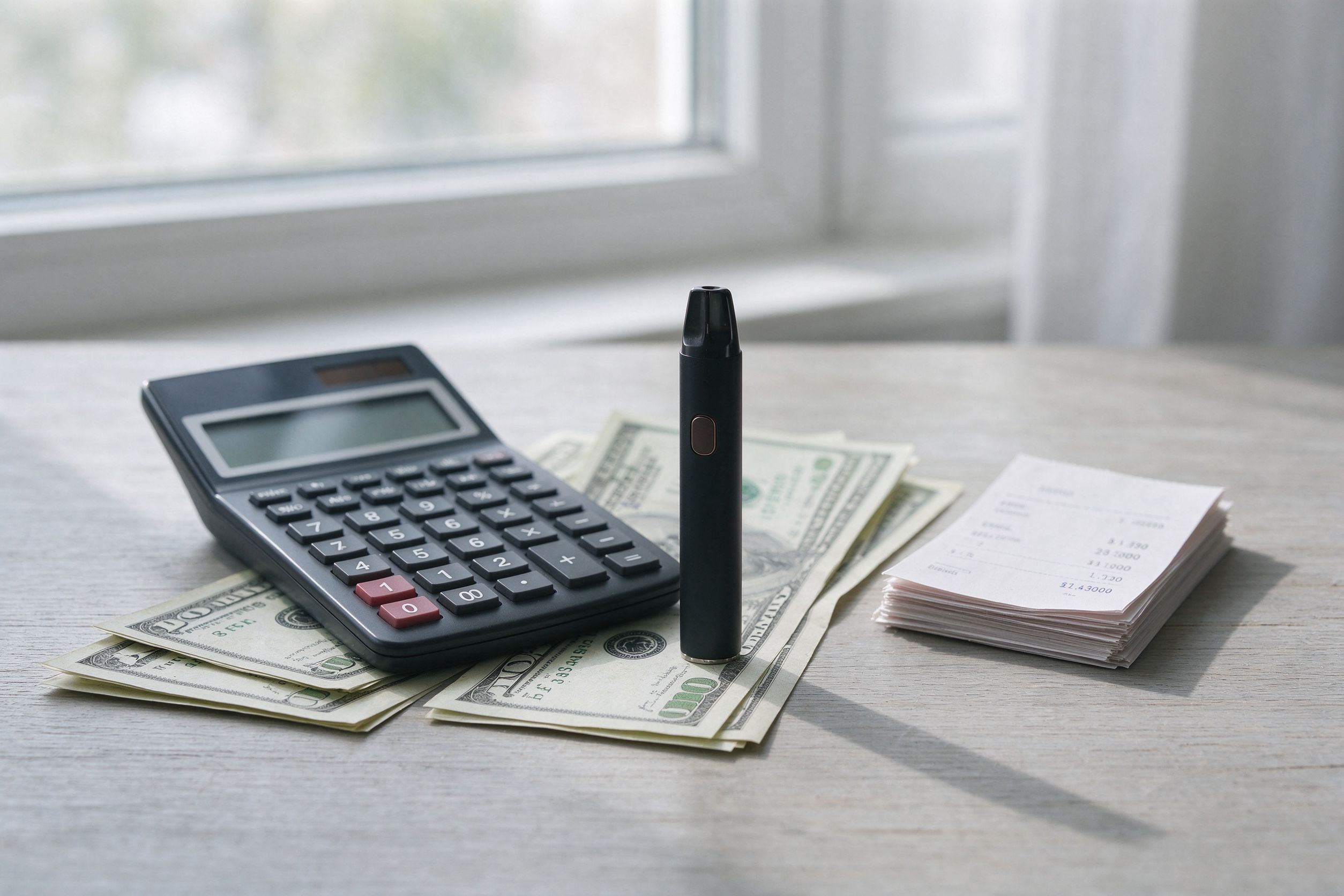
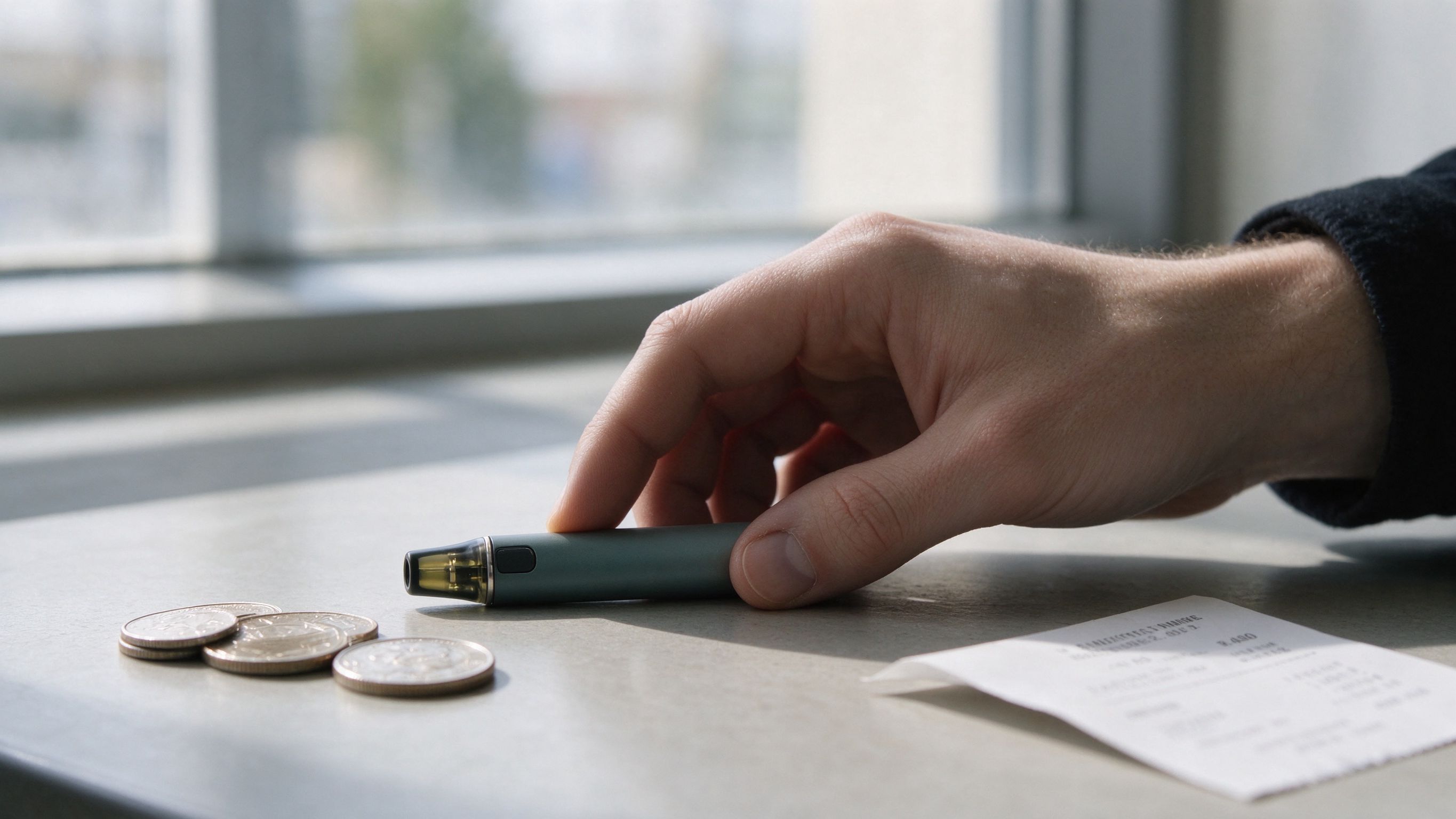
Divide the purchase price by the realistic days from the table above. A $20 device lasting 12 days costs $1.67 a day; the same $20 device lasting 25 days costs $0.80. Two devices that look identical on the shelf can differ by more than double in daily cost, and the bigger number on the box is not always the better buy — a larger tank sometimes means a weaker battery and a device that dies early.
Bottom line
Convert puffs to your own draw rate, then discount by 20 to 30 percent for real-world use. For a pack-a-day smoker, a 5,000-puff disposable is about three weeks, not the two months the packaging implies.
Two supporting reads: What 5,000 Puffs Really Means and Disposable vs Pod: The Real Cost.
For adults 21+. Nicotine is an addictive chemical. Disposables are not designed to be recharged or refilled.
More in the series: Disposable Vapes: the complete guide. Also worth reading: Pod vs Disposable vs Mod, Which Vape Fits a Two-Pack-a-Day Smoker, Vape Excise Taxes by State, Vaping on Planes, in Hotels and Around Smoke Detectors, Vape Battery Safety, Why Your Vape Hits Weak, How to Clean and Maintain a Pod System.