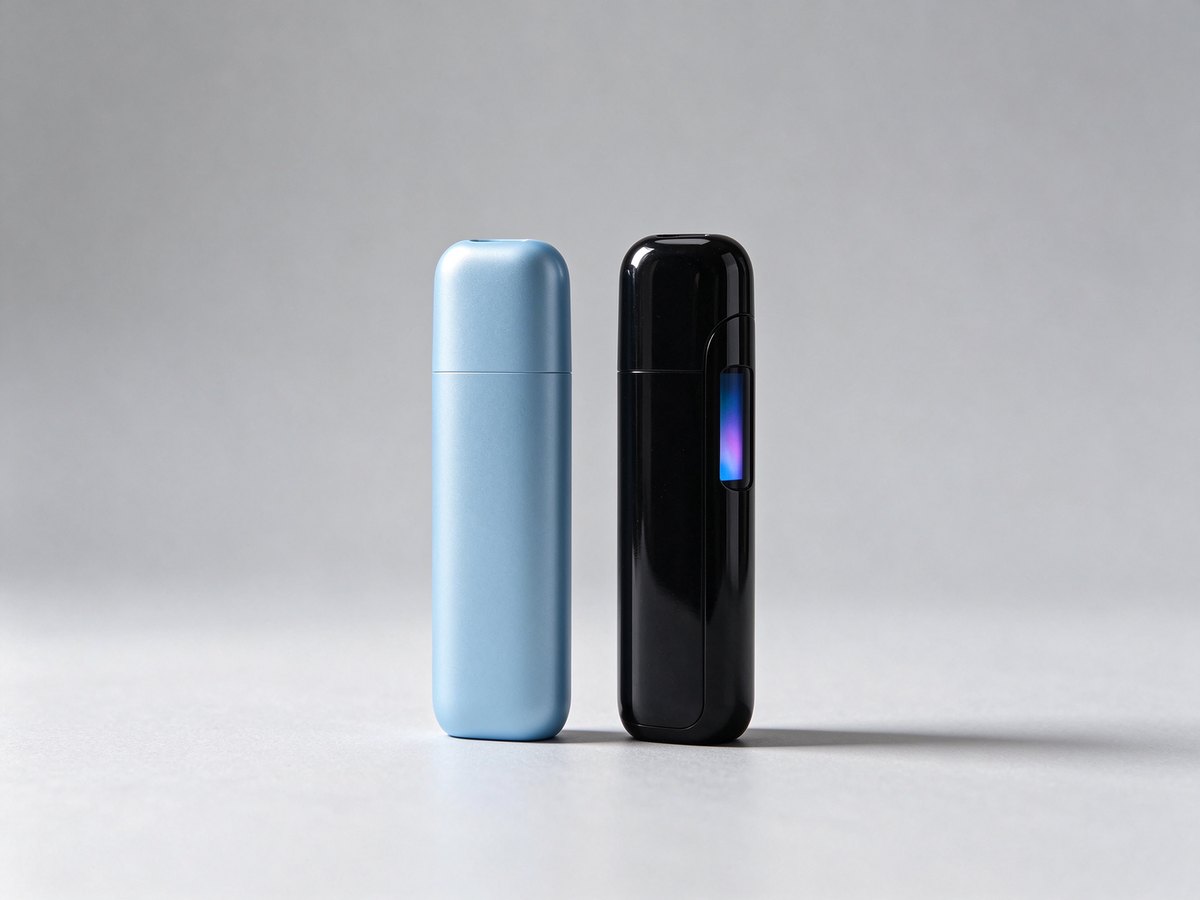
Summary: Why vapes leak, taste dry or lose battery life in cold weather, which symptoms are reversible, and the indoor test that separates weather.
Every November the same messages start arriving: a pod that hit fine in October now tastes dry, a disposable that never leaked is suddenly wet, and a battery that used to last a full day dies by mid-afternoon. None of that is usually a defective product. Cold air changes viscosity, condensation, battery chemistry and seal behaviour all at once, and a device tuned for a 24°C room behaves differently at 2°C.
This guide covers what actually changes in cold weather, which symptoms are reversible, and which ones mean the hardware is finished. If you are new to device types entirely, start with our vaping guides hub before troubleshooting hardware you have never used properly.
What cold actually does to a vape
1. The liquid gets thicker
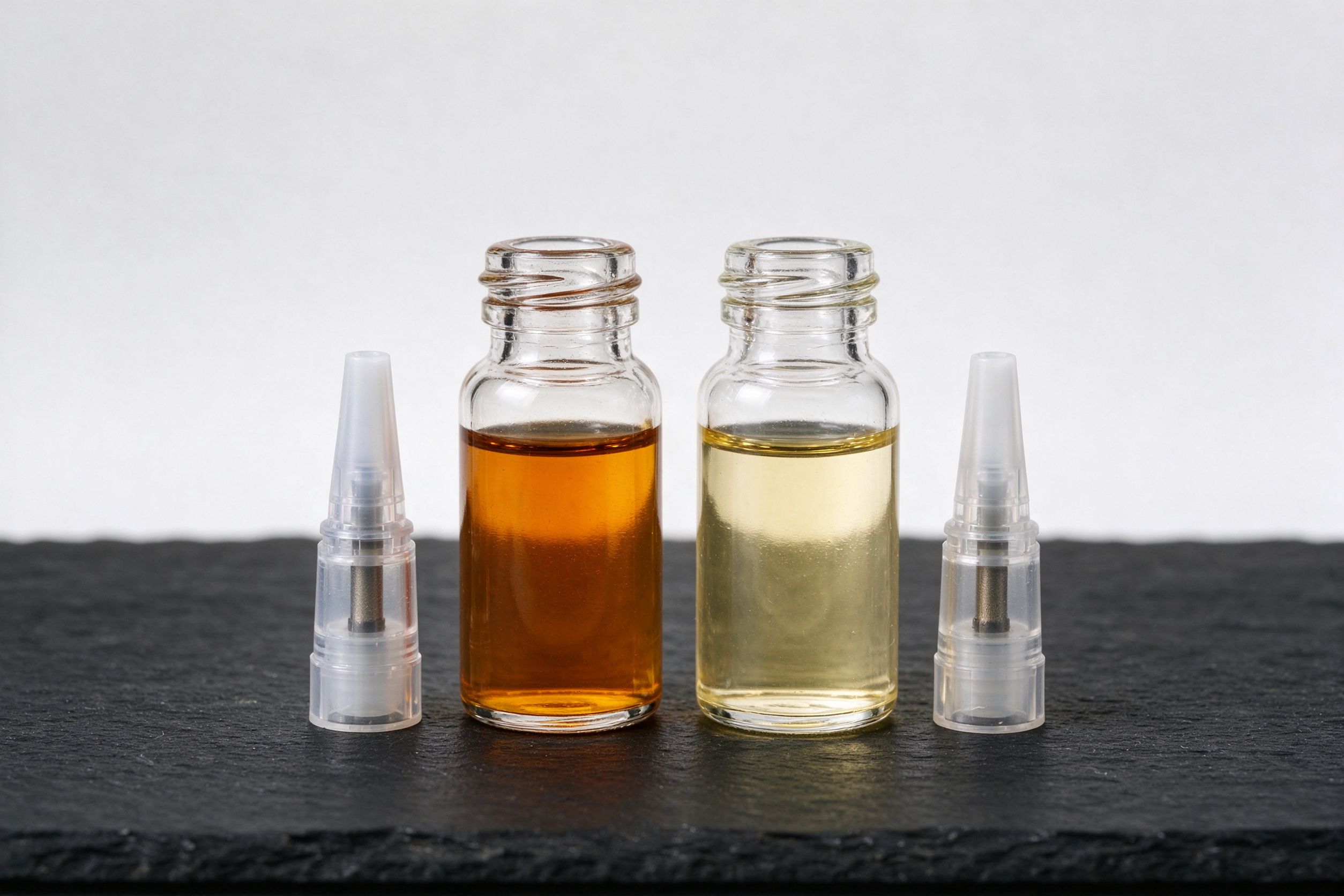
E-liquid viscosity is dominated by vegetable glycerin (VG), which becomes noticeably thicker as temperature drops. A 70/30 VG-heavy liquid at 2°C can behave like a much heavier mix. Thicker liquid wicks more slowly into the coil, so the coil runs dry between puffs and you get a dry, slightly burnt note that disappears again indoors. This is the single most common "my vape broke in winter" report, and it is not a fault.
If you want the underlying mechanics, our explainer on PG vs VG ratios covers how the two base liquids differ in viscosity and throat hit.
2. Condensation forms where you do not want it
Warm vapour meeting cold plastic condenses immediately. That is why mouthpieces, pod contacts and airflow slots get damp outdoors even when the pod itself is sealed. Left alone, that moisture collects in the airflow path and turns into the gurgle people describe as "flooding". A quick wipe and a short dry pull usually clears it.
If the gurgle persists indoors at room temperature, the cause is usually a fill or seal problem rather than weather — the checklist in why your vape leaks or gurgles walks through that in order.
3. Battery capacity drops, and voltage sags harder
Lithium cells deliver less usable capacity when cold. A 500 mAh pod battery that gives you 300 puffs at room temperature may give 220 outdoors at freezing. Regulated devices also hit a low-voltage cutoff earlier because internal resistance rises, so the mod reports "low battery" while the cell still holds charge. Warm the device in an inside pocket and the same charge reappears. Do not charge a cold device straight from outdoors: bring it to room temperature first, because charging a cold cell stresses it.
Battery behaviour, charging limits and when a cell is genuinely finished are covered in vape battery safety.
4. Seals and O-rings change shape
Elastomer seals shrink slightly in cold and expand again indoors. A pod that seals perfectly in a warm room can weep a few drops in a cold car and stop leaking the moment it warms up. That is normal tolerance behaviour, not a manufacturing defect. Persistent leaking at room temperature is a different problem.
What to change, in order
- Carry the device on your body, not in a bag. An inside pocket keeps the pod near body temperature and solves most dry-hit and weak-battery complaints within minutes.
- Warm the liquid before the first puff. Ten minutes in a pocket is enough. Do not use a heater vent, a car heater or hot water — rapid heating is what damages seals and cells.
- Slow the draw, do not shorten it. Short hard pulls on cold thick liquid are exactly the condition that burns cotton. Longer, gentler draws give the coil time to re-wick.
- Keep spare pods indoors. A pod stored in a cold car overnight can take a day to behave normally again.
- Never leave a device in a freezing car for hours. Beyond the liquid, deep cold plus condensation on the board is the scenario that produces real failures rather than temporary ones.
- Expect different flavour outdoors. Cold air suppresses aroma perception, so a liquid that tastes full indoors can taste thin outside even when the device is working properly.
How to tell weather from a real fault
Use one test: bring the device indoors, let it sit at room temperature for 30 minutes, then vape. If the problem disappears, it was temperature. If the dry hit, leak, weak draw or gurgle survives 30 minutes indoors, treat it as hardware and work through the fault checklist for that symptom instead of blaming the season.
One genuine winter failure deserves a mention: a device that was fine, then sat in a cold car, then was charged immediately on a fast charger while still cold. That combination can leave a cell permanently degraded. The symptom is a battery that now drains abnormally fast in all conditions, not just outdoors.
A short winter routine that works
Keep one pod charged indoors overnight, carry a second in a pocket, wipe the mouthpiece when you come inside, and store liquid at room temperature rather than in a garage or car. That is the entire routine. Most winter complaints come from devices stored in vehicles, not from devices used outdoors for a few minutes at a time.
More in the series: Disposable Vapes: the complete guide. Also worth reading: How We Review Vapes, Same E-Liquid, Two Devices, Vape Flavour Bans 2026, Cheap Pod vs Premium Pod, Ten-Minute Arrival Check, Geek Bar, Buying Vapes Online in 2026.
For adults 21+. Nicotine is an addictive chemical. This is product information, not medical advice. Device behaviour varies by model; check the manufacturer's storage guidance for your specific hardware.