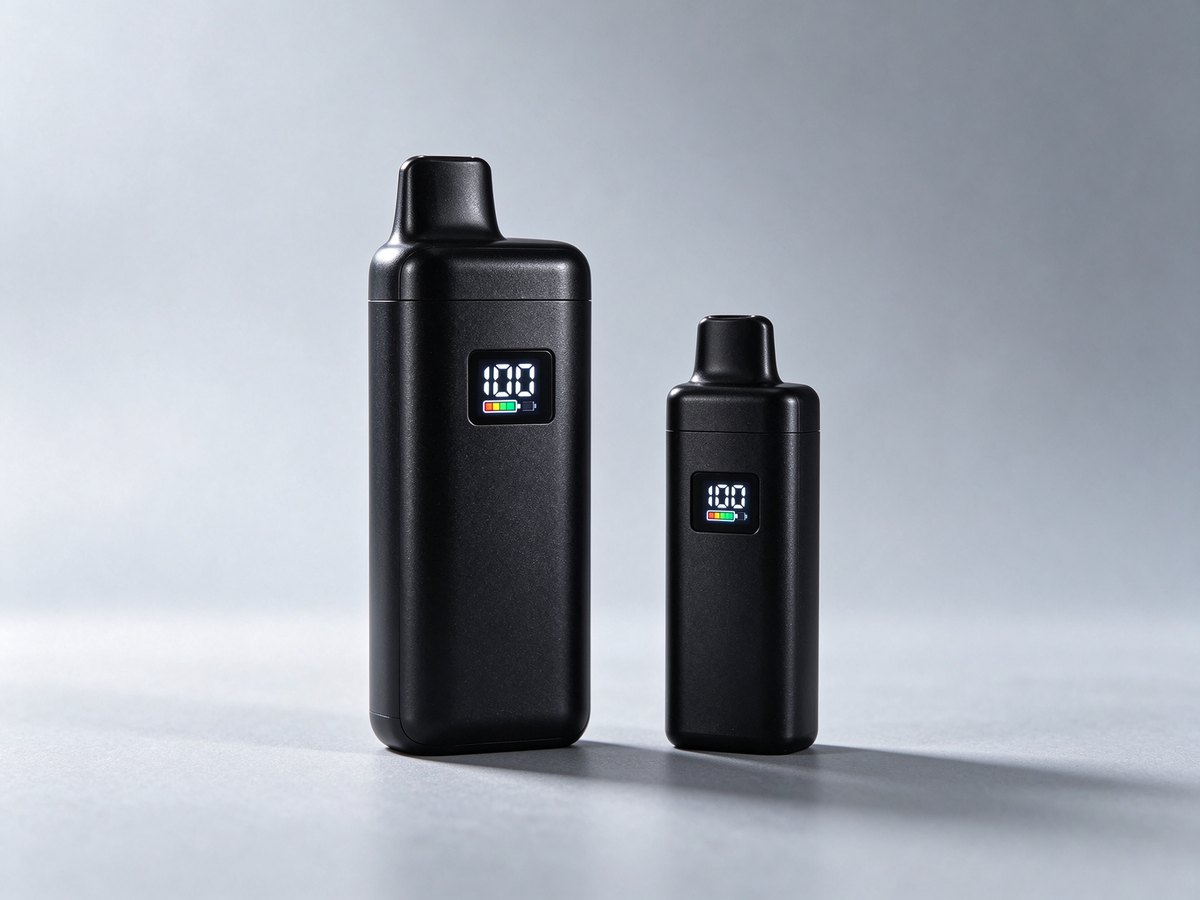
Summary: Bigger cartridges look like better value. Run dollars per millilitre, and what a large cartridge does to the coil, before assuming it.
The current high-capacity tier — devices advertised between 40,000 and 70,000 puffs — is sold on the assumption that bigger means better value. Sometimes it does. The arithmetic that decides it has nothing to do with the number on the front of the box.
The only equation that matters
Cost per day = price ÷ (liquid volume ÷ your daily consumption in mL).
Two consequences follow immediately. First, a cheaper device with a smaller cartridge can win, if the per-millilitre price is lower and you finish both cartridges. Second, a device you do not finish is the worst value of all, because the unused liquid is paid for and thrown away.
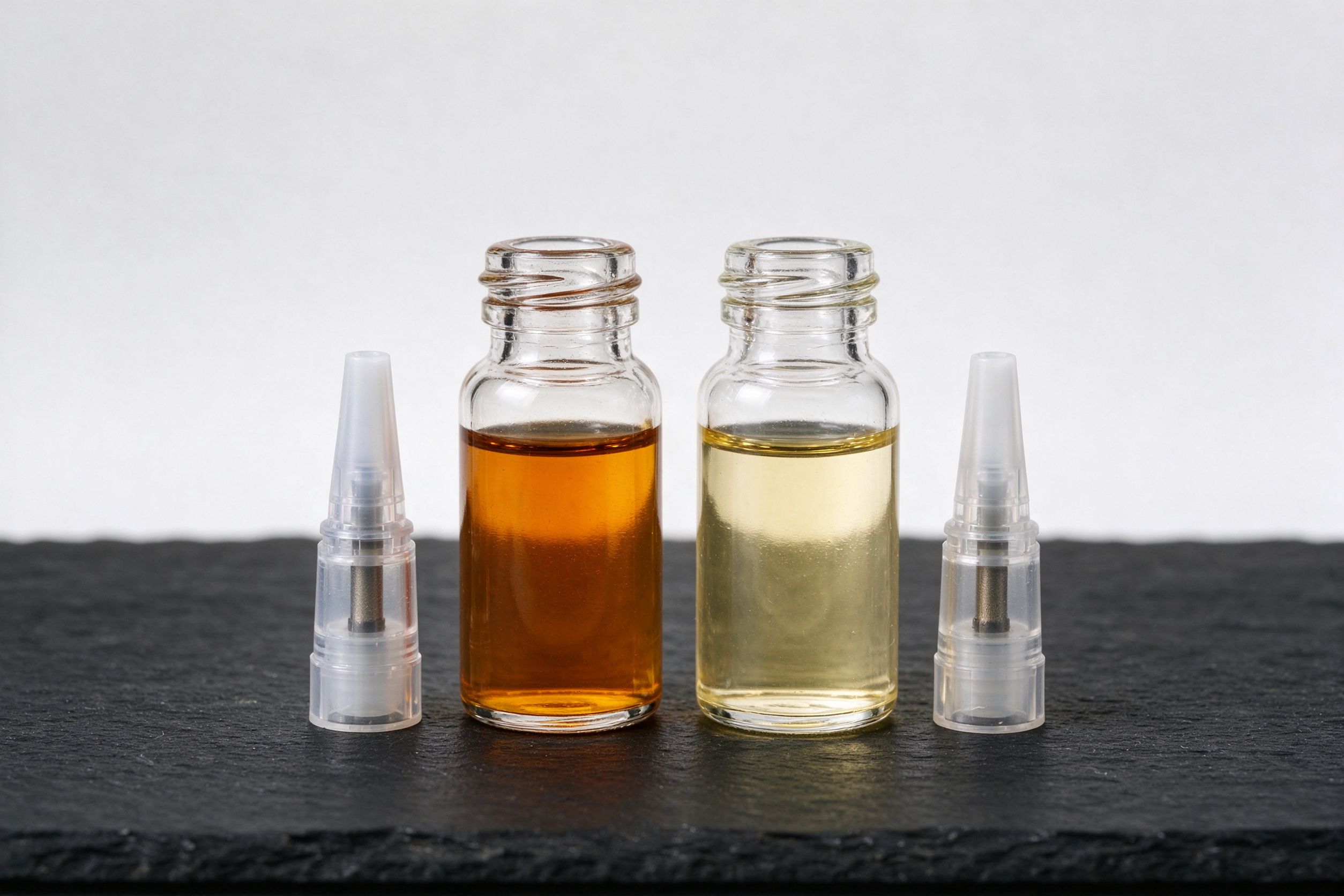
Working example with current retail levels: a standard device at $19.99 with roughly 16 mL is about $1.25 per mL. A larger device at a higher price with 18 mL works out similar or slightly better per mL. The puff claims differ by a factor of three; the per-millilitre price differs by cents. That gap between marketing and economics is the whole story.
What large cartridges do to the rest of the device
The coil has to last.
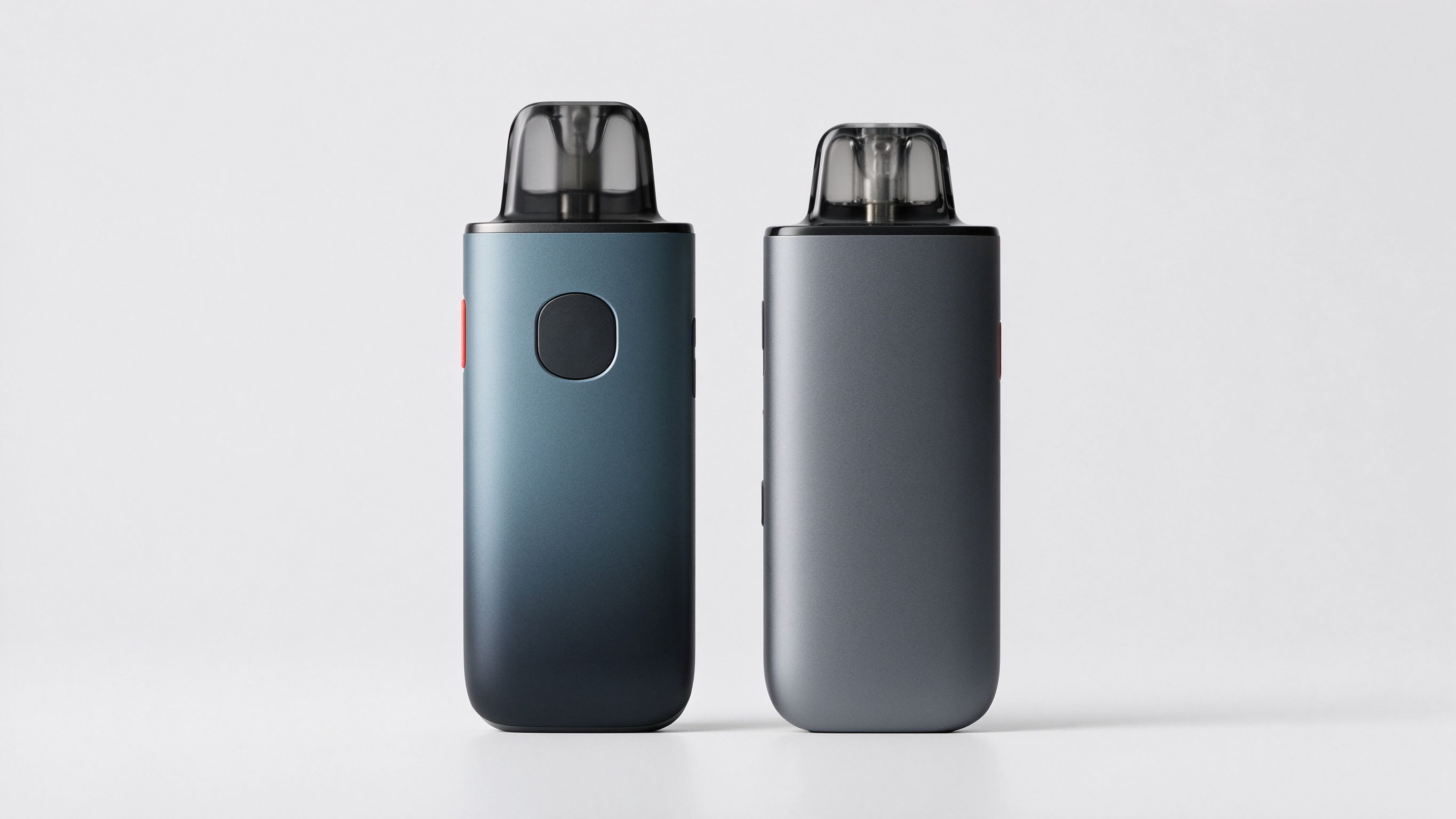
A cartridge that takes two weeks means the mesh has to hold flavour for two weeks. It usually does not. The last quarter tastes flat or slightly burnt on almost every device, and on a large cartridge that last quarter is a larger absolute volume. Dual mesh helps; it does not eliminate the problem.The cell has to keep up.
Output sags as charge falls. Large-cartridge devices with modest cells weaken noticeably before the liquid is gone, which is why a screen showing liquid remaining can be misleading — the constraint is voltage, not volume.The screen has to be honest.
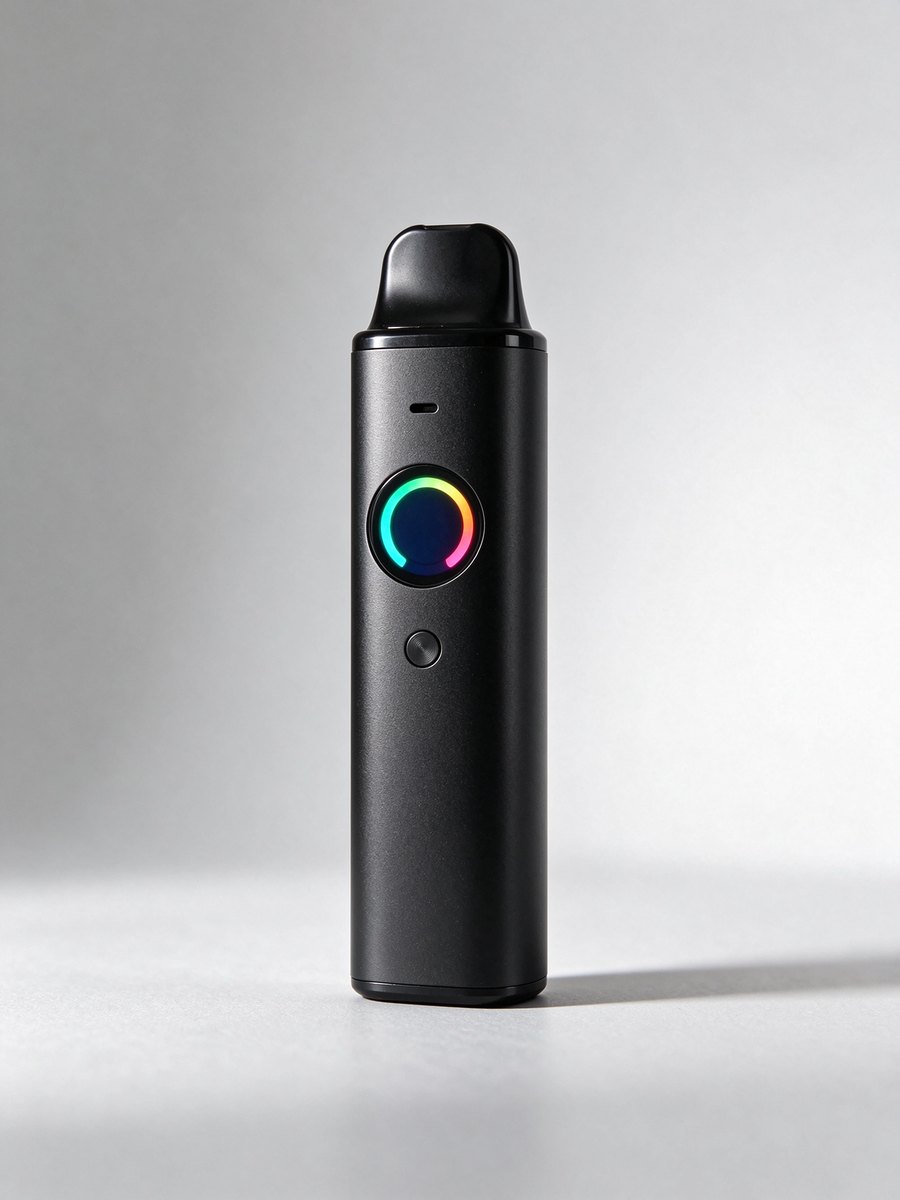
Liquid indicators are crude estimates. On high-capacity devices the reported last 10% often behaves like 20%, which changes how people plan. Treat the indicator as a rough band, not a gauge.Who the high-capacity tier suits
Heavy users. If you currently finish a standard device in two or three days, a larger cartridge is a genuine improvement: you stop carrying spares and stop making frequent purchases, and you finish the cartridge while the coil is still good.
Not light users.
If a standard device lasts you a week or more, a large cartridge is a liability. You will carry it for a month, the coil will degrade before you finish it, and you will have paid more for the privilege. This is the single most common bad purchase in the category.How to compare two devices honestly
Three inputs, in order: liquid volume in millilitres, cell capacity in mAh, and coil format. Then, only if those are close, price. Ignore the puff number except as a relative indicator between devices measured the same way — the methodology and the realistic discount factor are in how puff counts are calculated.
For the current high-capacity field, the difference between the leading options is mostly cartridge volume and screen behaviour rather than hardware philosophy. Geek Bar's two sizes are compared in Pulse versus Pulse X, and the broader question of which format to buy into is in the three-year cost comparison.
The decision, in one line
Buy the largest cartridge you will actually finish before the coil degrades. For most daily users that is either the standard size or one step up, not the biggest device on the shelf.
More in the series: Disposable Vapes: the complete guide. Also worth reading: Cold Weather Vaping, How We Review Vapes, Same E-Liquid, Two Devices, Vape Flavour Bans 2026, Cheap Pod vs Premium Pod, Ten-Minute Arrival Check, Geek Bar.
Also compared: Tomoro D20 vs Vapekool Kolos 40K, side by side — prices, rated puffs and cost per month at current retail.
For adults 21+. Nicotine is an addictive chemical. Specifications change between revisions; verify the pack. Product information, not medical advice.