Summary: A mod is a battery and a board in a box. Where the money goes, why wattage is not the point, and the one mod a beginner should skip.
A "mod" began as a slang term for a modified flashlight that could drive a bigger coil. The word stuck, and it now means any device with a separate cell, a control board, and a tank or rebuildable atomiser on top. The box shape is simply the most common housing.
What you are actually paying for
Four things, in descending order of what changes your experience.
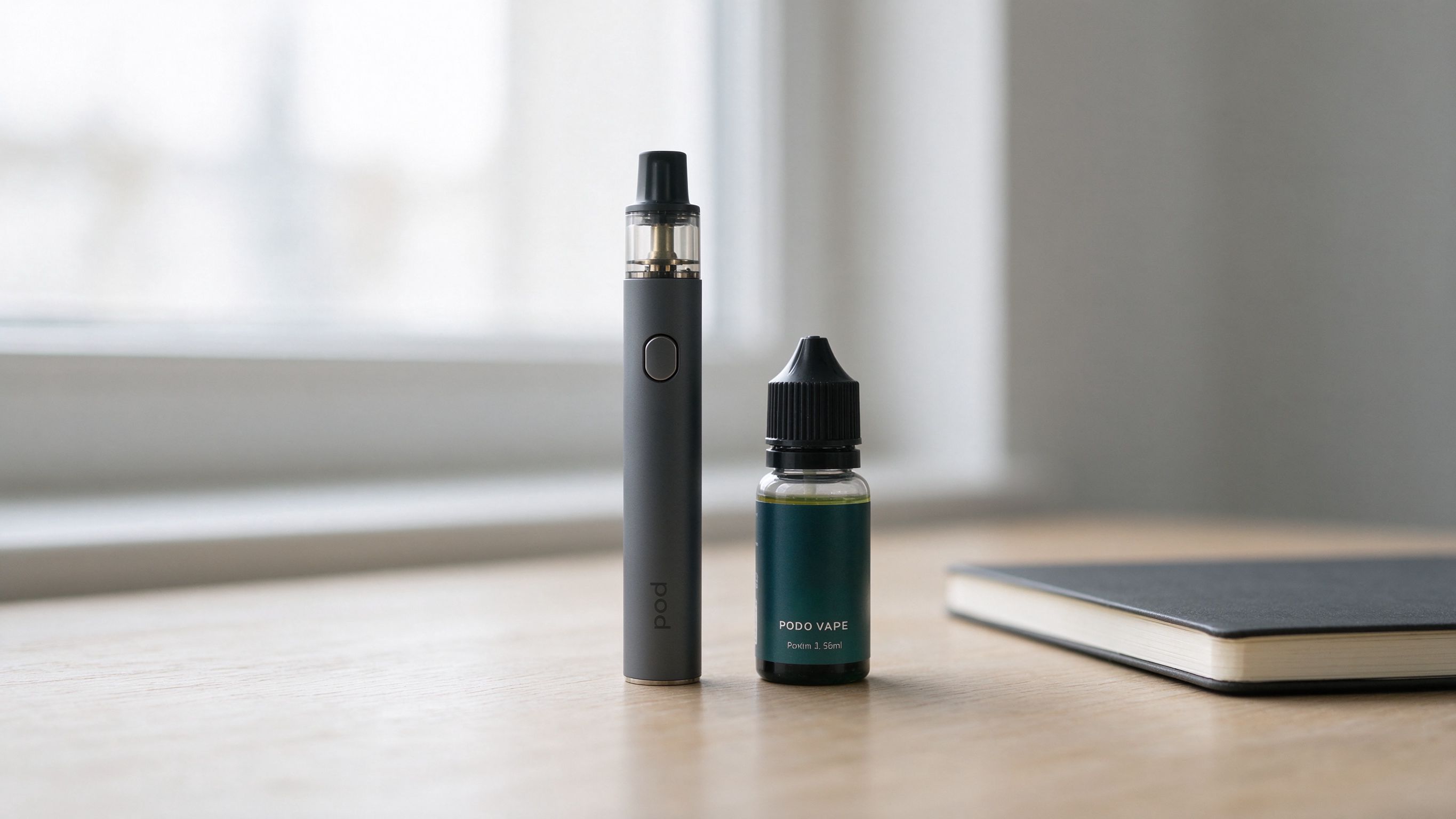
1. The tank and coil. This decides flavour and draw quality far more than the box does. A $30 tank on a $40 box can outperform an expensive box with a poor tank. If you are upgrading from a pen, the tank is where the improvement comes from.
2. The board. Regulated mods convert cell voltage to whatever wattage you set, with protection against short circuits, overheating and over-discharge. That protection is the main reason regulated devices exist, and it is why they are the only sensible choice for someone who is not deeply familiar with battery safety.
3. The cell. One or two 18650 or 21700 cells. Capacity buys runtime, discharge rating buys headroom. The distinction is in vape batteries explained.
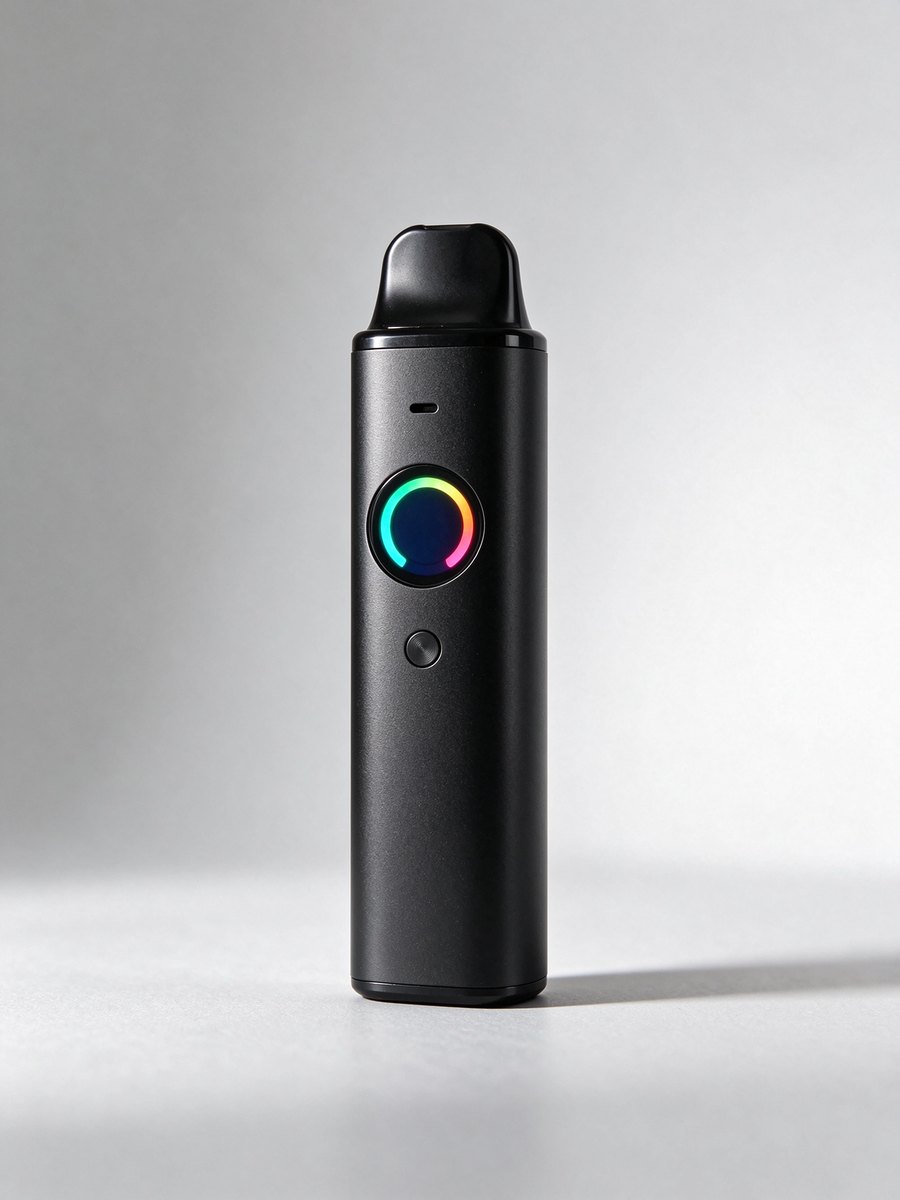
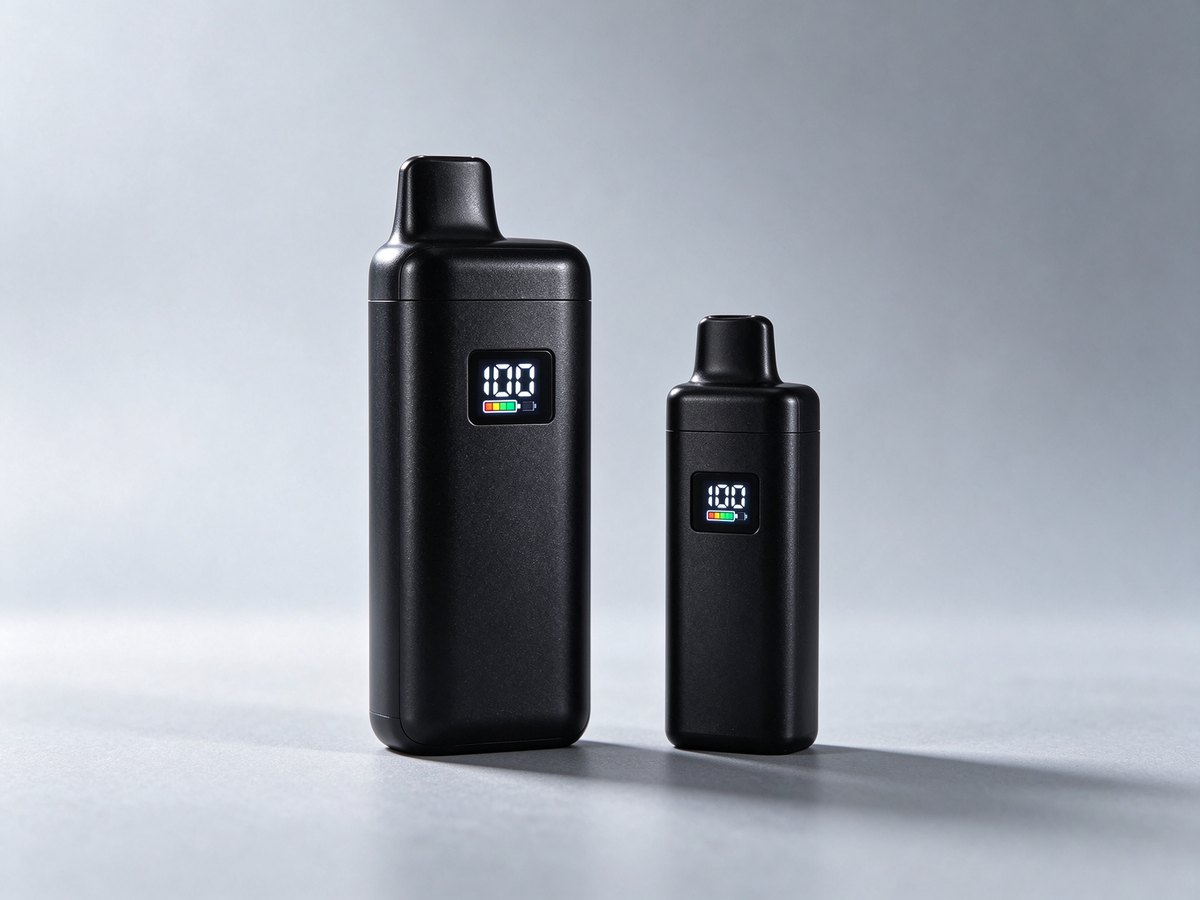
4. The housing and screen. Ergonomics, looks, and a colour display. Real, but the part of the purchase least related to how it vapes.
Wattage is not the point
Marketing pushes maximum wattage numbers. In practice, most people settle between 15 and 60 watts depending on the coil, and never use the ceiling. A 200-watt mod used at 40 watts is not wasteful — it is headroom and battery life. But buying a high-wattage device does not produce a better vape; matching the coil to the wattage does.
Regulated vs mechanical
Regulated: a board sits between the cell and the coil. You set wattage; the board holds it; if something goes wrong the board cuts power. All the safety discussion in this article applies to this category.
Mechanical (mech): no board, no protection. Output is whatever the cell's voltage and the coil's resistance produce, and the only safety mechanism is the user's understanding of Ohm's law and battery ratings. A short circuit or an over-discharged cell has no electronic backstop.
If you are new: do not buy a mechanical mod.
Not because they are bad — experienced users legitimately prefer them — but because the failure mode is a venting cell in your hand, and the margin for error is zero. The price of the knowledge required is measured in weeks of study, not dollars.The running cost changes shape
Mods shift spending from hardware to consumables: coil heads, cotton, wire, and liquid. A heavy user can spend more on liquid in a month than the device cost. This is why the three-year comparison (pod vs disposable vs mod) is unintuitive — the cheapest device is rarely the cheapest habit, and the most expensive device is rarely the most expensive habit either.
When a mod makes sense
When you already know your preferred nicotine concentration and draw style, when you want to stop replacing whole devices, and when you are willing to learn coil and wattage matching. For anyone still establishing what they like, a pen or a pod is a cheaper way to find out — vape pen versus disposable covers that decision.
What a mod does not solve: nicotine strength. A bigger device with the wrong concentration simply delivers more of the wrong thing, which is why strength comes first (nicotine strength explained).
More in the series: Disposable Vapes: the complete guide. Also worth reading: 50,000-Puff Devices, Cold Weather Vaping, How We Review Vapes, Same E-Liquid, Two Devices, Vape Flavour Bans 2026, Cheap Pod vs Premium Pod, Ten-Minute Arrival Check.
For adults 21+. Nicotine is an addictive chemical. Specifications change between revisions; verify the pack. Product information, not medical advice.